


Antique Architectural Cabinet
An antique architectural cabinet brings structural rhythm and classical order into a room through miniature facades, columns, and pediments.
Antique Architectural Cabinet
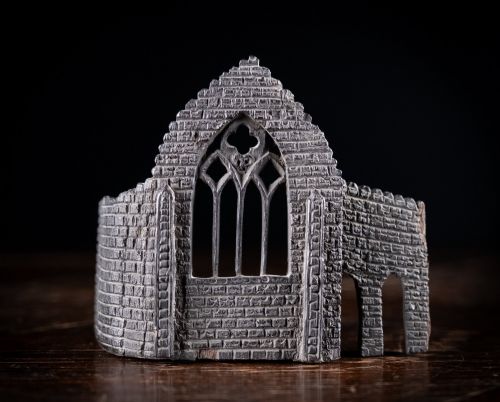
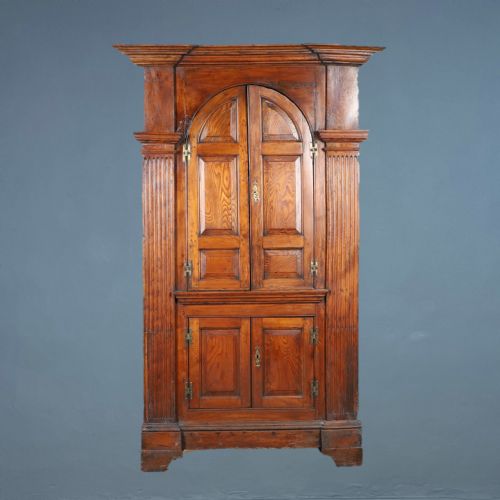
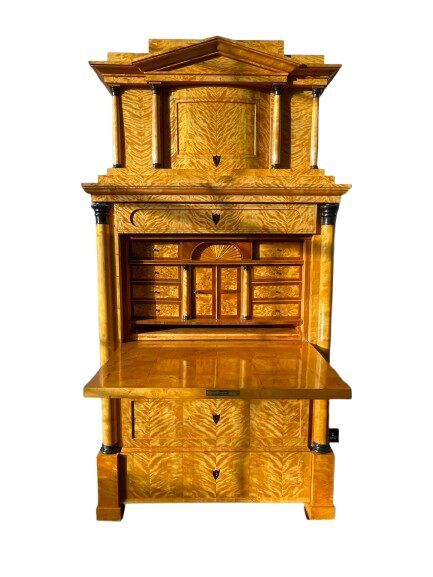
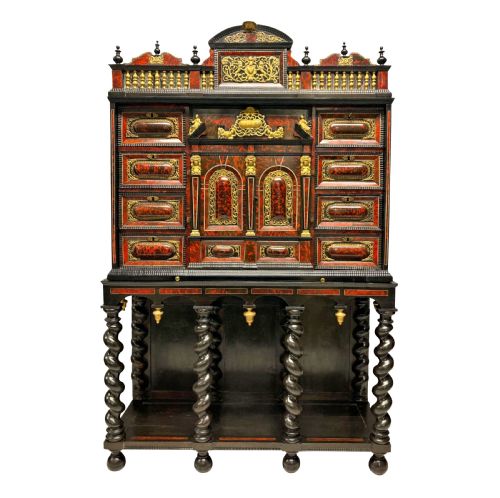
An antique architectural cabinet mimics the grand facades of buildings, utilising miniature columns, pediments, and panelled doors to organise storage.
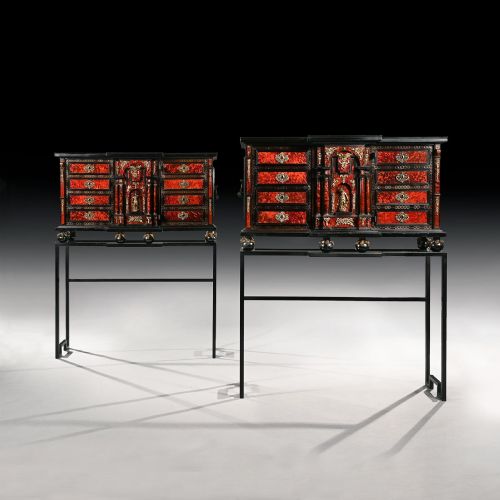
The selection ranges from seventeenth-century tabletop examples in ebony and tortoiseshell to eighteenth-century standing pieces in walnut, mahogany, and oak.
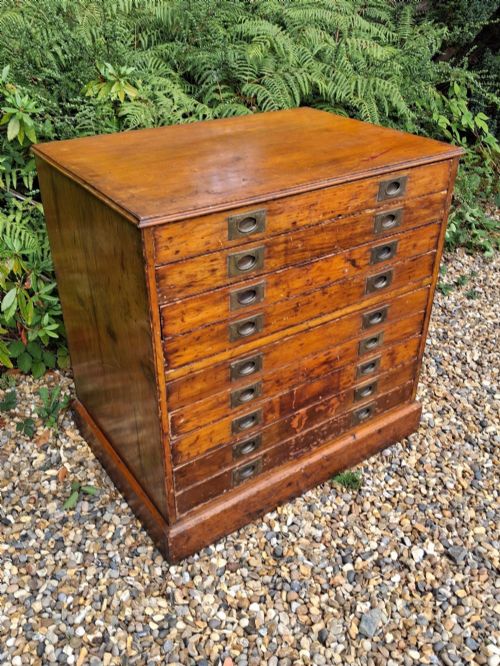
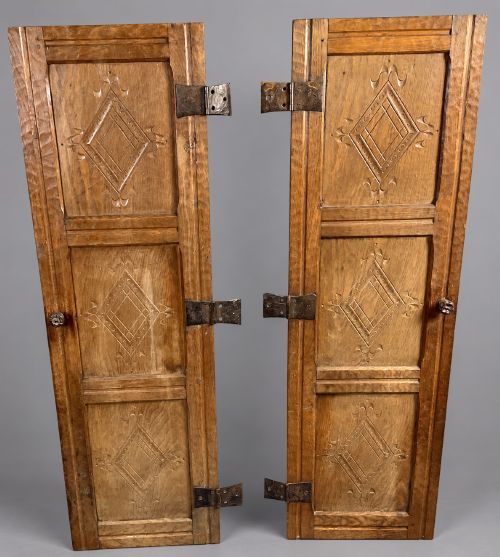
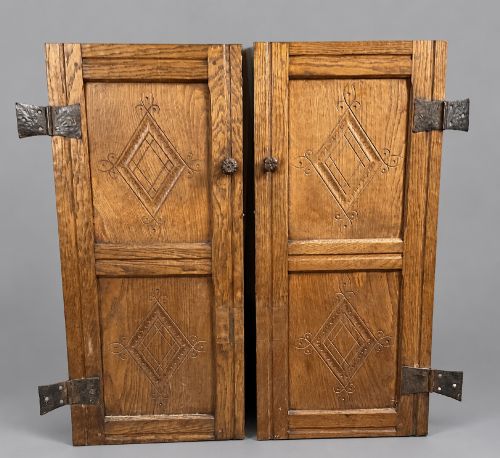
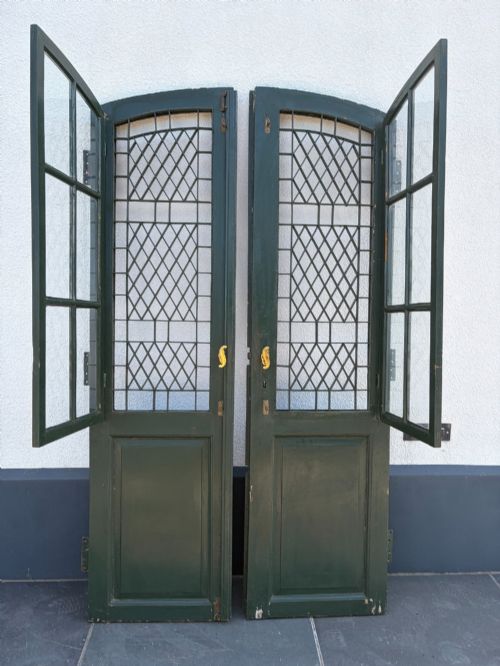
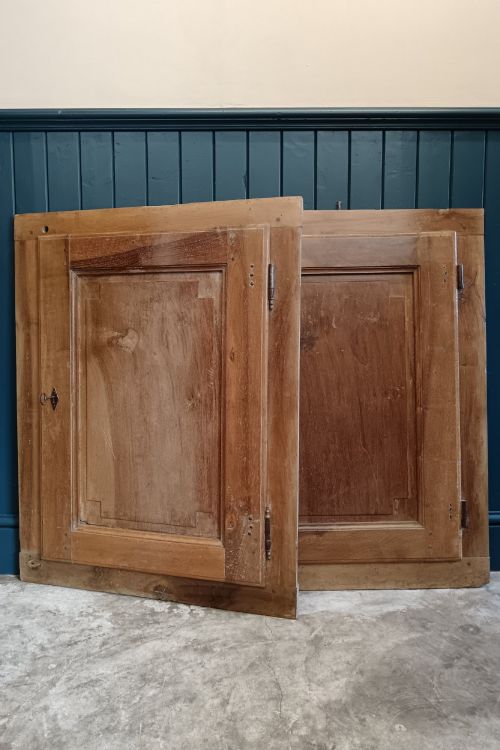
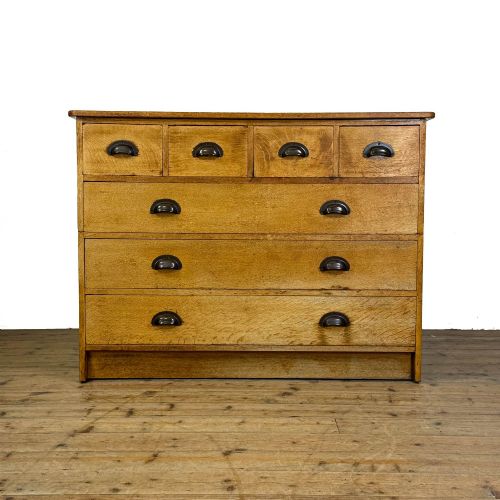
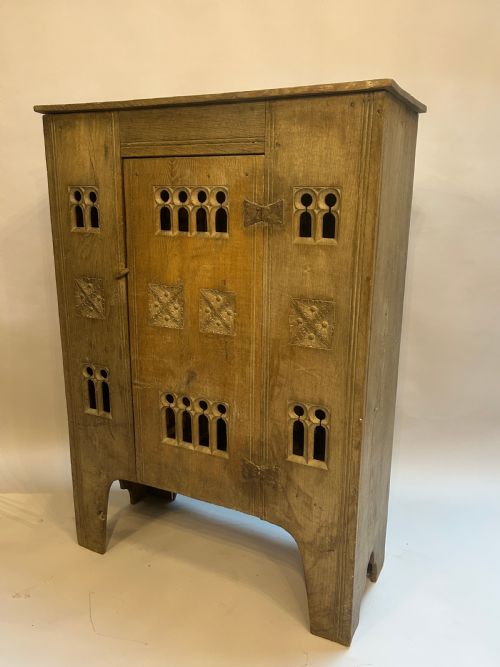
Buyers also encounter related forms such as folio cabinets, plan chests, and architectural cupboard doors adapted from buildings of the period.
Materials and Construction
Cabinetmakers constructed these pieces using dense hardwoods such as walnut, oak, and mahogany, often applying veneers of ebony or tortoiseshell.
Structural elements rely on traditional joinery, integrating brass hardware, iron fittings, and hand-carved details like bone inlay or linenfold panels.
Surface finishes include French polish, paint, and wax, preserving the grain of pine, elm, and maple timbers.
Antique Architectural Cabinet Retail Price Guide 2026
Typical asking prices for architectural cabinet among the pieces listed under this phrase on Sellingantiques today, from the lower quarter to the upper quarter. They describe what is for sale here now, not the wider market.
A nineteenth-century grocery store model sits alongside grand architectural cabinets and humble pine plan chests.
Evaluating Craftsmanship
Quality depends on the precision of the miniature architectural elements, such as the crispness of column capitals and the symmetry of pediments.
The selection of veneers and the complexity of marquetry dictate the visual depth and ambition of the original maker.
Integrity of construction, from the dovetailing of internal drawers to the survival of original brass or gilt bronze mounts, separates standard production from exceptional work.
Benjamin Taylor And Sons·Maison Krieger
The Antique Architectural Cabinet Glossary
- Pediment
- The triangular or curved architectural gable crowning the top of a cabinet or bookcase. It derives from classical temple architecture.
- Marquetry
- Decorative patterns formed by inserting pieces of wood, bone, or tortoiseshell into a veneered surface. This technique creates pictorial designs across cabinet doors.
- Column
- A vertical pillar comprising a base, shaft, and capital, frequently utilised to flank doors or drawers on architectural pieces. They echo classical orders.
- Secretaire
- A desk fitted with a fall-front or drawer concealing a writing surface and small compartments. Many examples integrate architectural interior pigeonholes.
- Tabernacle
- A richly ornamented cabinet or shrine structure resembling a reliquary or church altar. These pieces often feature flanking pilasters and architectural pediments.
Antique Architectural Cabinet: Frequently Asked Questions
What is an antique architectural cabinet?
An antique architectural cabinet is a storage piece designed to mimic classical building facades, incorporating elements like columns, cornices, and pediments.
These pieces range from tabletop study cabinets to large standing bookcases and plan chests dating across the seventeenth to nineteenth centuries.
How were architectural cabinets used historically?
Historically, these cabinets served to store precious items, documents, prints, or collections of natural curiosities, reflecting the owner's erudition.
Smaller tabletop versions functioned as portable treasuries, while larger standing variants anchored the decor of libraries and studies.
How do I place one in a modern room?
An architectural cabinet provides strong vertical lines and focal presence, making it suitable for studies, hallways, or living rooms.
Allow the piece sufficient wall space so that its structural mouldings and proportions remain visible without visual clutter.
How do I distinguish seventeenth-century styles?
Seventeenth-century pieces frequently display dense materials like ebony, tortoiseshell, and bone, often associated with Flemish, German, or Spanish workshops.
They rely on dramatic contrasts and architectural depth rather than the lighter mahogany veneers seen in later Regency or Georgian iterations.