





Antique Architectural Brackets
These antique architectural brackets provide solid structural support while bringing character and history directly onto interior walls.
Antique Architectural Brackets
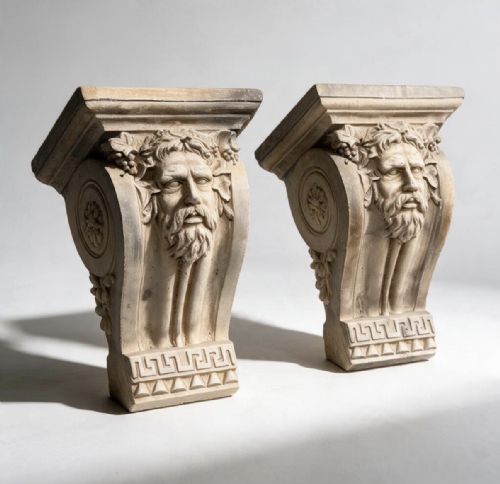
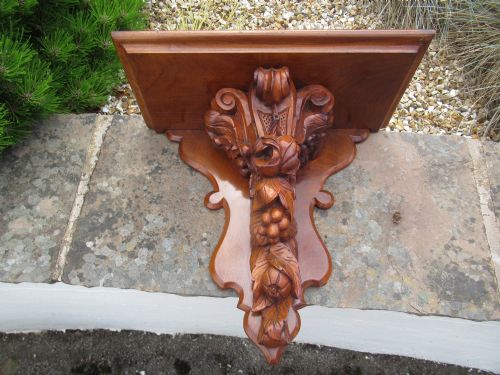
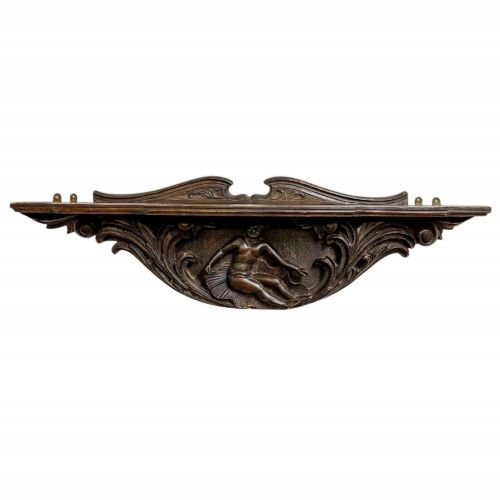
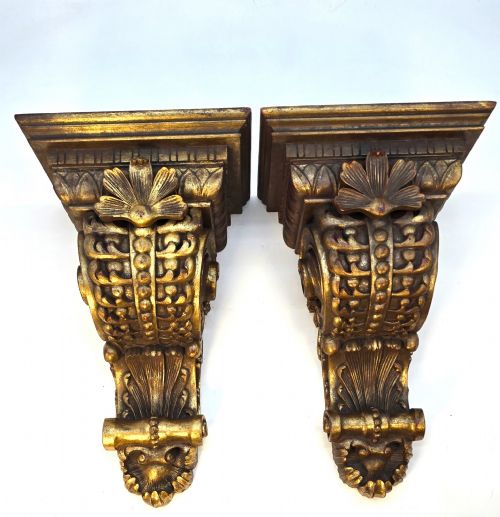
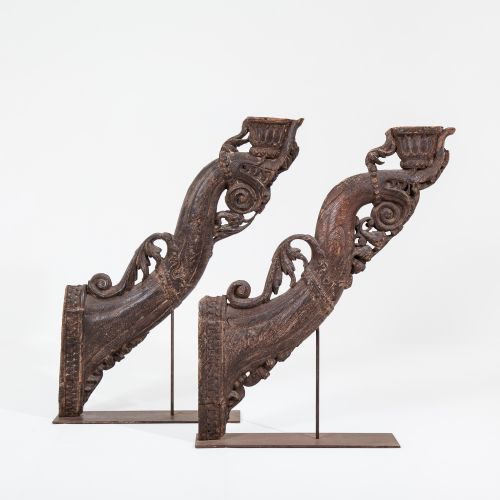
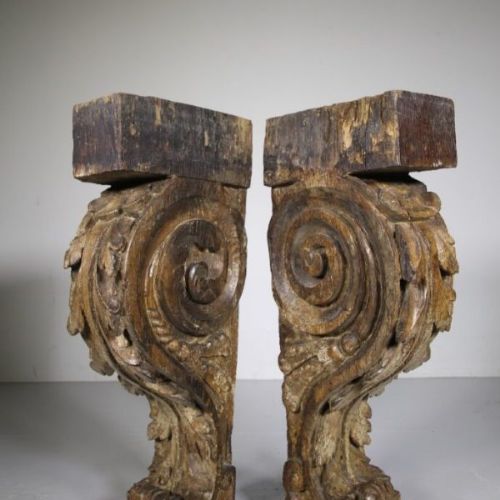
Antique architectural brackets include carved wooden corbels, iron shelf supports, and stone capitals sourced from domestic and public buildings. Buyers seeking antique architectural brackets encounter forms ranging from heavy 17th century oak figures to ornate Victorian ironwork and Georgian walnut designs.
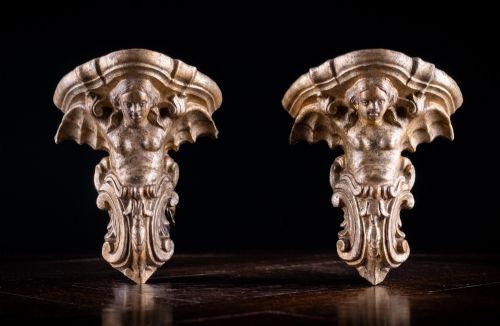
Many examples function as wall brackets, console shelves, or overdoor pediments, reflecting their original purpose of bearing weight or framing spaces. The selection spans diverse stylistic influences including Gothic Revival, Medieval, and aesthetic movement designs.
Materials and construction methods
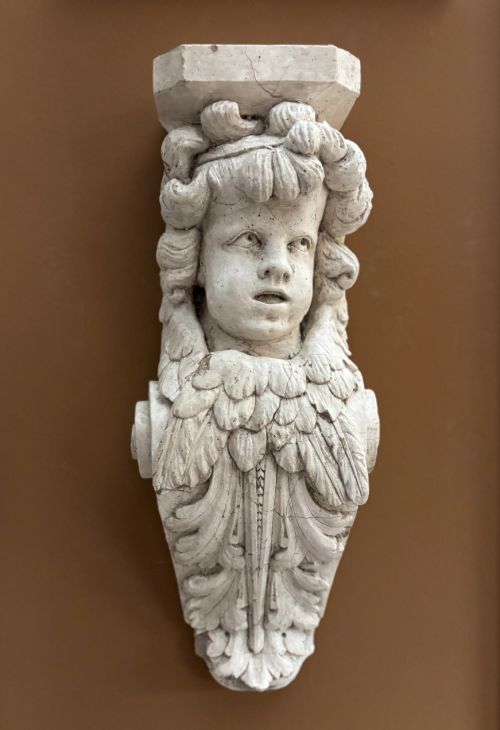
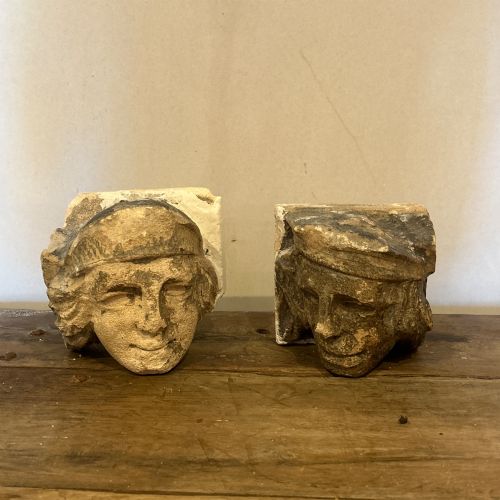
Makers utilised dense timbers such as oak, walnut, and pine, shaping them with hand chisels to create deep relief carvings of caryatids, putti, and foliage. Stone and terracotta examples demonstrate detailed masonry techniques, employing limestone and plaster to form robust corbels and capitals.
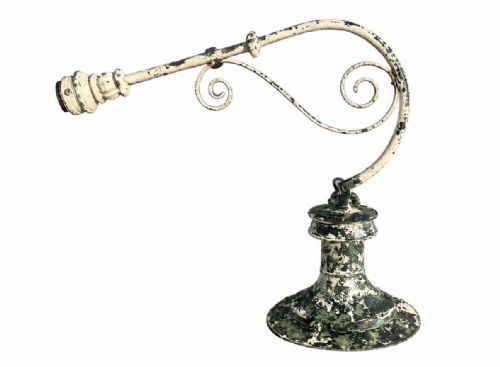
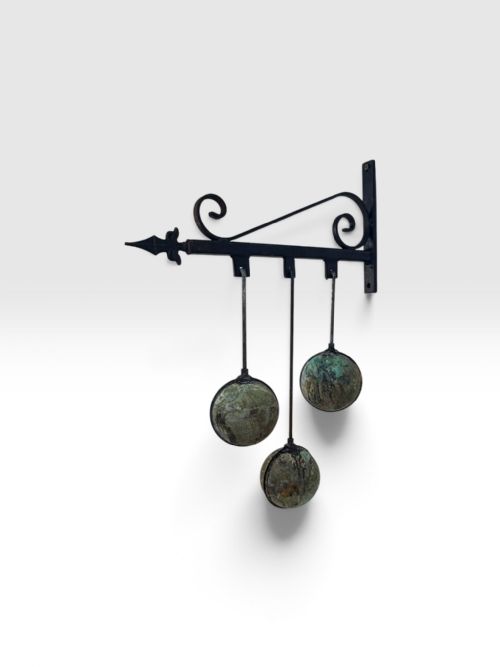
Metal components rely on cast iron, wrought iron, bronze, and brass, often cast in moulds or forged by hand to produce durable brackets and utilitarian shelf supports. Painted, gilt, and ebonised surface treatments complete these pieces, protecting the underlying material while adding decorative depth.
Antique Architectural Brackets Retail Price Guide 2026
Typical asking prices for architectural brackets among the pieces listed under this phrase on Sellingantiques today, from the lower quarter to the upper quarter. They describe what is for sale here now, not the wider market.
Listings feature oak, walnut, pine, stone, terracotta, bronze, iron, and brass across periods spanning the seventeenth to the early twentieth century.
Determining quality in craftsmanship
Quality rests upon the depth, clarity, and anatomy of the carving, where master pieces display expressive faces and balanced drapery rather than flat or rigid lines. The choice of material dictates longevity, with tight-grained oak and heavy cast bronze offering superior structural integrity compared to softer woods or brittle plaster.
Provenance and original context elevate certain pieces, distinguishing bespoke architectural salvage from standard utilitarian hardware. The precision of the joinery and the preservation of original painted or gilt surfaces further separate standard decorative items from exceptional examples.
Luigi Frullini·L Donne Birchin Lane·Fatton Eleve De Breguet
The Antique Architectural Brackets Glossary
- Corbel
- A projection from a wall, usually stone or wood, designed to support a structure above it. These weight-bearing architectural elements often feature intricate carvings of figures or foliage.
- Caryatid
- A sculpted female figure serving as an architectural support taking the place of a column or a pillar. They appear frequently on carved wooden wall brackets from the seventeenth century.
- Pediment
- A triangular or curved architectural crown placed over doors, windows, or shelves. Surviving antique examples often incorporate decorative consoles and shelving.
- Fusee
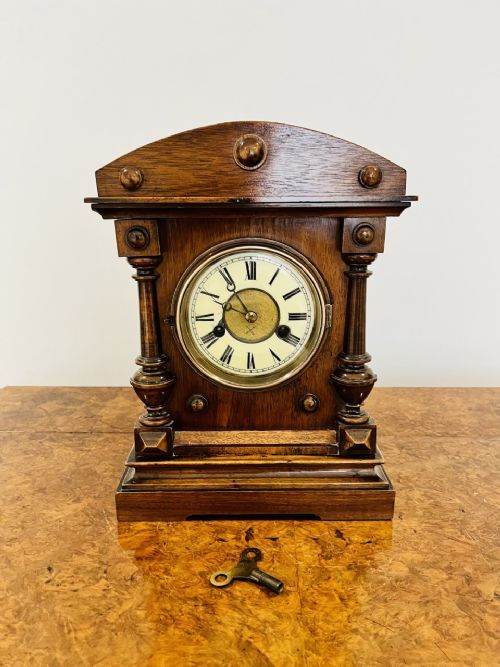
- A conical pulley used in clock movements to maintain even tension on the mainspring as it unwinds. This mechanism appears in several bracket clocks listed alongside structural shelf supports.
Antique Architectural Brackets: Frequently Asked Questions
How do I hang heavy stone or iron brackets?
Heavy stone and iron brackets require deep masonry anchors or structural wall studs to bear their substantial weight safely.
Fixing them securely prevents the hardware from pulling away from plaster or drywall under load.
Can wooden wall brackets hold books?
Solid oak and walnut brackets easily support heavy volumes when mounted properly into wall studs.
Shorter projections distribute weight effectively, making them suitable for sturdy shelf displays.
Are painted iron brackets suitable for outdoor use?
Cast and wrought iron withstand external environments provided the protective paint barrier remains intact.
Regular checks for moisture and rust help preserve the metalwork over decades.