




Antique Apothecary Treen
Antique apothecary treen brings practical medicine into the domestic sphere through turned wood containers, measures, and mortars.
Antique Apothecary Treen
When you search for antique apothecary treen, you encounter functional wooden objects designed for medicinal storage, preparation, and measurement. These pieces connect directly to the daily practice of apothecaries and households across past centuries.
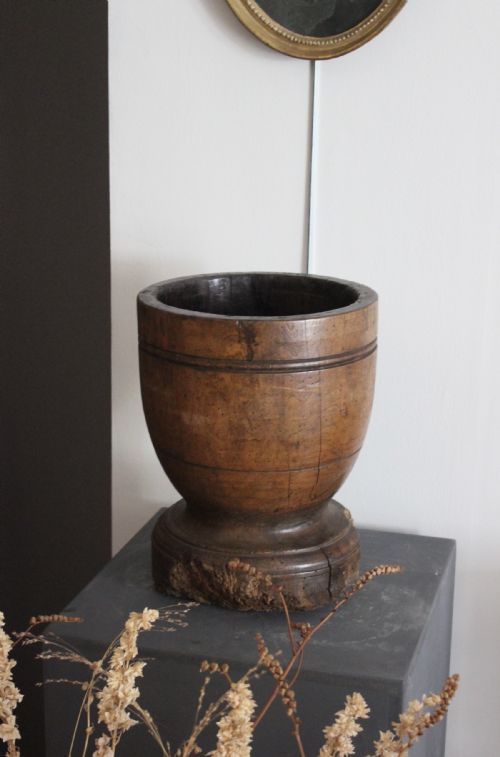
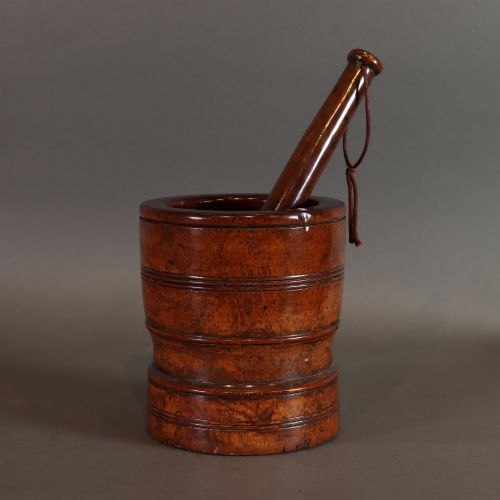
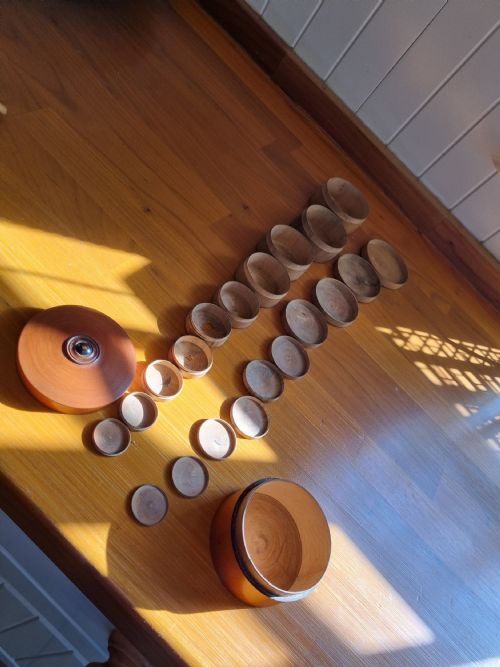
The items most frequently met on this page include turned wooden mortars and pestles, pill rounders, and multi-compartment containers. Hardwood vessels dominate the selection, spanning from the seventeenth century through the Victorian era.
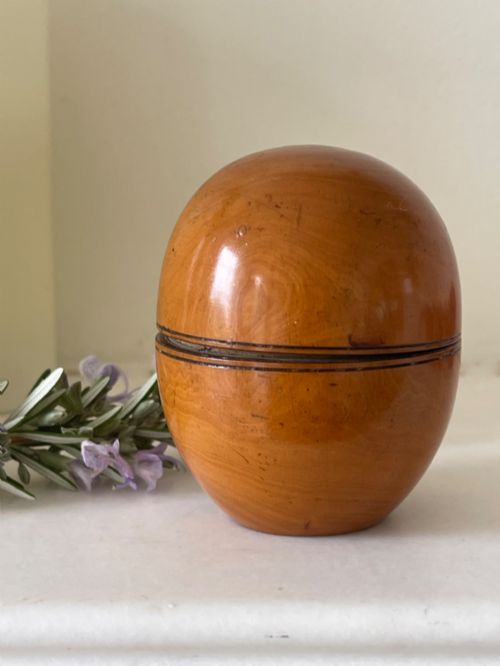
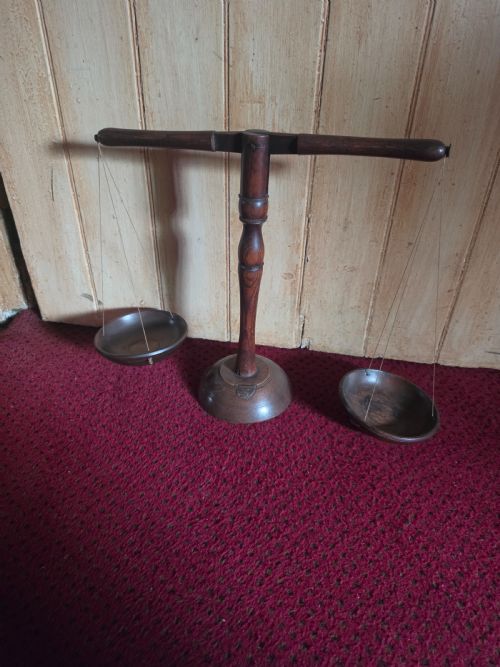
Many survivors take the form of small portable containers, double-ended measures, and specialist instruments such as stethoscopes. Their survival reflects both durable craftsmanship and the sustained utility of wood in medical preparation.
Materials and construction methods
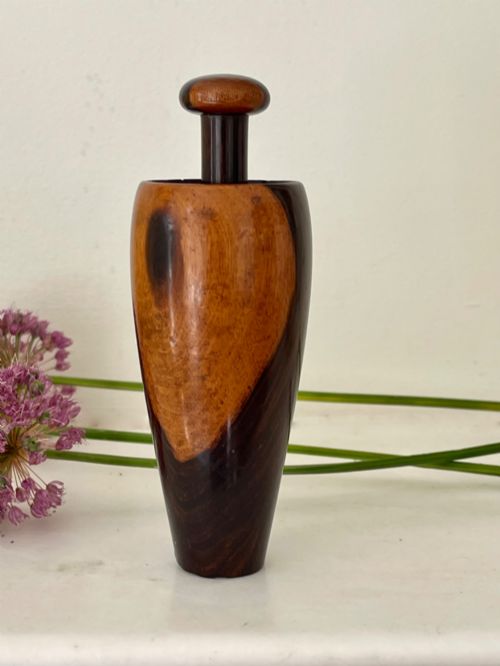
Makers utilised dense hardwoods such as lignum vitae, boxwood, walnut, and fruitwood to withstand the heavy pressure of pounding and grinding. These close-grained timbers prevented medicinal powders from lodging in the grain and resisted splitting during intense use.
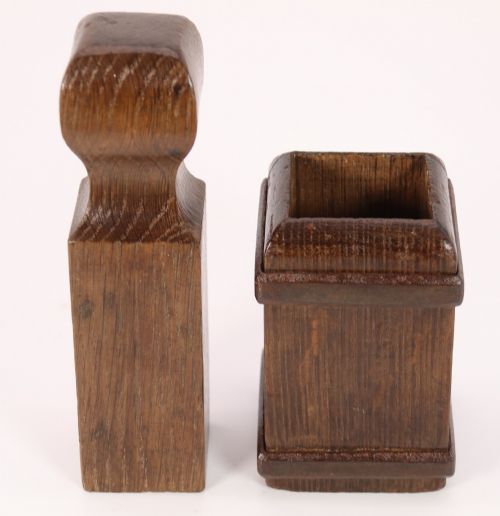
Turnery on a lathe formed the primary method of production for mortars, jars, and cylindrical measures, creating smooth symmetrical walls and tight-fitting lids. Iron mountings and wrought iron reinforcement occasionally provided added structural strength to oak and fruitwood crushers.
Antique Apothecary Treen Retail Price Guide 2026
Typical asking prices for apothecary treen among the pieces listed under this phrase on Sellingantiques today, from the lower quarter to the upper quarter. They describe what is for sale here now, not the wider market.
The inventory spans the seventeenth, eighteenth, and nineteenth centuries, including specific dates around seventeen-fifty.
Judging quality in turned medical wood
The highest quality examples display crisp, purposeful turning with well-balanced proportions and clear tool marks that speak of skilled handcraft. Inferior pieces often show clumsy thickening of walls or poorly fitted lids that compromise the vessel's original function.
Patina and surface wear tell a significant story regarding quality, as honest handling leaves a warm, organic sheen across the timber. Over-cleaning or harsh restoration strips away this vital evidence of age and use, diminishing the character of the piece.
The Antique Apothecary Treen Glossary
- Treen
- Small domestic and professional wooden objects made by turning or carving. The term embraces everything from kitchenware to medical containers.
- Lignum vitae
- An extremely dense and heavy tropical hardwood known for its oily nature and natural self-lubrication. Makers favoured it for mortars subjected to heavy crushing.
- Pill rounder
- A grooved wooden board used by apothecaries to roll and shape uniform medicinal pills from a mass of paste. They often appear as matched sets.
- Mortar and pestle
- A bowl and club combination used for crushing and grinding dry ingredients or substances. Wooden variants offered a lighter, non-reactive alternative to stone.
- Double-ended measure
- A pocket-sized container featuring compartments or volumetric bowls on both ends for measuring ingredients. Boxwood versions frequently survived with tight screw threads.
Antique Apothecary Treen: Frequently Asked Questions
How were wooden mortars used?
Apothecaries used wooden mortars and pestles to crush dried roots, barks, and chemical ingredients into fine powders. The deep bowl contained the materials while the pestle applied downward force and grinding motion.
Hardwoods like lignum vitae and fruitwood prevented the wood from absorbing active medical compounds during preparation.
How do I date antique treen?
Dating relies on tool marks, timber selection, wear patterns, and structural design conventions specific to different centuries. Seventeenth-century pieces often display heavy lignum vitae turnery, while nineteenth-century items include boxwood measures and pill rounders.
Examining the thread work on lidded containers and the presence of wrought iron mounts also helps narrow the period of manufacture.
Are these items safe for modern use?
Most collectors treat antique apothecary treen as display or study pieces rather than practical kitchen equipment. Centuries of absorbing medicinal herbs, resins, and powders mean the timber is chemically altered.
Gentle cleaning with dry cloths preserves the historic patina without damaging the porous surface of the old wood.