

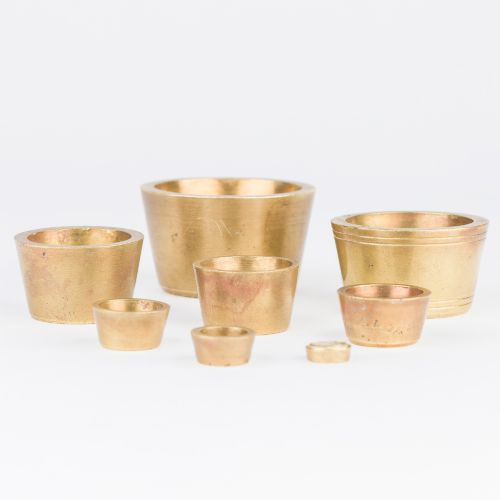
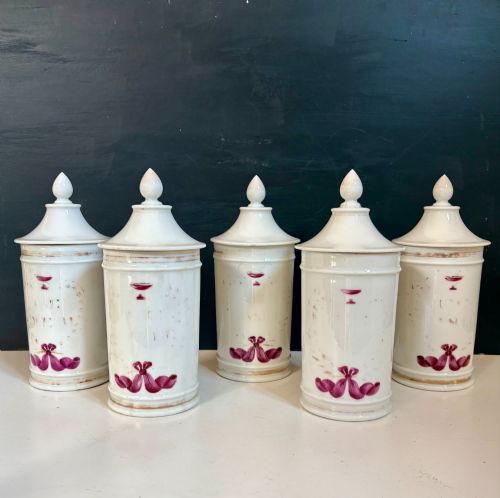
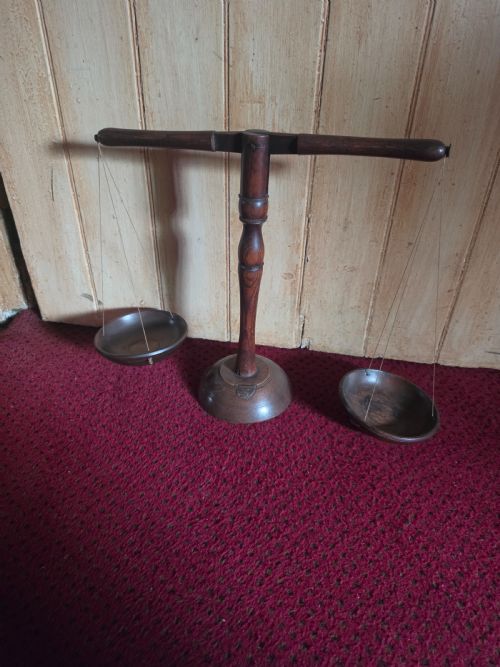
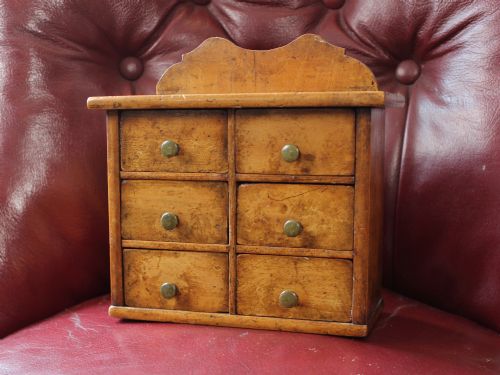






Antique Apothecary Set
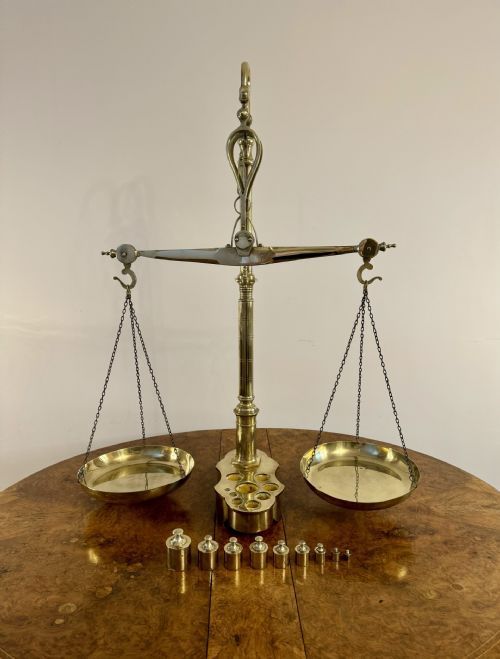
An antique apothecary set brings functional medical history into your home, offering tactile brass scales, glass jars and wooden containers.
Antique Apothecary Set
When you search for an antique apothecary set, you encounter collections of medicinal instruments, storage vessels and measuring tools spanning several centuries. These assemblies range from complete travelling medical kits in silver to groupings of glass pharmacy bottles and nested boxwood pill rounders.
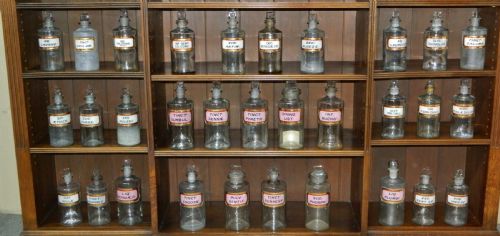
The pieces most frequently met on this page include sets of brass beam scales with matching weights, multiple apothecary jars in green glass or painted finishes, and heavy bronze mortars with their pestles. Such items originate primarily from the Georgian, Victorian and Edwardian eras, reflecting utilitarian practices of historical chemists and physicians.
Materials and construction
Makers utilised durable metals such as brass, bronze and sterling silver to fabricate precision scales, delicate weights and heavy grinding mortars. These metallic elements often feature cast components, hand-engraved markings and turned details designed to withstand rigorous daily dispensary use.
Organic materials like mahogany, boxwood, fruitwood and paper feature prominently in containers, spice drawers, pill rounders and original block stands. Skilled turners shaped the dense hardwoods into tight-fitting nested containers and cylindrical jars to protect sensitive contents from moisture and light.
Antique Apothecary Set Retail Price Guide 2026
Typical asking prices for apothecary set among the pieces listed under this phrase on Sellingantiques today, from the lower quarter to the upper quarter. They describe what is for sale here now, not the wider market.
Listings feature scientific instruments and storage vessels across periods from the seventeenth century to the 1930s.
Factors of quality and execution
The standard of a set rests upon the precision of its mechanisms and the integrity of its matched components. Precision beam scales with signed metalwork and complete sets of original Troy ounce weights demonstrate a higher level of workshop execution than mismatched assemblies.
Material selection and survival of original elements also dictate standing, such as intact paper labels on glass pharmacy bottles or complete nesting rows within boxwood containers. The inclusion of bespoke storage, whether fitted travel kits or original wooden blocks, elevates the provenance of the grouping.
Oertling·De Grave and Co London
The Antique Apothecary Set Glossary
- Beam scales
- A weighing instrument utilising a central pivot and balanced arms to determine precise masses. These devices often include fitted brass pans and calibrated weight sets.
- Pill rounder
- A wooden tool used to shape medicinal pastes into uniform spherical pills. They typically comprise grooved matching boards made from dense boxwood.
- Mortar and pestle
- A heavy bowl and club-shaped tool used for crushing and grinding dry substances or herbs. Bronze and brass examples frequently display decorative cast moulding.
- Treen
- Small domestic and scientific wooden objects made by turning or carving. Collectors prize treen apothecary containers for their fine grain and tactile warmth.
- Chemist jar
- A glass or ceramic vessel designed to hold dry drugs or liquids in a dispensary. They often feature hand-painted labels or ground glass stoppers.
Antique Apothecary Set: Frequently Asked Questions
What is included in an apothecary set?
An apothecary set typically comprises instruments used by historical pharmacists and medical practitioners for measuring, mixing and storing remedies. Common components include brass beam scales, calibrated weight sets, glass drug bottles, and heavy metal mortars with pestles.
Larger groupings might feature fitted wooden boxes, nested pill rounders, or specialised travelling medical kits housed in leather or hardwood cases. Each item reflects the specific utilitarian needs of historical medical practice.
How do I date an apothecary set?
Dating relies on examining the materials, manufacturing techniques, and any maker marks or inscriptions present on the metalwork or packaging. Georgian and Victorian sets often display distinctive cast brass components, hand-cut lettering, and traditional hardwoods like boxwood and mahogany.
Later Edwardian and twentieth-century examples introduce standardised stampings, machine-turned fittings, and different glass manufacturing methods. Comparing individual jars and scales against documented regional styles helps narrow the period of production.
Were these sets used by doctors?
Many of these instruments served in apothecary shops, dispensaries and laboratories rather than solely in clinical physicians' practices. Chemists and druggists utilised beam scales, weights and mortars daily to compound raw ingredients into precise medicinal dosages.
Some portable kits, however, were specifically produced for travelling medical practitioners or military surgeons. These compact packages allowed doctors to carry essential remedies and instruments on visits.
How should I display apothecary items?
Apothecary items suit placement on open wooden shelving, inside glass-fronted cabinets, or grouped together on sturdy tabletops. Their varied materials, from polished brass to deep green glass and warm hardwoods, create visual contrast in domestic interiors.
Keeping sets together maintains their historical context as working collections of scientific instruments and storage vessels. Position them away from direct heat sources to protect wood and paper elements.