




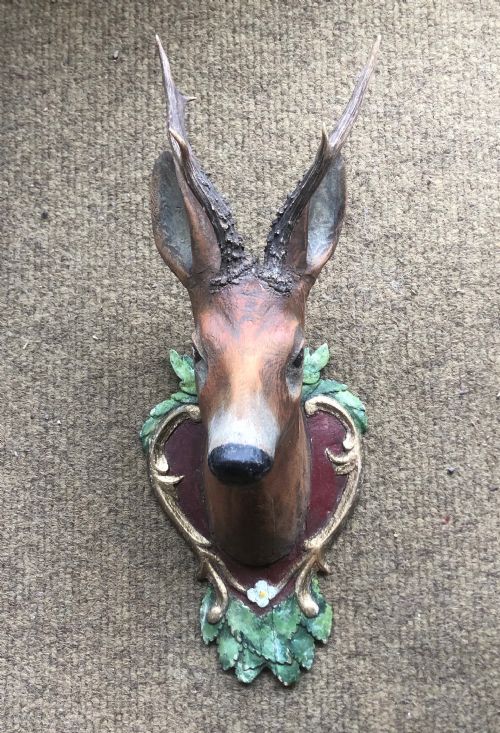

Antique Antler Mounts
These antique antler mounts bring the rugged spirit of the Victorian country house and Highland hunting lodge straight into modern interiors.
Antique Antler Mounts
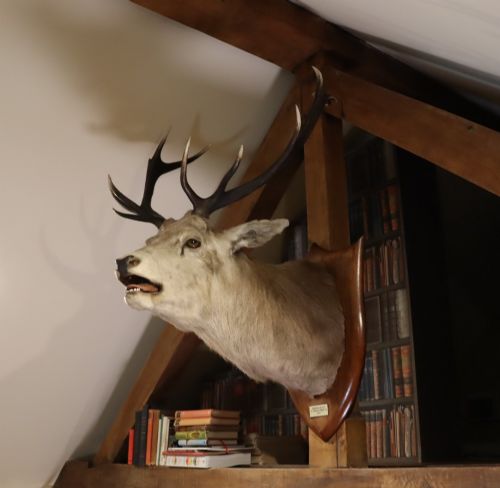
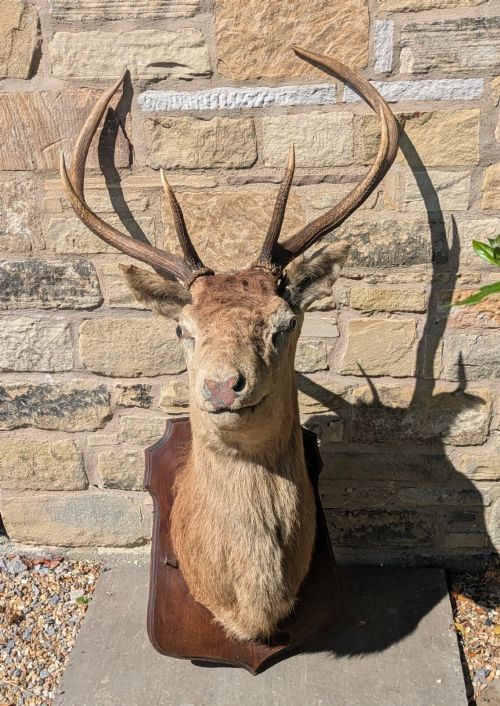
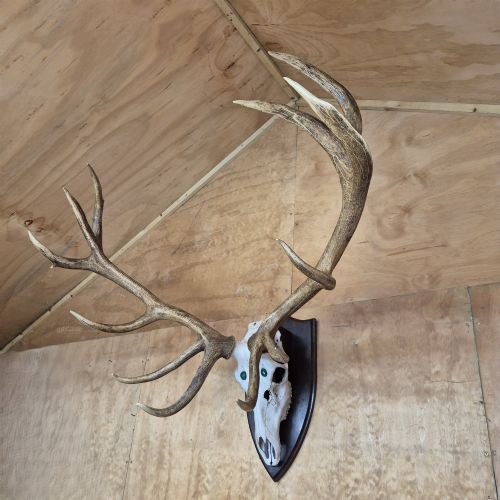
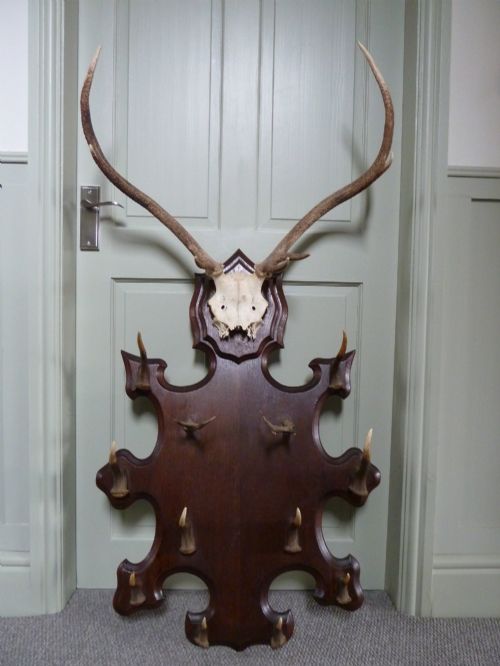
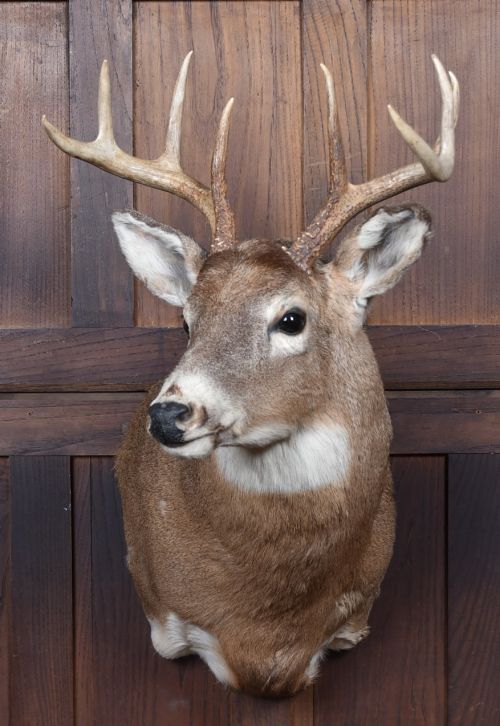
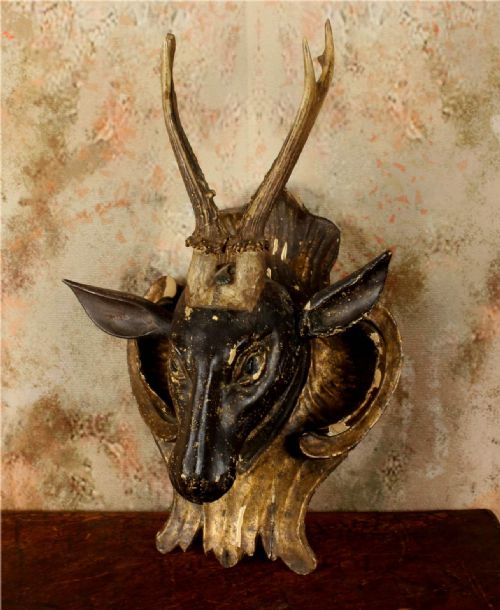
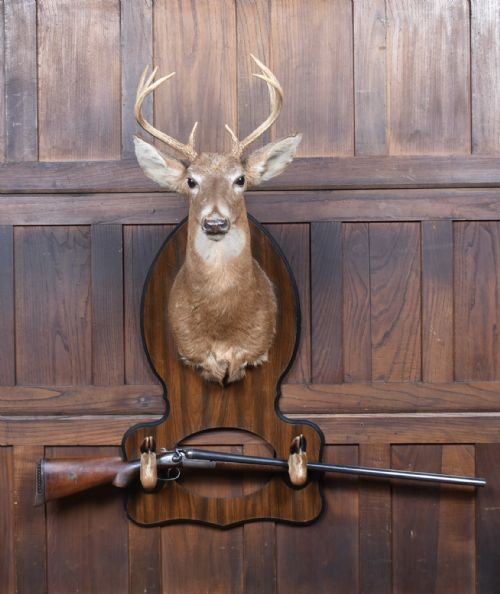
Antique antler mounts encompass taxidermy stag heads, wall sculptures, and functional items like coat racks and hall stands derived from natural horn and bone. These pieces reflect the tastes of nineteenth-century sporting estates and Highland traditions.
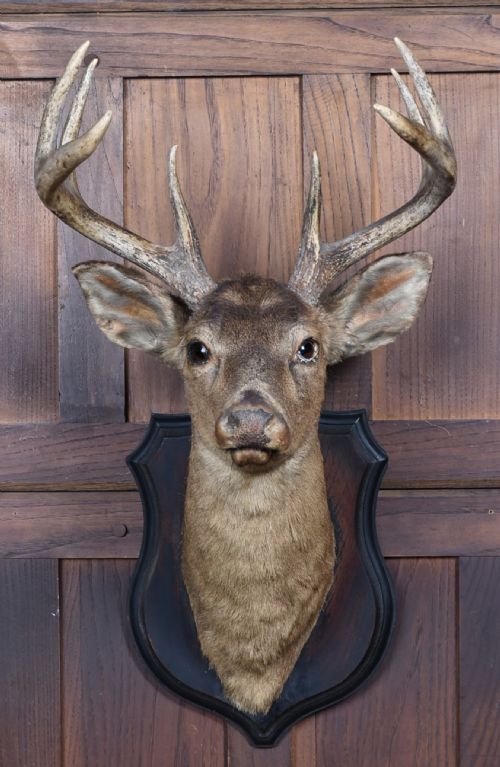
You are most likely to encounter mounted red deer stags and roebucks on wooden shields alongside practical accessories such as riding crops and desk stands. The forms range from simple folk art trophies to elaborate architectural taxidermy.
Originating largely from British country houses and continental lodges, these objects blend natural history with domestic utility. They serve as tactile reminders of historic hunting culture and traditional craftsmanship.
Materials and construction methods
Makers utilised genuine antler, staghorn, and bone combined with solid timber shields carved from oak and other local woods. These natural components were frequently accented with silver collars, brass mounts, and glass eyes in taxidermy examples.
Taxidermy specimens required precise curing of the hide and secure attachment of the skull plate to wooden backing boards. Smaller items like desk sets and riding crops involved careful carving, shaping, and polishing of the horn alongside metal smithing.
Listings feature items spanning the nineteenth and early twentieth centuries, utilising red deer, roe deer, and white-tailed deer antlers.
Evaluating craftsmanship and condition
Quality rests upon the natural symmetry and point count of the antlers, alongside the anatomical accuracy and expression preserved in taxidermy heads. Finer examples display meticulous taxidermy work that retains a lifelike vitality.
The integration of secondary materials defines the upper tier of pieces, where hallmarked silver mounts, heavy brass hardware, and finely carved oak shields demonstrate superior patronage. Condition and original patination on both horn and wood remain critical to the overall integrity.
Peter Spicer & Sons
The Antique Antler Mounts Glossary
- Taxidermy mount
- The preserved skin and antlers of an animal fitted to a form and displayed upon a wooden backing. These shields were standard fixtures in country houses.
- Staghorn
- The dense osseous material of deer antlers utilised for carving utilitarian and decorative objects. It polishes to a smooth finish.
- Folk art
- Items created by self-trained makers outside formal trade guilds, often utilising readily available natural materials. These vernacular pieces carry distinct regional character.
- Shield
- The carved wooden plaque, frequently oak, upon which animal trophies and antlers are mounted for wall hanging. They provide structural support and a finished border.
Antique Antler Mounts: Frequently Asked Questions
How were antique antler mounts used?
These pieces primarily served as interior decorations within hunting lodges, smoking rooms, and hallways to display sporting prowess and a connection to the countryside. Many items also performed dual roles as functional furniture, including hall stands, coat hooks, and desk accessories.
Over time, they transitioned from working sporting equipment and trophies into prized decorative elements for domestic interiors. Their robust construction allowed them to endure decades of daily domestic service in busy entrance halls.
How do I date an antler mount?
Dating relies heavily on the style of the wooden backing shield, the mounting hardware, and any associated taxidermy techniques. Nineteenth-century examples often feature hand-carved oak shields and traditional taxidermy methods distinct from twentieth-century practices.
Examining secondary materials like silver hallmarks or brass fittings provides further chronological markers. Taxidermy styles and mounting conventions shifted noticeably between the Victorian era and the Edwardian period.
Where should I hang a mount?
Antler mounts require a wall capable of supporting the combined weight of the timber shield and natural horn. They traditionally anchor entrance halls, studies, and living rooms above mantelpieces or furniture.
Placing them away from direct sunlight and excessive heat sources protects the natural bone, hair, and wood from drying out. Proper wall anchors ensure these heavy historic objects remain secure.
How do I care for antique horn?
Maintaining antler and bone involves dusting gently with a dry, soft cloth to prevent particulate buildup on the textured surfaces. Avoiding water and chemical cleaners protects the historic finish and natural oils within the material.
Keeping pieces in stable environmental conditions prevents the wood shields and horn from warping or cracking. Periodic inspection of the hanging wire and wall fixings ensures safe display.