





Antique Agate Pendant
These antique agate pendants are striking pieces of historical jewellery that bring rich natural stone work and period craftsmanship directly to your neckline.
Antique Agate Pendant
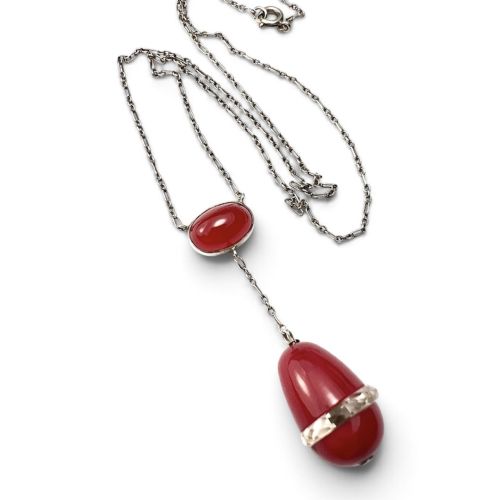
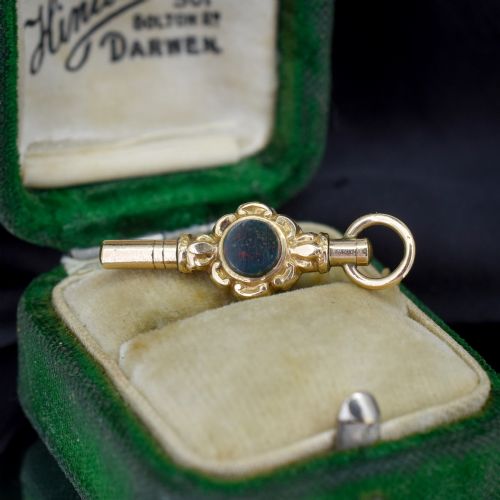
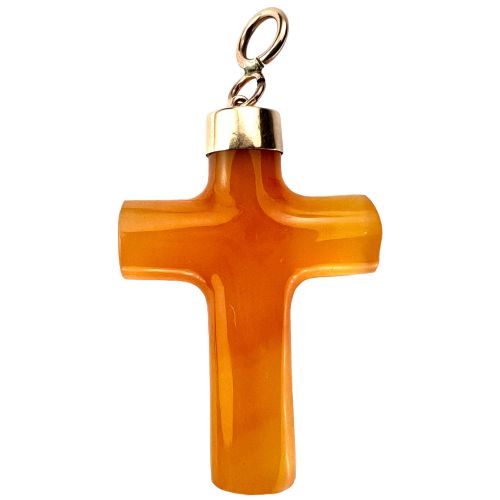
When you search for an antique agate pendant, you enter a field defined largely by Victorian and Georgian craftsmanship, where hardstone and banded stones take centre stage. The selection includes repurposed watch keys, spinning fobs, padlocks, crosses, and miniature portraits framed in precious metal.
How they were made
Goldsmiths and lapidaries shaped natural stones such as agate, bloodstone, carnelian, and chalcedony through meticulous cutting and polishing before setting them securely into precious metal frames. Metalwork techniques of the period involved hand fabrication, bezel settings, and articulated mounts designed to hold heavy hardstones.
Many items started life as functional objects like watch keys or fob seals before being converted into pendants, while others were conceived purely as ornamental lockets or crosses. Artisans often utilised gold-cased metal alongside solid 9ct and 18ct gold to mount the stones.
Antique Agate Pendant Retail Price Guide 2026
Typical asking prices for agate pendant among the pieces listed under this phrase on Sellingantiques today, from the lower quarter to the upper quarter. They describe what is for sale here now, not the wider market.
The listings span the Georgian, Victorian, and Edwardian periods, showcasing materials from silver and 9ct gold to bloodstone and banded agate.
What varies in quality
Quality rests heavily on the depth and natural banding of the stone itself, alongside the crispness of the lapidary work and the weight of the gold or silver mount. Superior examples display striking natural contrasts within the agate and robust, heavy metalwork that shows no sign of thinning or repair.
The sophistication of the metal setting also dictates the tier of the piece, with hand-carved crosses or multi-stone Scottish pebble assemblies sitting above simpler, mass-produced mounts. Artistry in secondary elements, such as engraved bezels or integrated lockets, further elevates the piece.
The Antique Agate Pendant Glossary
- Agate
- A cryptocrystalline variety of silica, chiefly chalcedony, characterised by its fineness of grain and brightness of colour which often forms natural bands. These stones were heavily favoured by Victorian jewellers for their durability and distinctive patterns.
- Fob
- A short chain or ribbon attached to a pocket watch, carrying a decorative pendant that often featured hardstones like agate or bloodstone. Many of these functional items were later adapted to be worn as pendants.
- Hardstone
- A term used in jewellery and glyptic art to describe semi-precious stones such as agate, carnelian, and jasper that are hard enough to be carved and polished. They form the primary visual component of these historical pendants.
- Padlock
- A popular Victorian motif shaped like a small padlock, frequently rendered in silver or gold and inlaid with banded agate or Scottish pebbles. These symbols often carried sentimental meanings relating to security and affection.
Antique Agate Pendant: Frequently Asked Questions
What is an antique agate pendant?
An antique agate pendant is a piece of historical jewellery featuring natural banded stone set in metals such as silver or gold. These items date primarily from the Georgian and Victorian eras.
Many pieces originated as watch keys, fobs, or charms before being adapted for modern wear on chains.
How do I date an agate pendant?
Dating relies on examining the metal mounts, setting styles, and the overall form of the jewellery. Victorian Scottish pebble work and Georgian fob designs exhibit distinct manufacturing traits.
Hallmarks, when present, provide precise clues, though many smaller chatelaine pieces and converted watch keys remain unmarked.
What is Scottish pebble jewellery?
Scottish pebble jewellery refers to Victorian ornaments set with native hardstones like agate, jasper, and bloodstone gathered in Scotland. This style gained immense popularity following royal patronage in the nineteenth century.
Pieces often feature elaborate geometric arrangements of multicoloured stones mounted in silver or gold.
Can I wear an antique pendant daily?
Agate is a relatively durable quartz variety, making these pendants suitable for regular wear if treated with care. Hardstone jewellery should still be protected from hard knocks and harsh chemicals.
Checking the security of the bezel settings and suspension loops periodically ensures the stone remains safe in its mount.