

Antique Accessory Stand
An antique accessory stand holds the small, functional desk and dining objects that kept historic rooms organised.
Antique Accessory Stand
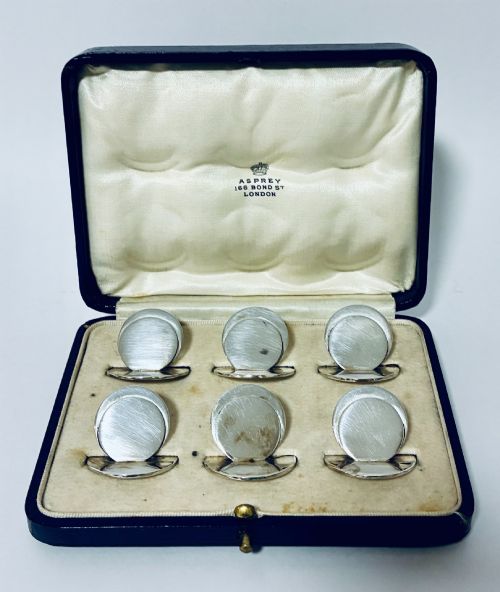
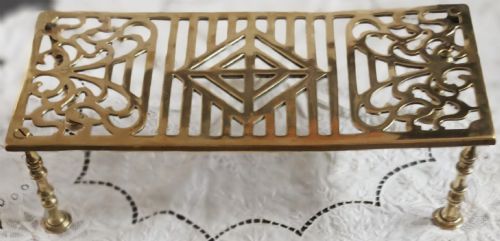
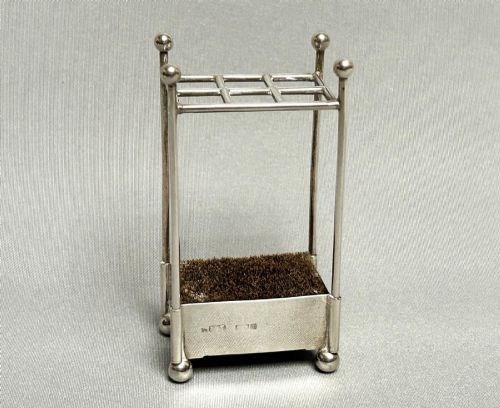
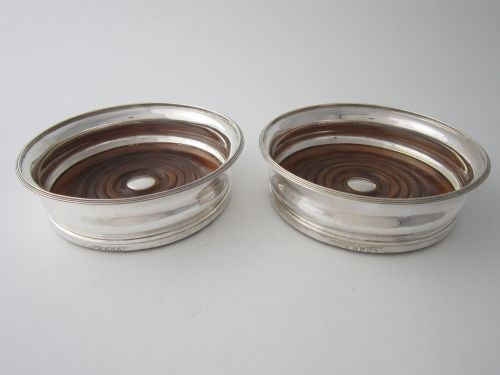
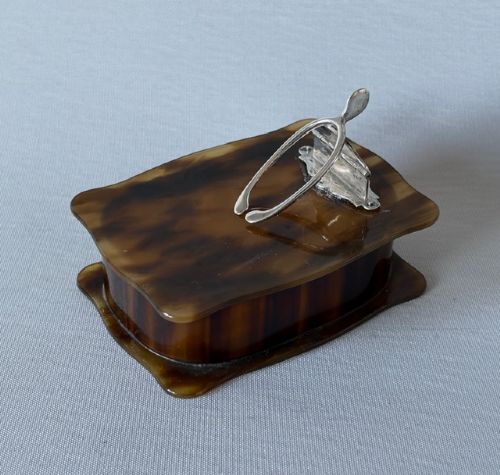
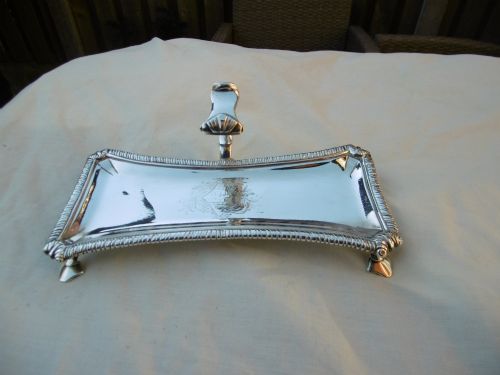
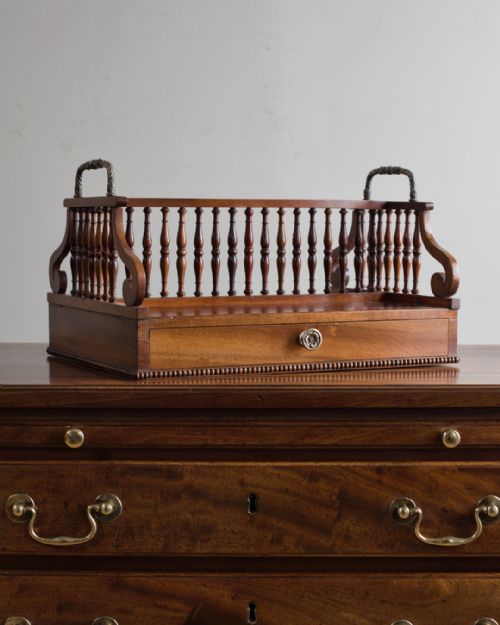
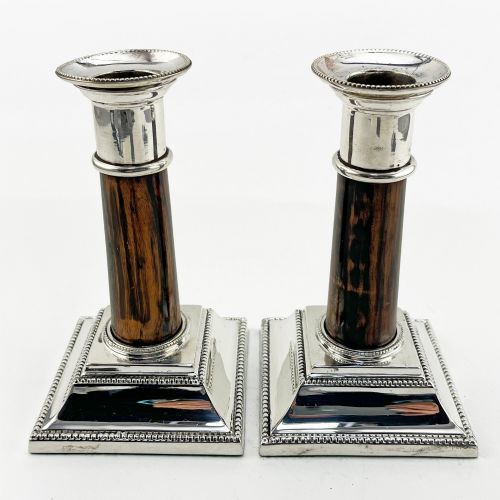
When searching for an antique accessory stand, collectors encounter a diverse group of portable items designed to support desk wares, dining details, and fireplace tools. These include sterling silver menu holders, porcelain inkstands, wooden book carriers, and floor-standing smoking stands from various centuries.
The selections span Georgian, Regency, Victorian, and Edwardian periods alongside Art Nouveau and Art Deco designs. Pieces range from small tabletop place card holders and tea strainers to substantial mahogany and oak floor-standing pieces.
How they were made
Materials recorded in the listings include sterling silver, brass, glass, oak, mahogany, yew wood, bronze, pewter, and porcelain. Metalwork incorporates casting, hammering, and fine silversmithing techniques used by makers such as Liberty and Co and various regional silversmiths.
Woodworking traditions appear in turned yew wood wig stands, carved limewood match holders, and joined oak book stands. Ceramic components utilise moulded porcelain bodies decorated with hand-painted patterns from factories like Minton, Spode, and Worcester.
Antique Accessory Stand Retail Price Guide 2026
Typical asking prices for accessory stand among the pieces listed under this phrase on Sellingantiques today, from the lower quarter to the upper quarter. They describe what is for sale here now, not the wider market.
What varies in quality
Differences in quality depend on the precision of metal casting, the crispness of hand-carved wood details, and the integrity of original ceramic glazes. Finer examples display careful chasing on silver figures and sophisticated joinery on timber stands.
The presence of fully functioning mechanical parts, such as perpetual calendars or integrated inkwells with matching inserts, distinguishes superior desk accessories from simpler utility pieces.
Hammond, Turner and Sons·Sampson Mordan·Flight and Barr·Archibald Knox for Liberty and Co·Levi and Salaman·Sudre·A Wilcox
The Antique Accessory Stand Glossary
- Inkstand
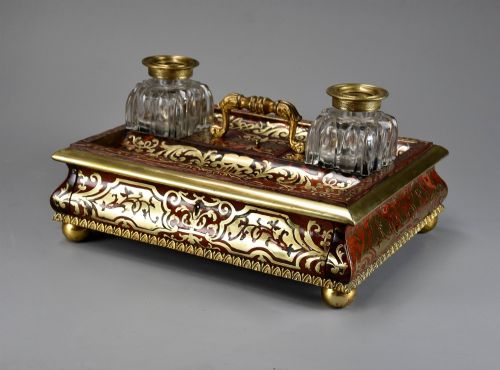
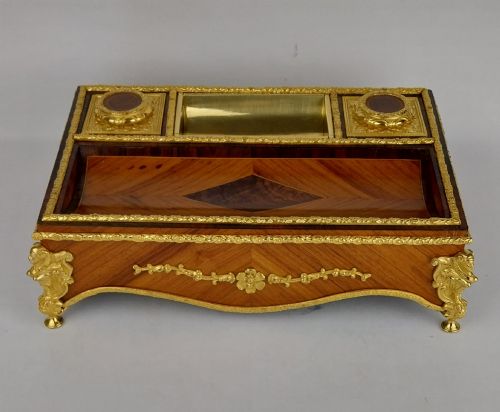
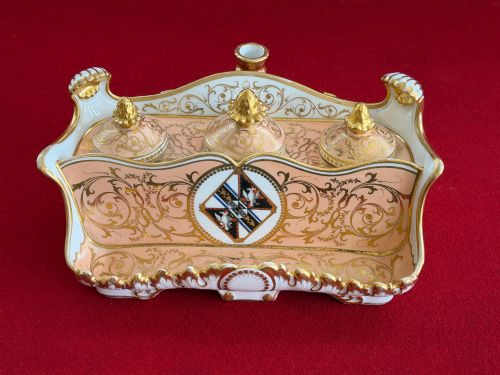
- A portable tray or stand holding inkwells, pen holders, and sometimes a sander or wafer box. These desk accessories appeared in porcelain, brass, and silver during the Georgian and Victorian eras.
- Menu Holder
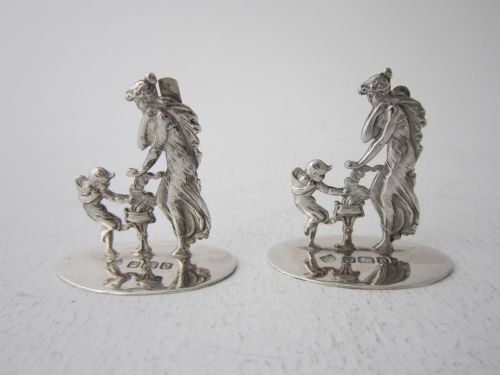
- A small upright frame or figural stand designed to display dinner menus or place cards on a dining table. Edwardian examples often take the form of animals, birds, or human figures.
- Book Stand
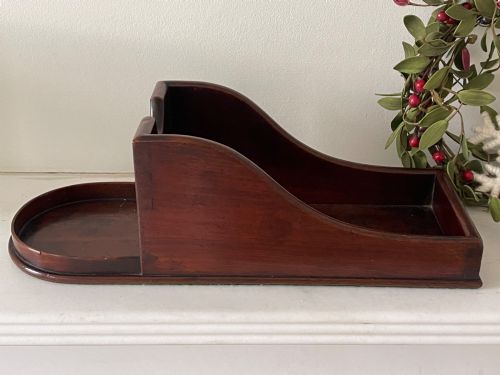
- A desktop or freestanding frame intended to hold open books or support volumes in a library. Common materials include oak, mahogany, and carved limewood.
- Vesta Case
- A small pocket or standing box used to hold matches, typically fitted with a striking surface. Victorian and Edwardian iterations frequently utilise sterling silver.
- Scholar's Brush Rest
- A carved support for traditional Chinese writing brushes, made from materials such as bronze, hard wood, or soapstone. These items formed part of the scholar's desk assemblage.
Antique Accessory Stand: Frequently Asked Questions
What is an antique accessory stand?
An antique accessory stand is a catch-all descriptor for portable supports, trays, and frames used to organise writing implements, dining cards, books, and smoking requisites. These pieces were standard fittings in Georgian, Victorian, and Edwardian interiors.
They range from tiny silver animal figures holding place cards to heavy hardwood floor-standing smoking stands and multi-piece desk sets.
How were inkstands used?
Inkstands sat on writing desks to provide a stable reservoir for ink alongside places for quill pens and blotting sand. They kept writing materials contained and protected fine wooden desk surfaces from spills.
Finer versions included porcelain trays with fitted glass inkwells and matched pen rests for use in elite households.
How do I date a silver menu holder?
Silver menu holders are dated using the standard British assay office marks and date letters stamped directly onto the metal. These hallmarks identify the city of assay, the maker's mark, and the exact year of production.
Many Edwardian and Victorian pieces bear clear stamps from silversmiths working in Birmingham, Chester, and London.
Where should I place a smoking stand?
Floor-standing smoking stands suit studies, libraries, and living spaces furnished with period seating. Their original purpose was to hold pipes, matches, and ash trays near an armchair.
In modern rooms, they function well as standalone decorative objects or practical stands next to seating.