



Antique 2 Seater Settee
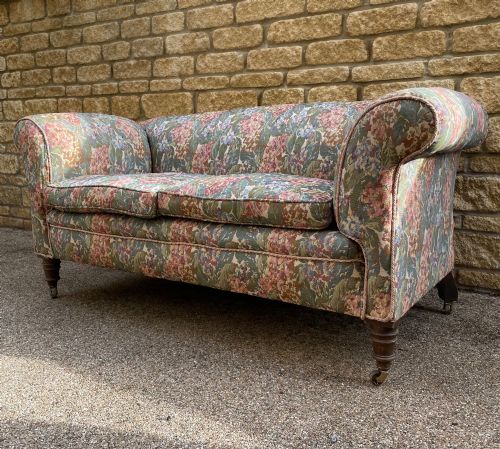
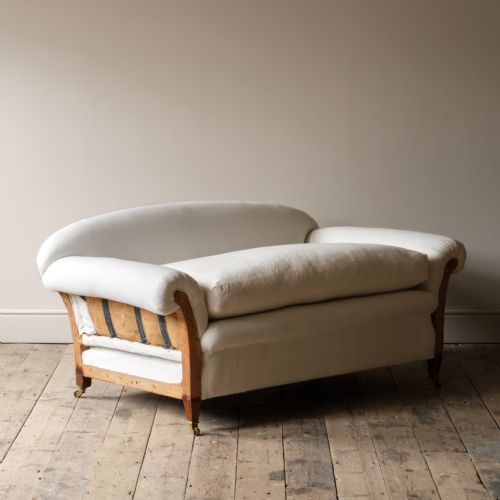
An antique 2 seater settee brings period seating into a room, offering compact comfort through nineteenth-century and Edwardian forms.
Antique 2 Seater Settee
When searching for an antique 2 seater settee, buyers encounter compact seating forms spanning the nineteenth century, the Victorian era, and the Edwardian period. These pieces encompass various stylistic revivals, including Chippendale, Rococo, and French designs.
While larger Chesterfields and three-seat couches appear in the records, the two-seater formats provide intimate proportions suited to smaller spaces. These items combine traditional upholstery with period woodwork.
Materials and construction
Makers utilised solid timbers such as mahogany, walnut, and ebonised wood for the structural frames, often incorporating intricate carving or satinwood inlay. Cane work and parcel gilt details appear on specific French and Aesthetic Movement pieces.
Upholstery relies on traditional coverings like leather, velvet, fabric, and calico linen. Frame construction frequently employs robust joinery characteristic of nineteenth-century workshop practices.
Antique 2 Seater Settee Retail Price Guide 2026
Typical asking prices for 2 seater settee among the pieces listed under this phrase on Sellingantiques today, from the lower quarter to the upper quarter. They describe what is for sale here now, not the wider market.
Some drop-end settees double as impromptu daybeds for Victorian afternoon naps.
Distinguishing quality
The distinction between standard examples and superior pieces rests upon the precision of the timber carving and the integrity of the original frame structure. Finely sculpted mahogany or walnut woodwork indicates higher workshop standards.
The execution of upholstery details, cane work, and inlaid decoration further separates basic utilitarian seating from distinguished maker-attributed commissions.
Howard and Sons·Hampton and Sons·Jackson and Graham·Thonet
The Antique 2 Seater Settee Glossary
- Canapé
- An ornamental French settee or sofa featuring an exposed wooden frame, typically upholstered across the seat and back.
- Drop-end sofa
- A seating design incorporating one or both armrests hinged to lower into a daybed configuration.
- Camel back
- A curved wooden back frame rising in a gentle serpentine arch reminiscent of a camel's hump.
- Bergère
- An enclosed armchair or settee style with upholstered sides and a exposed wooden frame, frequently featuring cane work panels.
- Chesterfield
- A deep-buttoned upholstered sofa traditionally finished in leather or fabric with arms and back of equal height.
Antique 2 Seater Settee: Frequently Asked Questions
How do I identify a Victorian settee?
Victorian settees display characteristic timber frames in mahogany or walnut, often featuring carved ornamentation and deep buttoned upholstery.
Examining the underframe and joinery helps confirm the nineteenth-century origin of the piece.
What is an Edwardian two seater sofa?
Edwardian two seater sofas tend to feature lighter proportions, frequently combining mahogany with satinwood inlay or delicate Chippendale-inspired carving.
These pieces reflect the transition towards more refined, domestic drawing room furniture at the start of the twentieth century.
Are antique settees comfortable for daily use?
Many period settees offer deep seating and sturdy traditional padding, though internal webbing and springs may require professional restoration.
Country house and drop-arm variants are specifically designed for relaxed lounging.
How do French style settees differ from English ones?
French style settees often showcase painted, gilded, or ebonised surfaces with exposed wood frames in the Louis XV or provincial manner.
English equivalents generally emphasise structural mahogany or walnut with heavier textile or leather upholstery.