

Antique 18ct Gold
When choosing antique 18ct gold, collectors encounter enduring rings, brooches, and chains defined by Victorian warmth, Edwardian grace, and Art Deco geometry.
Antique 18ct Gold
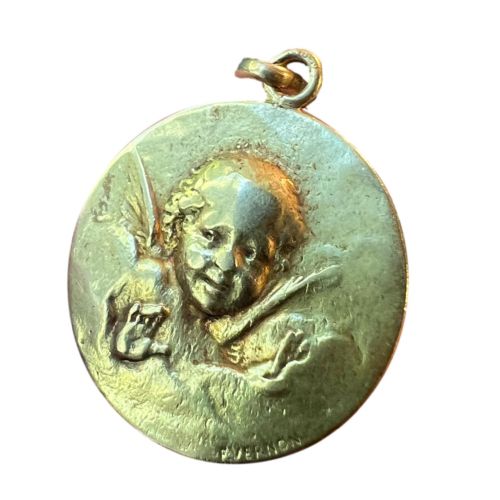
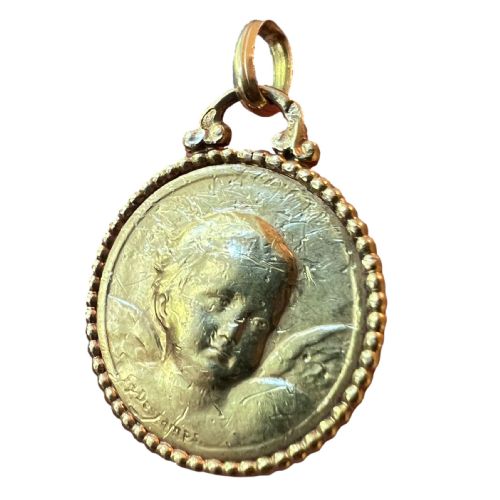
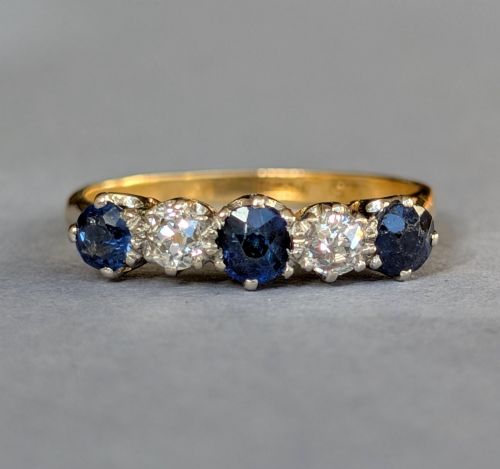
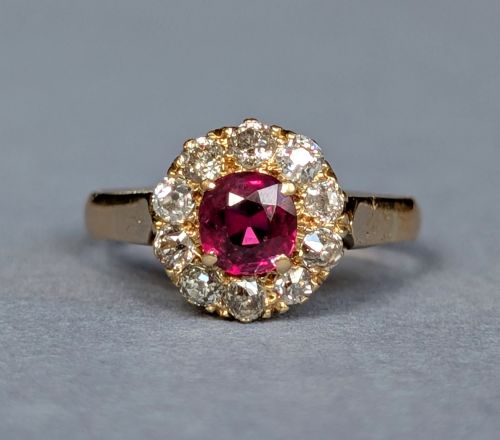
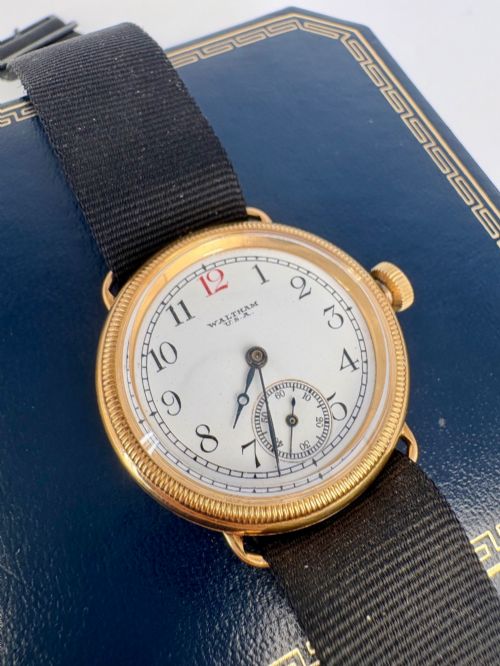
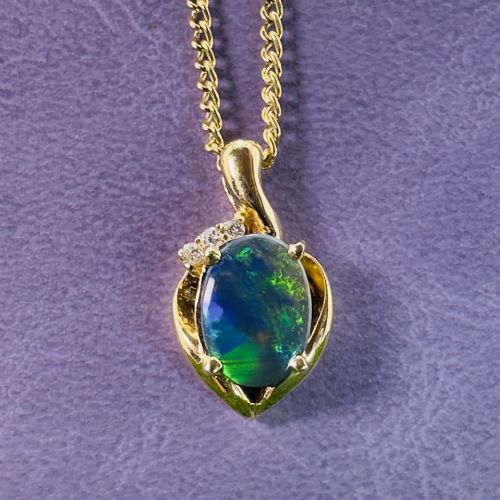
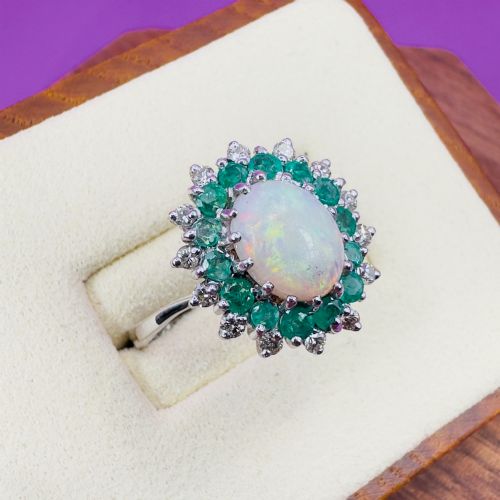
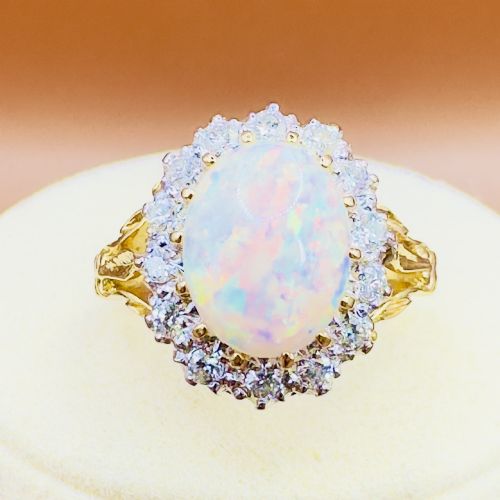
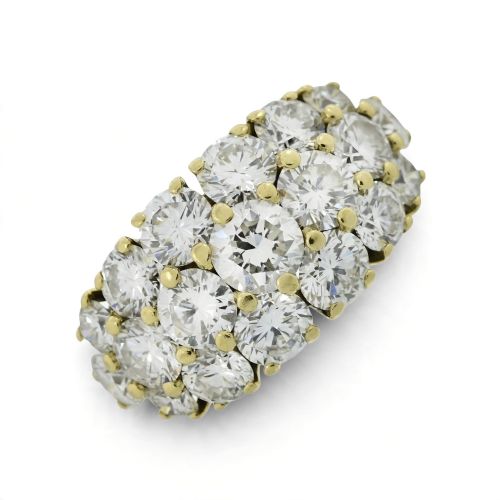
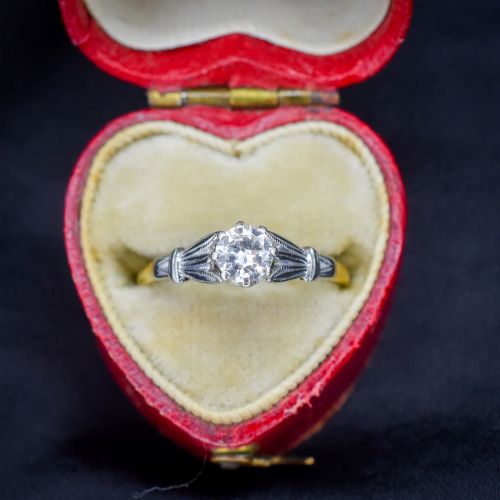
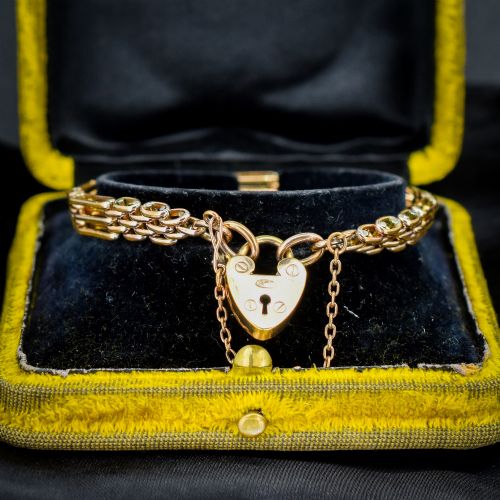
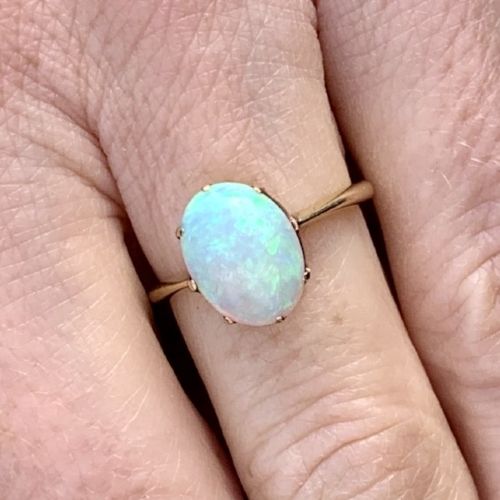
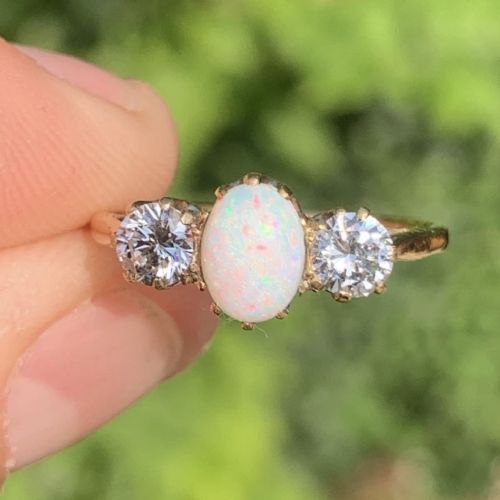
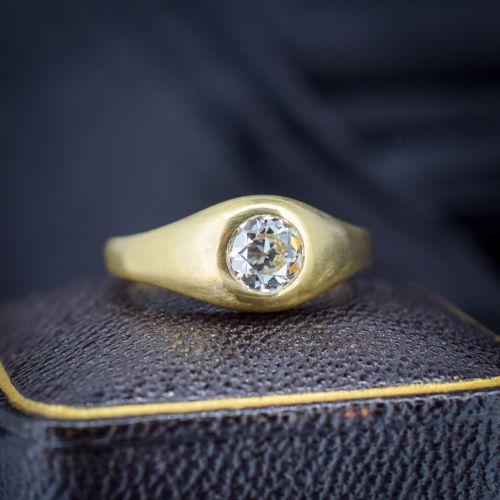
Items matching antique 18ct gold span objects made primarily from this alloy, taking forms such as cluster rings, solitaire rings, dress rings, trilogy rings, and boat rings. Beyond finger adornment, the selection includes brooches, pendants, necklaces, earrings, cufflinks, bracelets, and watch chains.
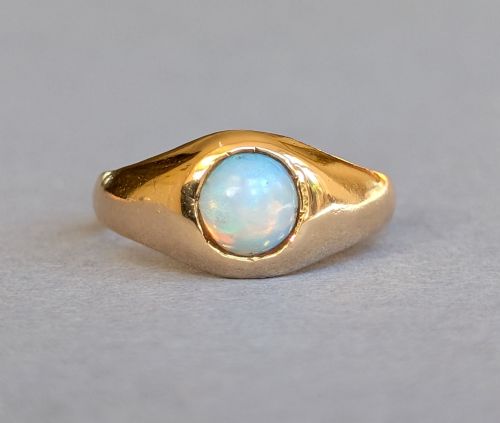
The objects originate across periods ranging from the nineteenth century through the Edwardian era, Art Deco years, and mid-century. Makers utilised the metal alongside platinum settings, incorporating gemstones like diamonds, sapphires, rubies, emeralds, opals, spinels, and garnets.
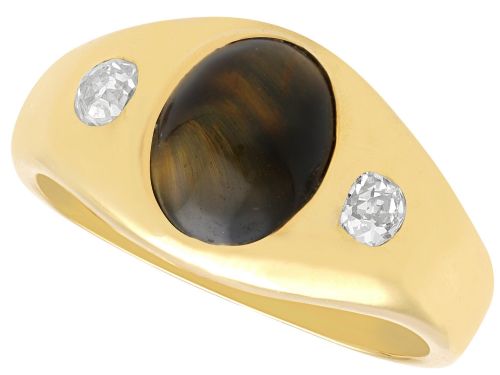
Buyers frequently encounter cluster rings and diamond-set dress rings from the early decades of the twentieth century. These pieces often pair yellow or white gold with old-cut diamonds and coloured stones, reflecting the shifting tastes of Victorian, Edwardian, and Art Deco design.
How they were made
Goldsmiths worked with 18ct yellow, white, and rose gold, frequently combining the yellow or white metal with platinum to mount diamonds securely. Enamel work, granulation, and specialised stone-cutting techniques such as old-cut faceting were applied to create dimensional depth in brooches, pendants, and rings.
Construction methods relied on hand fabrication, casting, and bezel or claw setting to secure gemstones including sapphires, rubies, and pearls. Links for watch chains and necklaces were individually formed and joined with functional elements like dog clips and bolt rings.
Antique 18ct Gold Retail Price Guide 2026
Typical asking prices for 18ct gold among the pieces listed under this phrase on Sellingantiques today, from the lower quarter to the upper quarter. They describe what is for sale here now, not the wider market.
Materials paired with 18ct gold include diamonds, sapphires, rubies, emeralds, pearls, enamel, and platinum settings.
What varies in quality
Quality in these items is determined by the precision of the stone setting, the crispness of hand-applied details such as enamel or engraving, and the structural integrity of the gold work. Superior examples exhibit harmonious proportions between the central gemstones and the supporting metal framework.
The distinction between standard production and exceptional work lies in the selection of matched, high-clarity stones, the weight and durability of the 18ct gold substrate, and the preservation of original clasps, links, and maker signatures.
Garrard and Co·Louis Francois Tronquoy
The Antique 18ct Gold Glossary
- 18ct gold
- An alloy containing seventy-five percent pure gold, balanced with other metals to provide durability and distinct colour variations including yellow, white, and rose.
- Old-cut diamond
- A hand-faceted diamond cut before the standardisation of the modern brilliant cut, typically featuring a smaller table and higher crown.
- Navette cluster
- A boat-shaped cluster setting designed to elongate the appearance of a ring upon the finger.
- Trilogy ring
- A ring set with three prominent stones, often interpreted to represent the past, present, and future.
- Shakudo
- A Japanese metal alloy of copper and gold treated to produce a dark blue-black patina, often used for decorative plaques and cufflinks.
- Trombone link
- A distinctive rectangular watch chain link construction resembling the slide of a trombone.
Antique 18ct Gold: Frequently Asked Questions
How do I identify 18ct white gold from platinum?
Distinguishing between 18ct white gold and platinum relies on hallmarks and the natural tone of the metal. Platinum typically displays a denser weight and a brighter, cooler silver appearance, whereas white gold may show a slightly warmer hue beneath rhodium plating.
Hallmarks stamped into the metal provide definitive identification. British items display crown and carat marks, while platinum carries distinct statutory stamps.
How should I care for antique gold jewellery?
Caring for antique jewellery requires gentle handling due to the age of the settings and the delicacy of softer gemstones like opals and pearls. Cleaning should be restricted to warm soapy water and a soft brush, avoiding harsh ultrasonic cleaners that can dislodge stones.
Storage in individual soft pouches prevents friction against other pieces, preserving delicate metalwork, enamel, and claw settings from unnecessary wear.
What is a boat ring?
A boat ring is a traditional Victorian ring style featuring a curved, marquise or navette outline that arches gently across the finger. The setting typically showcases a row of graduated stones secured within a low profile.
This design protects the gems while offering a substantial visual presence on the hand, making it a popular choice for engagement and dress rings of the period.