




Antelope Wall Mount
These antelope wall mount pieces bring natural history presence into a room, offering striking horns and preserved hides from the late Victorian and Edwardian eras.
Antelope Wall Mount
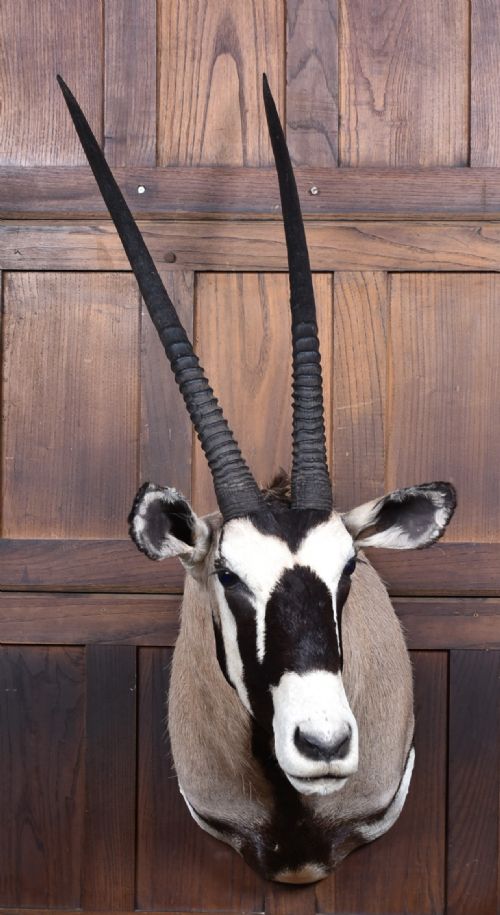
An antelope wall mount presents taxidermy heads and horn trophies from species such as the Thomson's gazelle, gemsbok, waterbuck, springbok, bushbuck, sable antelope, kodo, hartebeest, and oryx. These specimens span the Victorian, Edwardian, and early twentieth-century periods, capturing the sporting and natural history aesthetics of Highland hunting lodges.
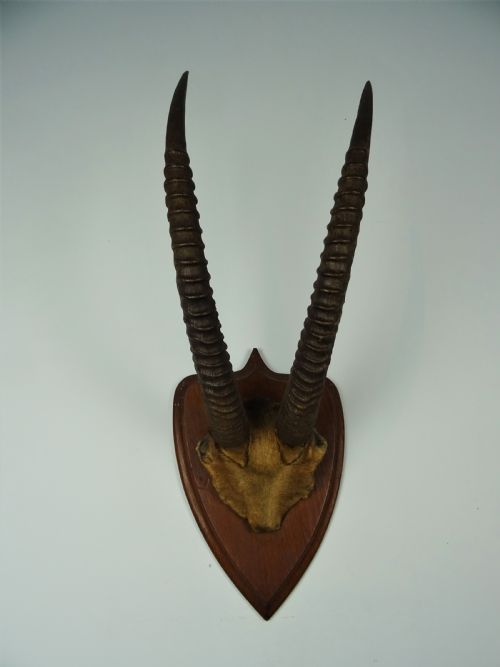
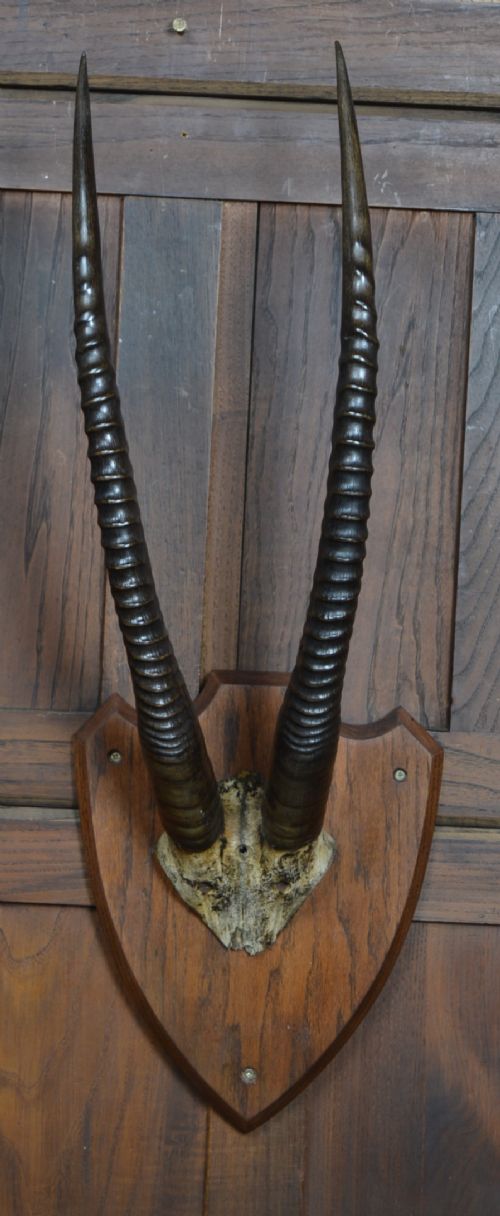
Buyers most frequently encounter Edwardian examples and pieces dated around 1900 to 1920, often mounted on wooden shields. The forms range from full head mounts with natural hide and glass eyes to horn-only trophies fixed to wooden backings.
How they were made
Taxidermists of the period prepared these mounts using traditional methods combining taxidermy hide, bone, and natural horn fitted with glass eyes. Artisans shaped internal forms to support the skin and preserve the natural posture of the animal.
Antelope Wall Mount Retail Price Guide 2026
Typical asking prices for antelope wall mount among the pieces listed under this phrase on Sellingantiques today, from the lower quarter to the upper quarter. They describe what is for sale here now, not the wider market.
Every mounted antelope keeps a glassy, eternal watch over the room from behind its Edwardian oak shield.
What varies in quality
Quality rests upon the preservation of the hide and the natural condition of the horn and bone structures. Superior examples maintain realistic glass eyes and clean, well-conditioned hair without excessive shedding or fading.
The craftsmanship of the taxidermy work and the quality of the wooden mounting shield distinguish finer pieces. Named makers with documented studio histories also elevate the standing of a trophy within the natural history field.
Edward Gerrard and Sons
The Antelope Wall Mount Glossary
- Glass eyes
- Artificial eyes inserted into taxidermy heads to achieve a lifelike appearance. They replace the natural eyes which do not retain their appearance after preservation.
- Taxidermy trophy
- A head or horn mount collected from sporting or natural history pursuits. They were traditionally displayed in hunting lodges and libraries.
- Edwardian
- Pertaining to the period from 1901 to 1910, marked in these pieces by specific styles of taxidermy and sporting display. Pieces from this era often feature detailed wooden shields.
Antelope Wall Mount: Frequently Asked Questions
What species are these?
The selection includes Thomson's gazelle, gemsbok, waterbuck, springbok, bushbuck, sable antelope, koodoo, Coke's hartebeest, and oryx.
These African and exotic species were mounted during the late Victorian and Edwardian periods.
How are they mounted?
Most specimens are fixed to wooden shields, typically made of oak, designed for hanging directly on a wall.
Some pieces consist solely of horn trophies mounted on wooden backings rather than full head taxidermy.
What periods do they come from?
The pieces date primarily from the early twentieth century, specifically between 1900 and 1920, alongside Edwardian examples.
Some specific items carry precise dates from this era, such as 1898 and 1909.
How do I care for a mount?
Keep the taxidermy hide and natural horn away from direct sunlight and damp conditions to preserve the materials.
Gentle dusting with a soft brush helps maintain the condition of the hair and glass eyes over time.