


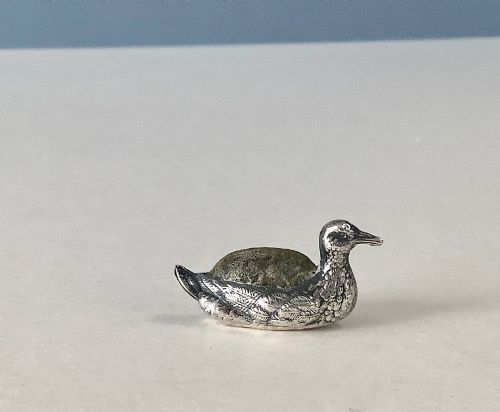


Animal Novelty Desk Accessory
These animal novelty desk accessory pieces combine utilitarian writing gear with charming creature forms, bringing personality to any desktop.
Animal Novelty Desk Accessory
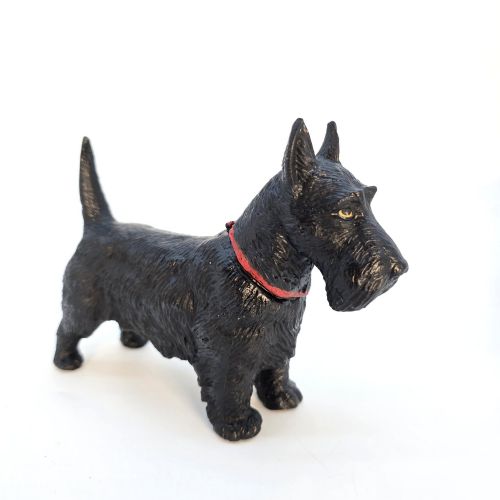
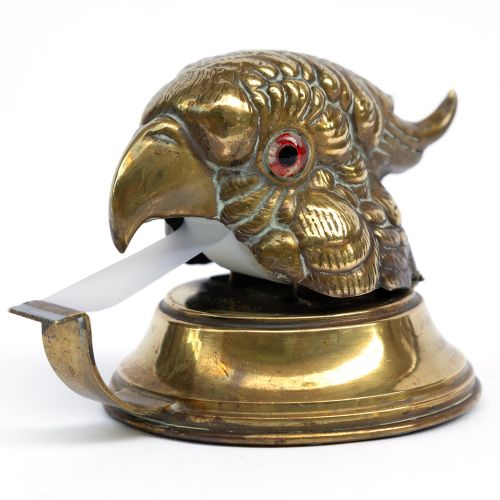
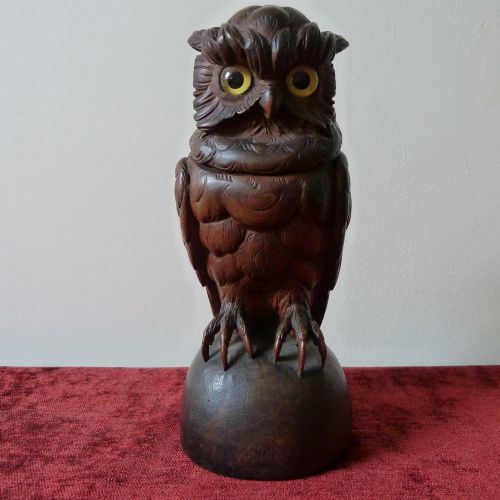
An animal novelty desk accessory transforms functional workspace items like inkwells, bookends, and tape dispensers into sculpted creature figures. These pieces range from Victorian brass owls to Art Deco bamboo dogs and hand-painted table lighters.
The selection on this page draws heavily from the late nineteenth and early twentieth centuries, spanning periods from the Victorian era through the Edwardian years and into the 1920s. Common forms include figural inkwells with glass eyes, miniature pin cushions shaped like foxes and ducks, and mechanical desk bells.
Makers utilised various animals, capturing birds, dogs, and farm beasts in materials that suited both domestic desks and professional studies. The domestic writing desk thus became a display ground for miniature sculpture masked as stationery equipment.
Materials and construction methods
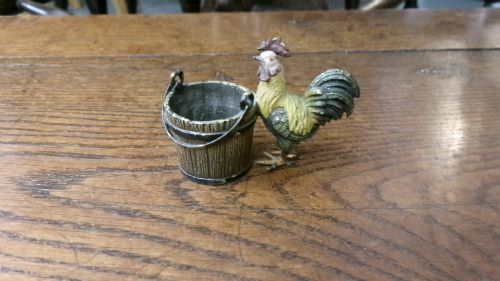
Metalwork dominates the selection, utilising cast brass, bronze, silver, and gilt metals to form durable bodies for inkwells, bookends, and bells. Many bronze pieces feature cold-painted finishes, where pigment was applied directly to the metal surface without high-temperature firing.
Carved wood represents another primary medium, particularly seen in Black Forest items fashioned from linden wood to portray cats, owls, and dogs. Glass elements frequently accompany these designs, serving as inkwell inserts, crystal reservoirs, or inset eyes that lend realism to the sculpted animals.
Listings feature items from the Victorian and Edwardian eras alongside 1920s Art Deco pieces, formed in bronze, brass, silver, and carved linden wood.
Quality variations in animal desk pieces
Detail and expression dictate the standing of an animal novelty desk accessory, distinguishing spirited modelling from rigid mass production. Skilled carvers and metalworkers captured distinct anatomical postures and playful expressions, such as a fox dressed in a nightgown or a bird clutching a bucket.
The integration of materials also separates standard items from superior examples, such as the inclusion of original glass eyes in cast bronze models or finely preserved cold-painted polychrome surfaces. Superior pieces maintain their original glass inserts and mechanical components, reflecting the workshop standards of their period of origin.
The Animal Novelty Desk Accessory Glossary
- Cold-painted bronze
- A technique where bronze sculptures are painted with unfired cold enamel colours. This method requires careful handling to preserve the delicate pigment layers over time.
- Black Forest carving
- Woodwork originating from the mountainous region of central Europe, typically executed in linden wood. Animal subjects like bears, dogs, and cats form the primary focus of this sculptural tradition.
- Inkwell
- A small container for holding liquid ink, placed on a desk for dipping pens. In novelty formats, the container is housed within an animal sculpture.
- Table lighter
- A mechanical device designed to provide a flame, styled for tabletop use. Examples in desk accessories often take the form of painted metal animals.
- Pin cushion
- A small stuffed pad used for holding pins safely during sewing. Novelty versions used precious metals and shaped animal silhouettes for desk display.
Animal Novelty Desk Accessory: Frequently Asked Questions
What is an animal novelty desk accessory?
These objects are functional workspace items moulded or carved into the shapes of creatures. They combine everyday utility with sculptural art.
Items commonly include inkwells, tape dispensers, pen wipes, and bookends designed to bring character to a writing table.
How were cold-painted bronzes made?
Sculptors cast the animal figures in bronze and applied layers of paint without heat firing. This technique allowed for vivid colouration.
Makers often employed this method in Austrian workshops to create expressive figures like birds, dogs, and rhinoceroses.
Where did Black Forest carved pieces originate?
Carvings associated with this style emerged from European forest regions, particularly utilising local linden wood. Artisans specialised in realistic animal forms.
Cats, dogs, and owls frequently appeared as hinged inkwells or desk ornaments within this tradition.
How do I care for antique desk accessories?
Protect metal finishes and carved wood by keeping items away from direct sunlight and moisture. Dust gently with a soft dry cloth.
Avoid chemical polishes, particularly on cold-painted surfaces, to maintain the original colouration and patina.