



Ancestral Portrait Art
Ancestral portrait art brings centuries of lineage and character into a room through oil on canvas and framed scrolls.
Ancestral Portrait Art
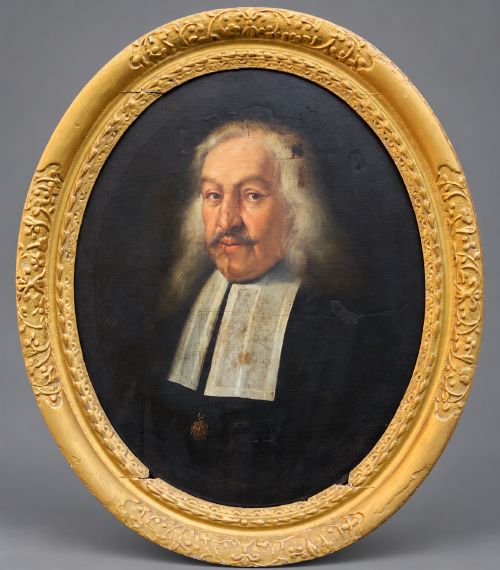
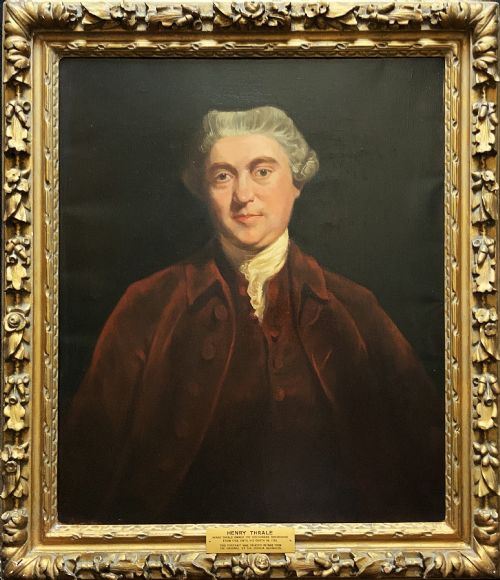
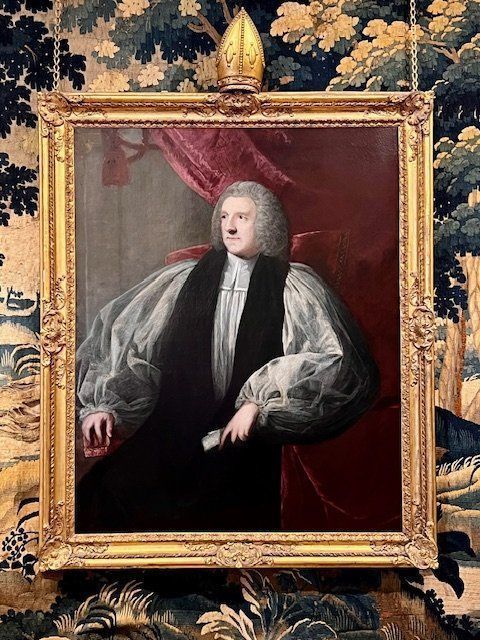
Ancestral portrait art captures previous generations, nobility, and family members through formal oil paintings and painted scrolls. When searching this phrase, buyers encounter works spanning from the seventeenth century through the twentieth century.
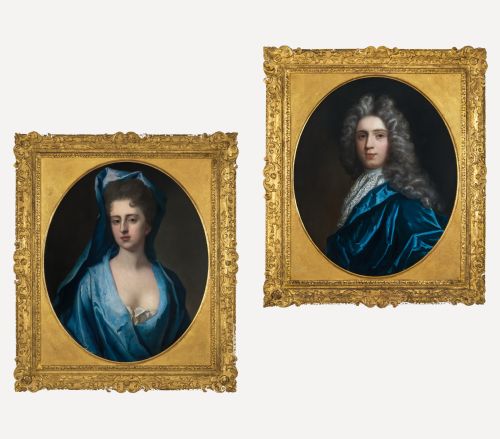
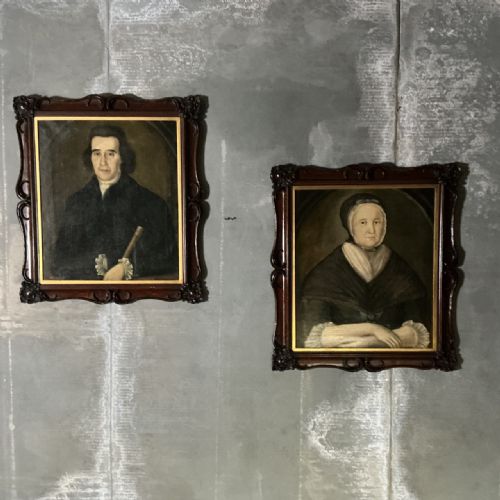
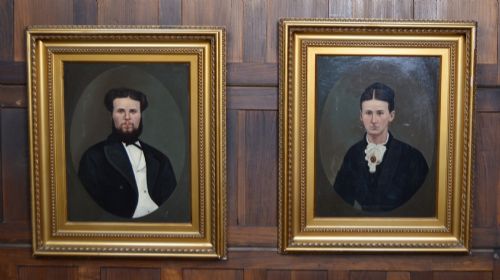
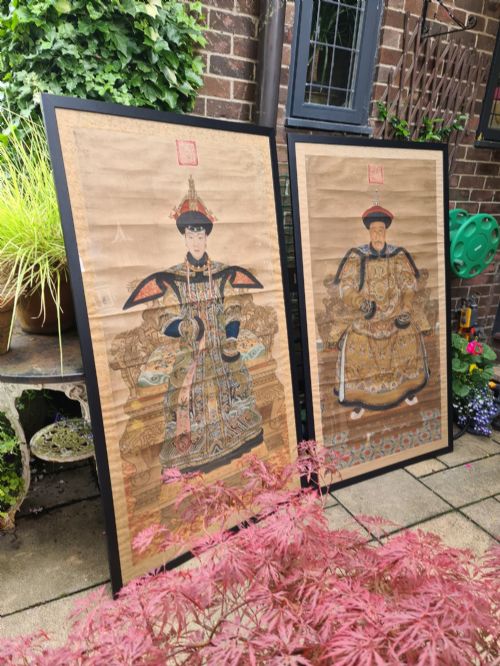
The selections on this page feature British school oils, Dutch marriage portraits, and Chinese ancestor groups. Pairs of gentleman and lady portraits appear frequently alongside large framed scrolls.
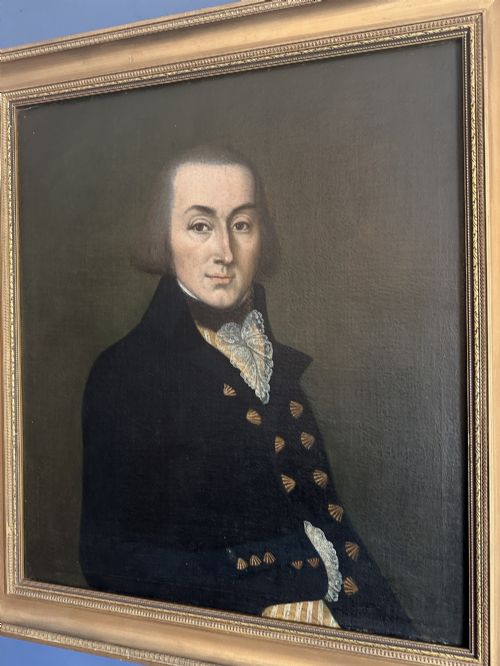
Subjects range from named baronets and archbishops to anonymous sitters in naval jackets and Regency attire. These works bring historical presence and layered stories into domestic spaces.
Judging Quality
The integrity of the original canvas, the presence of period or original frames, and the degree of historical documentation elevate specific works. Workshop copies and later interpretive versions differ in handling from primary contemporary portraits.
Ancestral Portrait Art Retail Price Guide 2026
Typical asking prices for ancestral portrait art among the pieces listed under this phrase on Sellingantiques today, from the lower quarter to the upper quarter. They describe what is for sale here now, not the wider market.
Object types recorded across the inventory include oil paintings, framed wall art, and Chinese ancestral scrolls.
Michael Dahl·Thomas Murray·Sir Joshua Reynolds·Thomas Beach
The Ancestral Portrait Art Glossary
- Oil on canvas
- Pigments bound in a drying oil applied to a woven fabric support stretched over a wooden frame. This primary medium dominates historical European portraiture.
- Giltwood
- Wood carved and coated with gold leaf or metal powder to create a bright decorative frame. These frames often match the age of the canvas they enclose.
- Chinese ancestor scroll
- A hanging portrait created to honour family forebears within traditional lineage practices. These pieces use fabric mounts and detailed pigment work.
- Attributed to
- A designation used when a work shows the style and hand of a specific master but lacks definitive documentation. It reflects scholarly consensus rather than a signed certainty.
- Regency
- The period of British history spanning the early nineteenth century defined by specific neoclassical aesthetics in furnishings and fine arts. Portraits from this era show distinct costume and hairstyle details.
Ancestral Portrait Art: Frequently Asked Questions
How do I date an ancestral portrait?
Dating relies heavily on the sitter's costume, hair styling, and the construction methods of the canvas and stretcher frame. Portrait sitters dressed according to strict contemporary fashions that help narrow the decade.
Frame styles also offer reliable clues, as original frames were constructed concurrently with the paintings they house. Expert attribution and inscriptions on the reverse provide further chronological context.
Are pairs of portraits common?
Pairs representing a husband and wife or matched family members appear frequently in historical portraiture. Commissioned sets maintained balance and symmetry within grand domestic interiors.
Finding surviving pairs together remains a desirable outcome for collectors seeking complete historical pairings. These sets often share matching frames and provenance.
How should I hang oil portraits at home?
Hang oil portraits securely using appropriate wall anchors matched to the substantial weight of large giltwood frames. Position them away from direct sunlight and dramatic temperature fluctuations to protect the canvas and paint layers.
Traditional rooms suit these works best, where their formal presence anchors sitting spaces and hallways. Proper eye-level placement ensures the subject engages viewers naturally.
What is the difference between British and Chinese ancestral art?
British ancestral art utilises oil paint on stretched canvas or wood panels, framed in ornate giltwood. These works emphasise individual European portraiture and formal status.
Chinese ancestral art typically employs scroll formats designed for lineage veneration and ceremonial display. Both traditions serve to commemorate forebears but utilise distinct cultural iconography and materials.