

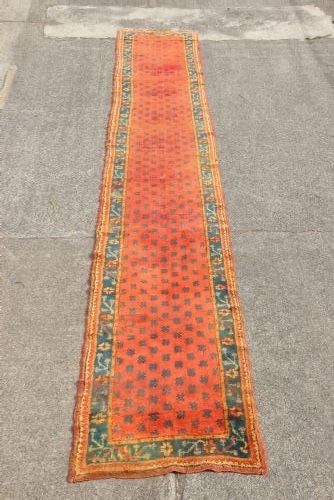
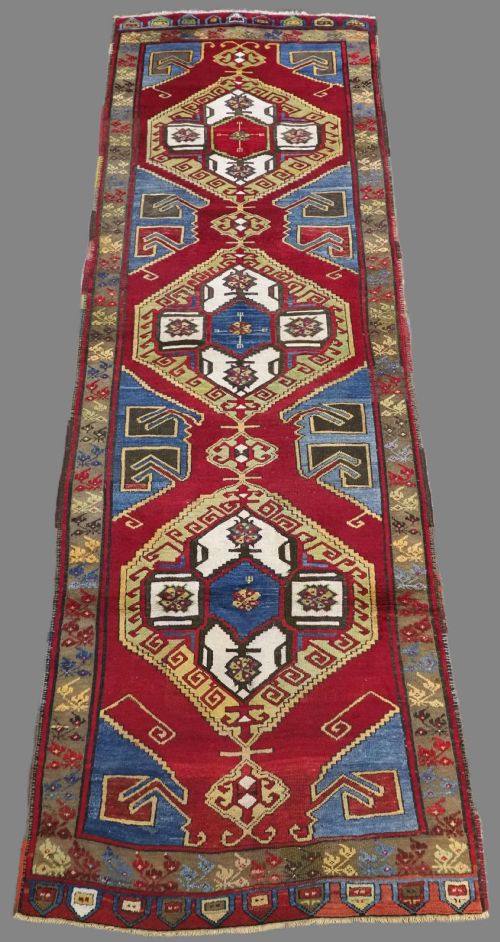


Anatolian Hallway Carpet
An anatolian hallway carpet brings enduring warmth and genuine village character to a long interior space.
Anatolian Hallway Carpet
An anatolian hallway carpet typically takes the narrow, elongated form of a runner, designed to bridge spaces in traditional homes. These pieces are sourced directly from Turkish traditions, spanning several decades from the late nineteenth century into the early twentieth century.
Makers historically produced these textiles using robust structural foundations suitable for heavy domestic traffic. Each piece carries the distinct geometric or floral vocabulary of its specific Anatolian district.
Materials and Construction
The construction relies entirely on natural fibres, combining wool pile with cotton foundations to form a durable textile. Wool provides the surface resilience necessary for a hallway carpet, while cotton contributes structural stability to the warp and weft.
Weavers employed traditional hand-knotting techniques across these village workshops, integrating flatweave kilim sections in certain mixed constructions. Natural dye traditions supplied the palette, binding the wool fibres securely through generational recipes.
Some runners sneakily combine pile knotting with flatweave kilim ends, as though the weaver simply changed their mind halfway through.
Assessing Quality and Character
Quality rests in the integrity of the wool, the precision of the tribal motifs, and the depth of the natural dye palette. Superior examples demonstrate a balanced proportion in their narrow formats alongside firm, resilient knotting.
Surface wear alters the visual weight of the carpet, where even patination enhances the character of an older piece. The strength of the foundational weave determines how well the textile holds its shape along extended dimensions.
The Anatolian Hallway Carpet Glossary
- Runner
- A long, narrow carpet format specifically proportioned for corridors, hallways, and staircases. This shape accommodates restricted floor spaces while providing warmth.
- Kilim
- A flatweave textile produced without a pile by tightly interweaving warp and weft threads. Certain hybrid pieces combine these flatweave elements with knotted pile sections.
- Warp
- The vertical foundation threads stretched tightly on the loom before knotting begins. Cotton supplies the primary structural strength for these foundational elements in the listed pieces.
- Weft
- The horizontal threads passed through the warp alternatingly to lock the knots in place. This technique creates the solid structural grid characteristic of traditional Turkish weaving.
Anatolian Hallway Carpet: Frequently Asked Questions
How do I measure for a hallway carpet?
Measure the clear floor space of your corridor, leaving an equal margin of exposed wood or stone around the perimeter. Account for door clearance to ensure the rug does not obstruct movement.
Verify the maximum length possible without blocking entrances or extending awkwardly into adjacent rooms. Narrow formats work well when centred precisely within the walkway.
Are these carpets suitable for heavy traffic?
Traditional village carpets utilise dense wool pile and sturdy cotton foundations built to endure daily domestic use. Hallways experience constant movement, making these resilient textiles a practical choice.
Positioning a quality underlay beneath the carpet prevents slippage and absorbs impact, extending the functional lifespan of the fibres.
How do I care for an antique runner?
Vacuum the carpet gently on a low setting without a rotating brush roll to protect the aged wool pile. Professional cleaning suited to antique textiles preserves the natural lanolin in the wool.
Rotate the runner periodically to distribute foot traffic evenly across the surface and prevent uneven wear patterns.
What defines an Oushak runner?
Oushak pieces originate from a renowned Turkish weaving centre known for softer colour palettes and larger-scale floral motifs. These carpets often display a more relaxed drawing style compared to geometric village rugs.
The wool utilised in these pieces tends to feel lustrous, contributing to a distinctive surface texture in hallway settings.