

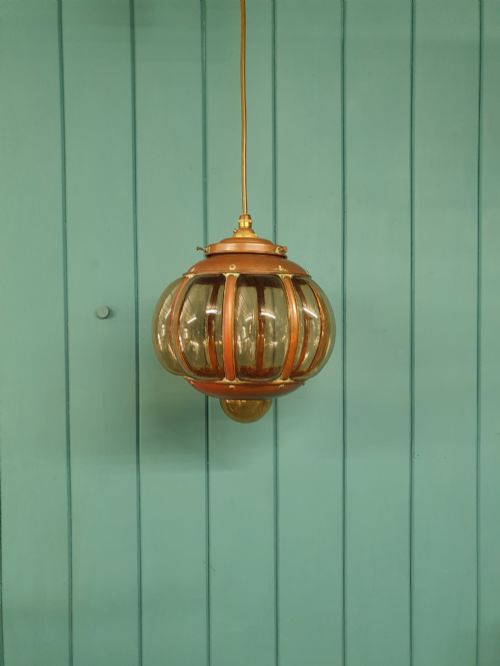


Amber Shade Lamp
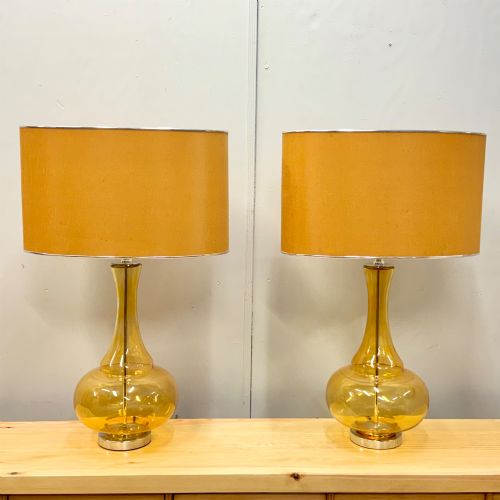
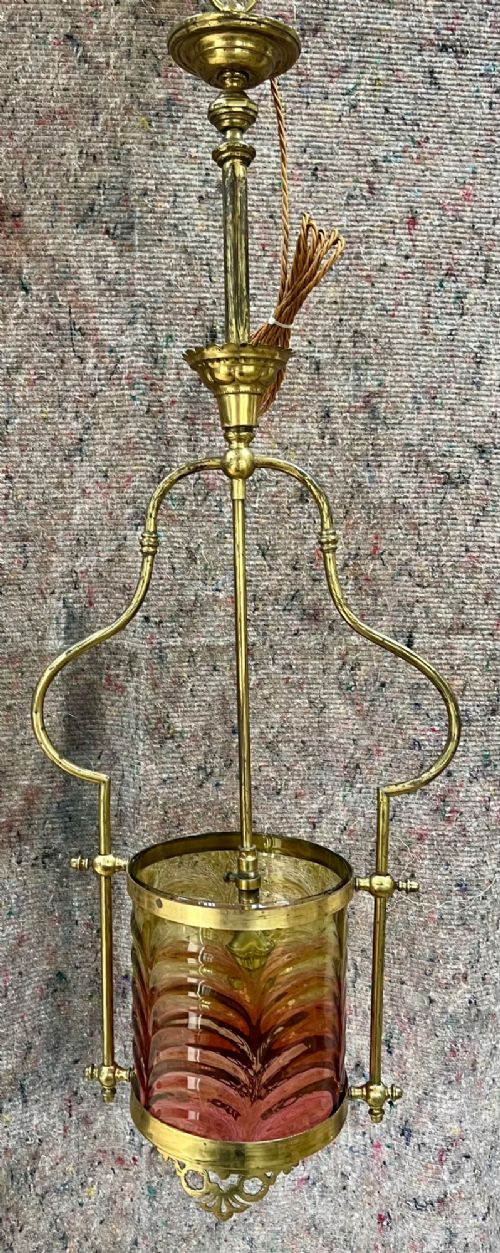
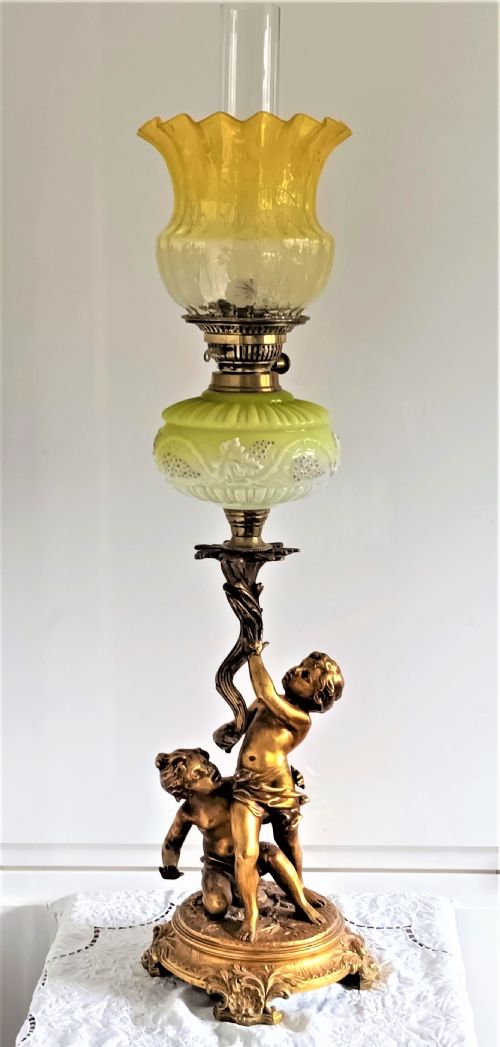
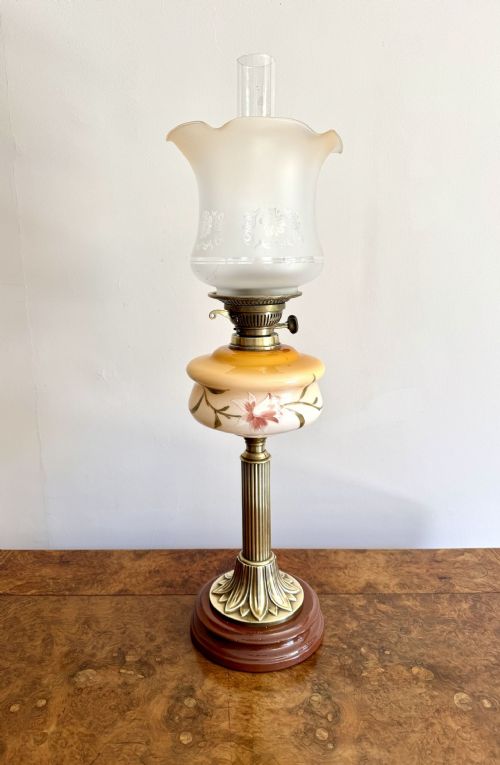
Amber shade lamp designs bring a warm, inviting glow to a room, ranging from Victorian oil burners to sleek Art Deco ceiling fixtures.
Amber Shade Lamp
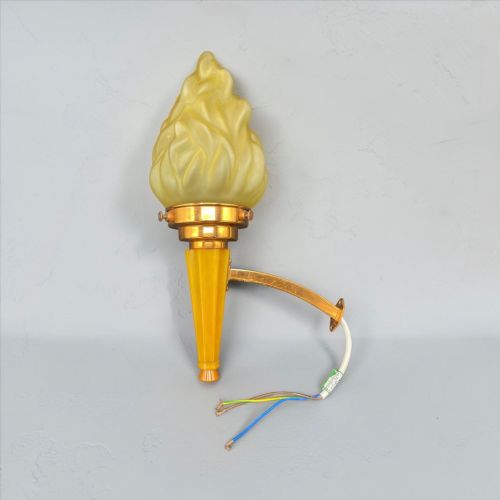
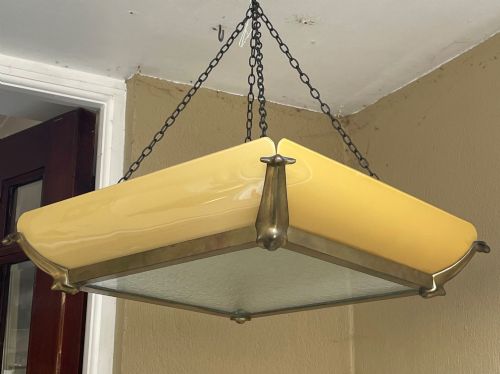
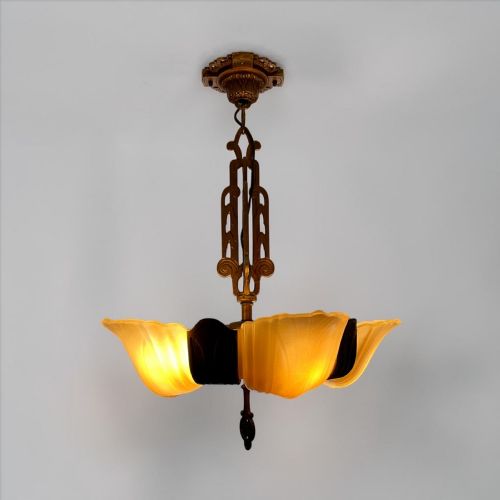
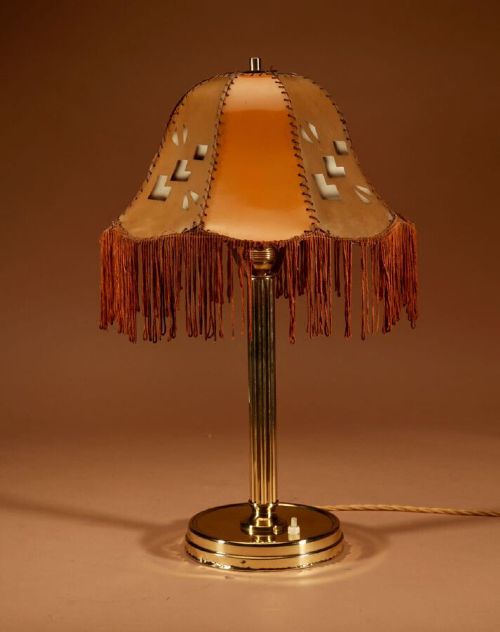
An amber shade lamp unites functional illumination with distinctive coloured glass, appearing across table lamps, oil lamps, ceiling lights, and wall sconces. Buyers searching for an amber shade lamp encounter pieces originating from the nineteenth century through the Edwardian era and into the 1930s.
The selection on this page demonstrates various stylistic expressions, most notably Art Deco and Art Nouveau alongside Victorian and Edwardian examples. Forms range from heavy brass table lamps and hall lanterns to delicate hanging pendants and flush ceiling lights.
Table lamps and hanging lights dominate the offerings, often pairing amber glass or frosted glass shades with structural elements in brass, cast metal, and wrought iron. Certain items integrate fabric or silk elements alongside the primary glass components.
Materials and construction
Makers utilised durable metals such as brass, copper, cast metal, and wrought iron to form the structural bodies, bases, and mounts of these lights. These metals provide the necessary weight and rigidity to support glass shades and internal wiring or oil reservoirs.
Glass forms the central decorative and functional component, utilised in plain, frosted, etched, smoked, or amber configurations for shades, domes, and slip shades. Artisans shaped these glass elements through moulding, blowing, or acid-etching to diffuse light and display rich colour tones.
Listings feature items spanning the 19th Century, Edwardian period, 1900, 1910, 1920, and 1930, utilising brass, glass, frosted glass, cast metal, amber glass, metal, leather, and fabric.
Assessing quality and craftsmanship
The standard of metalwork distinguishes finer examples, visible in crisp casting details, patinated brass surfaces, and substantial gauge copper or wrought iron. Superior pieces display thoughtful integration between the metal armature and the glass shade, ensuring secure mounting and balanced proportions.
Glass quality varies according to depth of colour, consistency of thickness, and the complexity of surface treatments like etching or moulding. Pieces featuring specialised glass production techniques or intact matching components demonstrate higher craftsmanship.
The Charles Parker Company·Verrerie Des Vosge·Daum
The Amber Shade Lamp Glossary
- Slip shade
- A moulded glass shade designed to fit into a metal frame or multi-light fixture, commonly seen in Art Deco designs. These pieces slot directly into place rather than hanging from traditional chains.
- Art Deco
- A design style spanning the 1920s and 1930s characterised by geometric forms, stylised motifs, and streamlined silhouettes. It represents a significant proportion of the twentieth-century lighting on this page.
- Flush ceiling light
- A light fixture mounted directly against the ceiling surface without a drop chain or stem. These fit closely overhead to provide direct ambient room illumination.
Amber Shade Lamp: Frequently Asked Questions
How do I date an amber shade lamp?
Dating relies on stylistic markers and material combinations, such as heavy ornamentation on nineteenth-century Victorian pieces versus geometric lines on 1930s Art Deco items. Manufacturers often integrated specific hardware and glass moulding techniques characteristic of their decade.
Examining the construction methods of the metal base and the wiring or oil burner mechanism provides additional clues to the era of manufacture.
Were these originally oil lamps or electric?
Many older examples started life as oil lamps with brass reservoirs and chimneys before being converted to electricity during later decades. Edwardian and nineteenth-century pieces frequently retain elements of their original fuel-burning apparatus alongside modern wiring.
Art Deco and later twentieth-century designs were typically manufactured specifically for electrical use from the outset.
Can I use modern bulbs in these lamps?
Modern LED or incandescent bulbs function effectively inside antique and vintage shades provided the bulb size fits the physical dimensions of the glass. Care must be taken to match the wattage limits appropriate for older glass and original internal fittings.
Consulting a professional electrician ensures that converted oil lamps or vintage brass fixtures meet current safety standards for daily domestic use.
How should I clean an amber glass shade?
Cleaning requires gentle handling with a soft cloth and mild soapy water to preserve the surface finish of the glass and any underlying metal patina. Harsh chemical cleaners must be avoided, particularly on frosted, etched, or coloured glass surfaces.
Removing the shade from the metal mount prior to cleaning prevents accidental damage to fragile fittings or older screws.