


Aged Brass Lamps
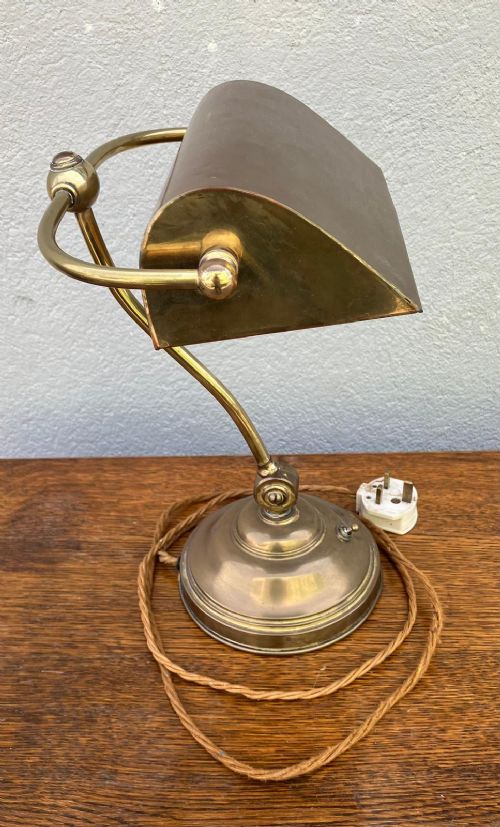
These aged brass lamps bring character and illumination to a room, spanning styles from Edwardian to Art Deco and industrial designs.
Aged Brass Lamps
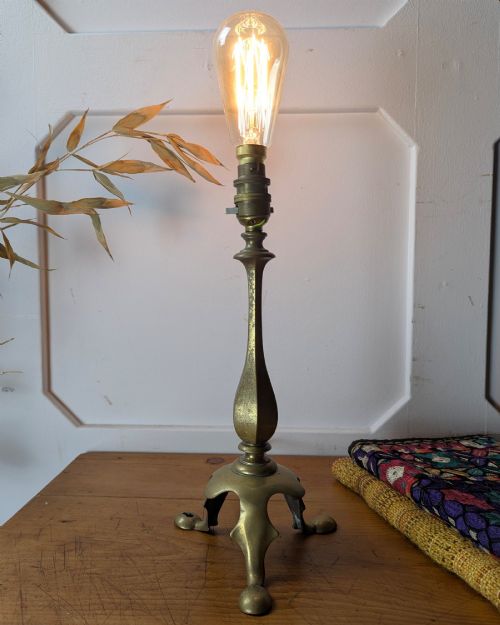
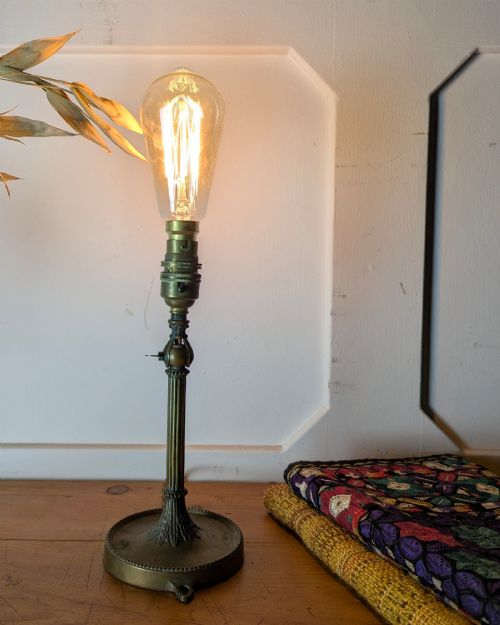
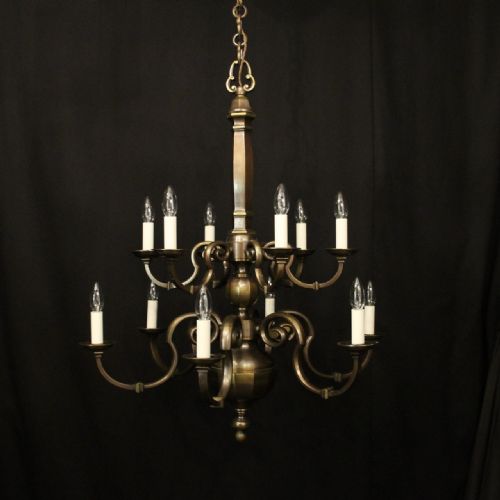
When you search for aged brass lamps, you encounter a diverse selection of lighting fixtures fashioned primarily from brass and bronze, often paired with glass or fabric elements. The examples available range from compact desk lamps and hexagonal baluster table lamps to substantial floor lamp stands and multi-light chandeliers.
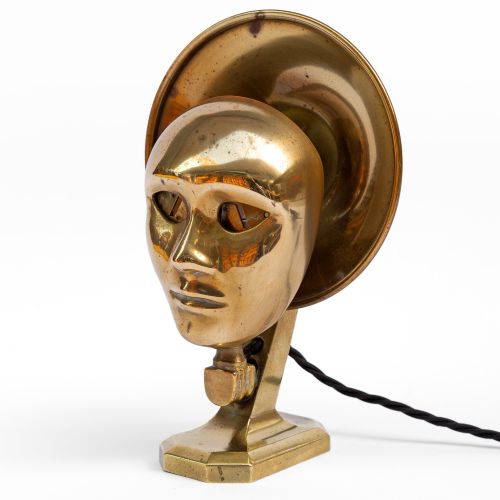
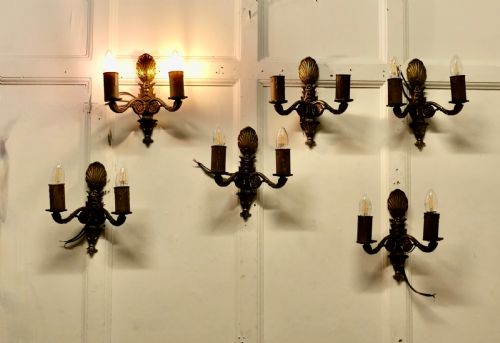
The pieces on this page draw from several distinct periods, most notably the Edwardian era, the 1920s, and the 1930s, alongside nineteenth-century designs. You will frequently find specific forms such as swing-arm wall lights, carriage lights, swan neck lamps, and modernist table lamps inspired by early cinema.
How They Were Made
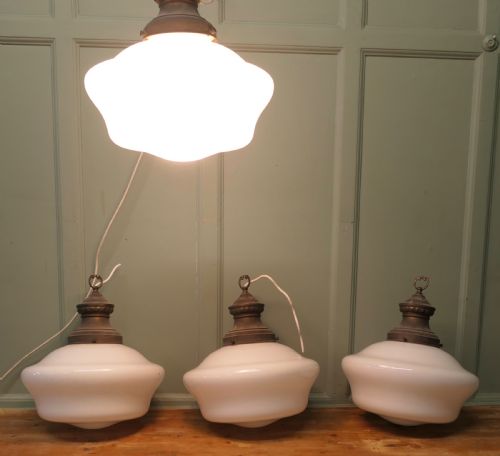
Makers utilised cast and sheet brass, bronze, and occasionally cast iron to form the structural bodies of these lamps, sometimes incorporating mercury mirrored glass or opal glass shades. Electrical components such as fabric flex appear on rewired modern and period pieces, while older wall and carriage lights were originally adapted for gas or candle use before conversion.
Surface finishes vary through natural oxidation and patination accrued over decades, alongside deliberate patination techniques applied during manufacturing to achieve an antique appearance. Construction methods combine heavy casting for stability with articulated joints and swivelling arms designed for practical utility.
Materials across these listings include brass, glass, fabric, cast iron, opal glass, fabric flex, bronze, and metal.
What Varies in Quality
The distinction between standard production items and superior examples lies in the weight of the metal casting and the crispness of decorative detailing, such as neoclassical motifs or French Empire stylings. Heavier gauge brass and solid bronze construction provide greater physical stability, particularly in tall floor lamp stands and large chandeliers.
Proportion and execution define the better pieces, whether in the balanced proportions of a twin wall light or the intricate joinery of an adjustable desk lamp. Original components, consistent patination across the fixture, and refined surface finishing elevate certain items above simpler utility lighting.
Rene Mathieu
The Aged Brass Lamps Glossary
- Baluster form
- A architectural shape resembling a turned pillar, featuring a bulbous lower portion tapering toward the top. This profile appears frequently on table lamp bases from the early twentieth century.
- French Empire style
- A neoclassical design vocabulary inspired by the decorative arts of the First French Empire, characterised by military motifs, classical urns, and restrained symmetry. It often manifests in formal wall lights and carriage lamps.
- Mercury mirrored glass
- Glass blown with a double-walled interior silvered using a mercury compound, creating a reflective, speckled appearance. This technique is common in pendant lights from the 1920s.
- Spelter
- An alloy of zinc and lead, sometimes cast and subsequently gilded or painted to imitate bronze. It provides a lighter and more malleable alternative for sculptural lamp bodies.
- Swan neck lamp
- A lighting fixture featuring a curved, tubular arm resembling a swan's neck, allowing the shade to project outward. This configuration is typical of industrial and task lighting.
Aged Brass Lamps: Frequently Asked Questions
Are these lamps safe to use with modern wiring?
Many period lighting fixtures have been updated or rewired to comply with contemporary electrical standards. Some listings explicitly note rewiring, ensuring they are ready for installation.
If a piece retains its original vintage wiring or fabric flex, it is advisable to have a qualified electrician inspect and test the components before regular daily use.
Can I use these lamps as the primary light source?
The suitability of these lamps as primary illumination depends entirely on the specific type and scale of the fixture. Multi-light chandeliers, large ceiling lights, and substantial floor lamps easily illuminate an entire room or substantial corner.
Smaller desk lamps, wall lights, and bedside table lamps function best as task lighting or accent pieces to create layered pools of light within a larger interior space.
What is the difference between brass and bronze lamps?
Brass is an alloy composed primarily of copper and zinc, yielding a bright golden hue that darkens gracefully into a rich patina over time. Bronze is primarily an alloy of copper and tin, offering a heavier weight and a deeper, more reddish-brown natural tone.
Both materials were utilised extensively across different periods, with bronze often reserved for more substantial or formal decorative fixtures like grand chandeliers.