




African Antelope Mount
These pieces of african antelope mount taxidermy bring historical natural history into domestic interiors with striking horn shapes and shoulder mounts.
African Antelope Mount
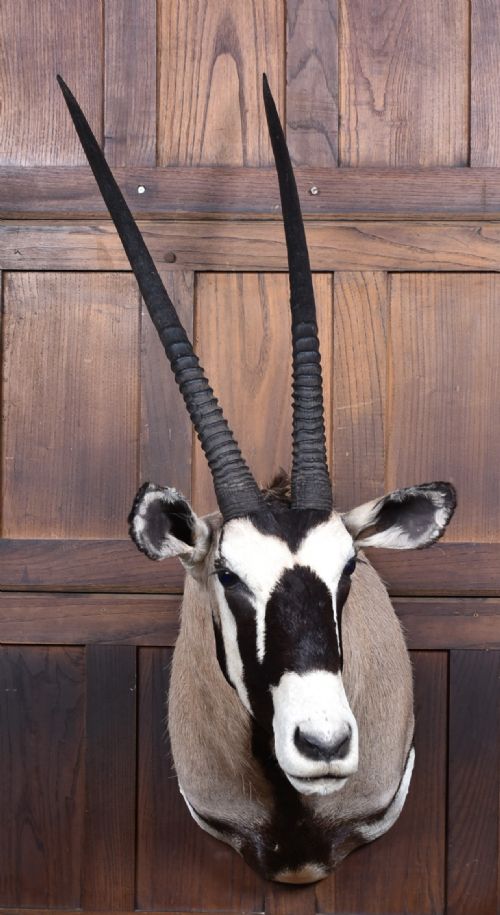
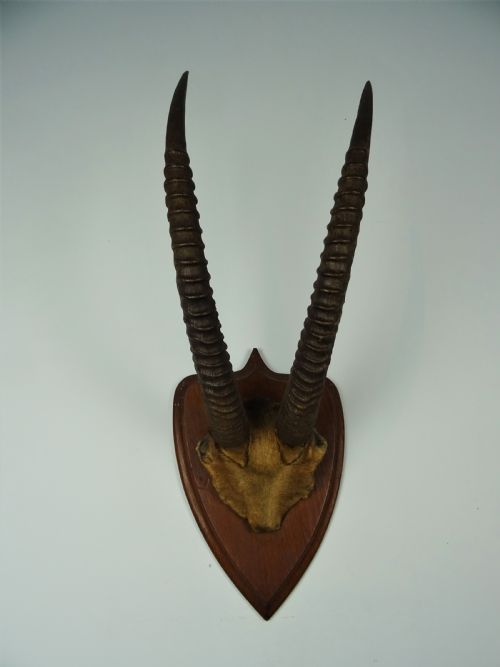
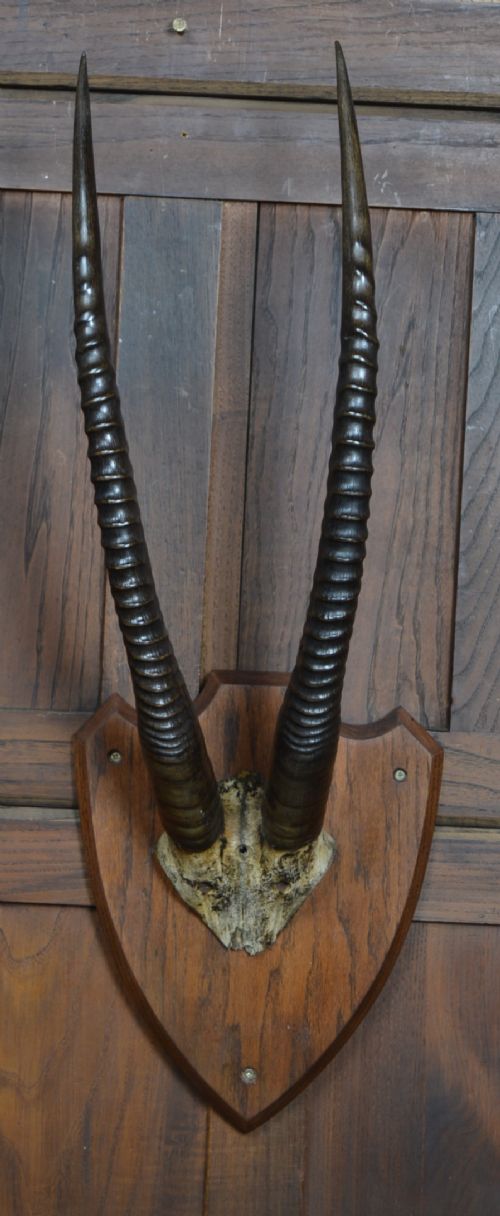
When you search for an african antelope mount, you encounter preserved specimens and horn trophies originating from the late Victorian and Edwardian periods. These pieces include full head mounts and horn arrangements mounted on wooden shields, reflecting the natural history and sporting tastes of those eras.
The selections available here showcase distinct species such as the springbok, gemsbok, waterbuck, bushbuck, sable antelope, kodo, hartebeest, and oryx. Most examples date from around 1900 to 1920, aligning with Edwardian sporting collecting habits.
Taxidermy items of this nature serve as dramatic wall decorations, utilising natural hide, bone, and glass eyes alongside original timber backings. They document historical exploration and trophy collection from African habitats.
How they were made
Taxidermists of the Edwardian and Victorian periods shaped natural hide over carved forms, incorporating glass eyes to achieve lifelike expressions. Horns and bone structures were cleaned and secured to wooden shields, often made of oak, for wall hanging.
Horn-only mounts rely on the natural ridged structure of the material, polished or left in a raw state, attached directly to carved wooden backings. The taxidermy hide requires careful curing and preservation to maintain its condition over decades.
African Antelope Mount Retail Price Guide 2026
Typical asking prices for african antelope mount among the pieces listed under this phrase on Sellingantiques today, from the lower quarter to the upper quarter. They describe what is for sale here now, not the wider market.
All dated examples on this page fall strictly within the Edwardian period and the early twentieth century.
What varies in quality
The realism of the taxidermy work and the symmetry of the horns determine the distinction between average and superior specimens. Skilled taxidermists captured the alert posture and anatomical accuracy of species like the springbok and bushbuck.
The condition of the natural hide and the integrity of the original wooden backing boards influence the overall standing of each piece. Maker attribution, such as work originating from established firms, adds documented provenance to the object.
Edward Gerrard and Sons
The African Antelope Mount Glossary
- Trophy head
- A taxidermy preparation consisting of the head and neck of an animal, usually displayed on a wooden shield for wall mounting.
- Glass eyes
- Artificial eyes inserted during the taxidermy process to recreate the living appearance of the animal.
African Antelope Mount: Frequently Asked Questions
What species appear in these mounts?
The listings feature various African antelopes including springbok, gemsbok, waterbuck, bushbuck, sable, koodoo, hartebeest, and oryx.
These represent the range of game sought during the Edwardian sporting era.
How do I hang these mounts?
Most pieces include a sturdy wooden backing board equipped with hanging fixings suitable for wall display.
Ensure the wall anchor supports the combined weight of the timber and the taxidermy.
How do I date these pieces?
Dating relies on stylistic markers from the Victorian natural history and Edwardian sporting periods, generally spanning from 1900 to 1920.
Specific dates sometimes appear on historical inscriptions or associated taxidermy labels.
What materials are used?
Common materials include natural hide, horn, bone, glass eyes, and oak backing boards.
These combined elements form the standard construction for historical taxidermy trophies.