
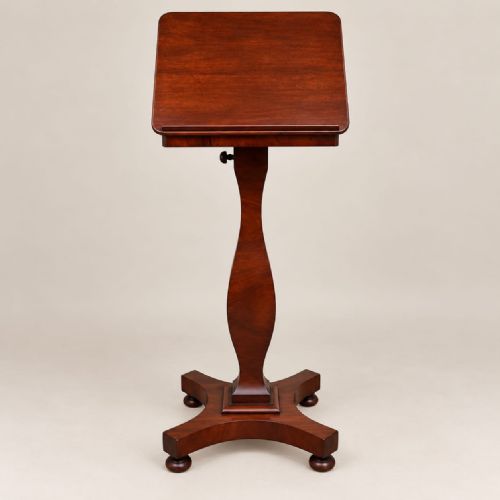
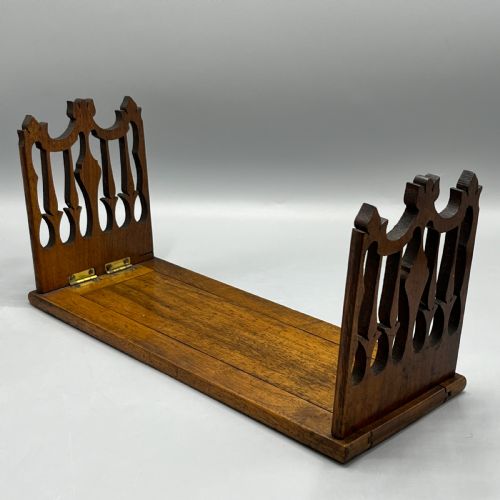
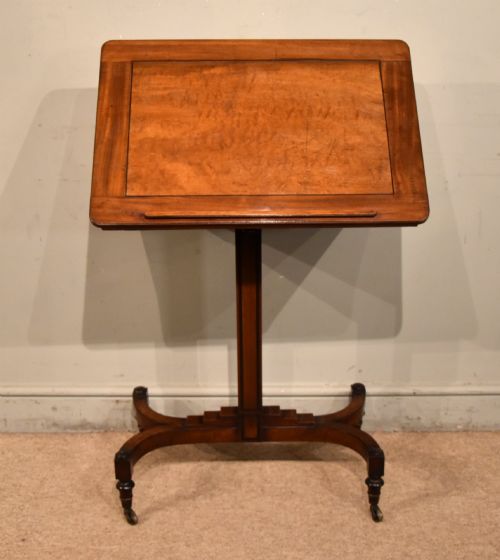
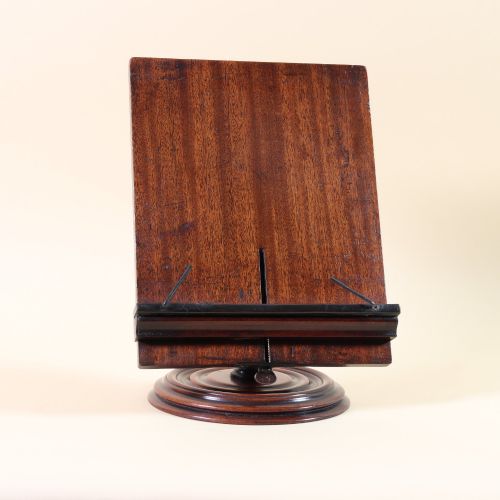



Adjustable Book Holder
An adjustable book holder keeps volumes at the right angle for reading, bringing Victorian and Edwardian craftsmanship directly to your desk.
Adjustable Book Holder
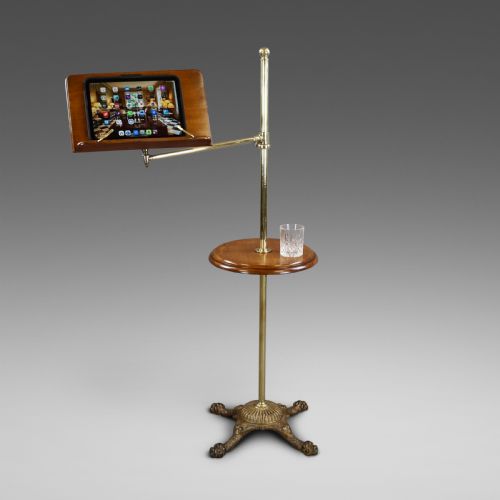
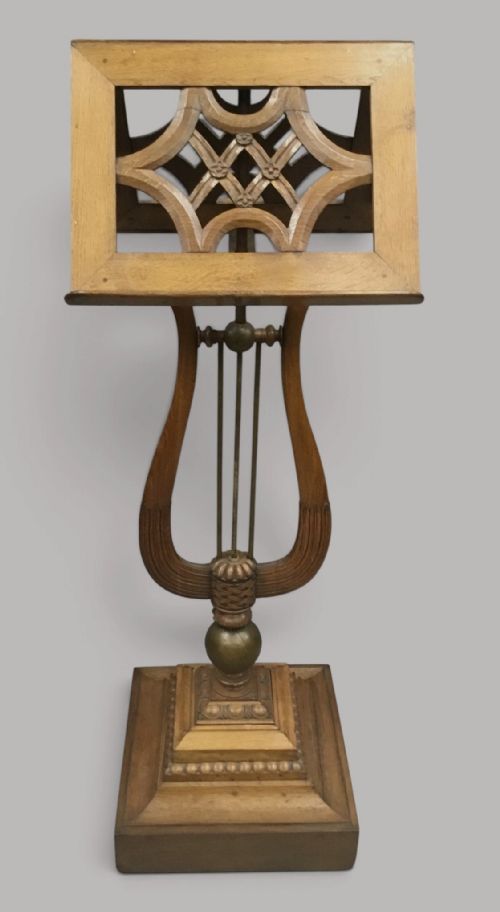
When searching for an adjustable book holder, buyers encounter a variety of practical reading furniture and desk accessories designed to support volumes at convenient angles. These pieces range from compact extending book slides that sit neatly on shelves to larger floor-standing music stands, lecterns, and reading tables.
The selections on this page predominantly date from the nineteenth and early twentieth centuries, spanning the Regency, Victorian, and Edwardian periods. Common variations include desktop book rests, tripod stands, and ingenious expanding slides that adjust to fit collections of differing lengths.
Originating as essential tools for study, music rooms, and libraries, these items combine mechanical ingenuity with traditional cabinetry. Buyers find both simple oak slides for everyday shelf use and elaborate rosewood, mahogany, or walnut reading stands featuring pivoting mechanisms.
Materials and construction
Makers utilised dense hardwoods such as mahogany, walnut, oak, and rosewood, often selecting timber with rich grain patterns to form the main reading surfaces and extending book slides. More decorative examples incorporate exotic woods like coromandel or subtle inlay work to enhance their visual appeal.
Functional metal components, including brass ratchets, hinges, and cast iron bases, provide the mechanical adjustments necessary for altering the height and angle of the reading rest. These moving parts are integrated directly into the timber or supported by sturdy metal columns and tripod legs.
Carpenters and cabinetmakers employed traditional joinery techniques to ensure that folding mechanisms and sliding channels operated smoothly without compromising the structural integrity of the stand. The combination of turned wooden shafts, pivoting book ledges, and metal fasteners reflects the mechanical focus of the period.
Listings feature items built from mahogany, oak, walnut, rosewood, brass, and cast iron across the Victorian, Edwardian, and Regency periods.
Assessing craftsmanship and condition
Quality in an adjustable book holder rests on the precision of its mechanical action and the selection of its timber. Superior examples feature smooth, well-engineered brass ratchets and sliding mechanisms that move without sticking or showing excessive looseness.
The choice of materials and the fineness of the cabinetwork distinguish finer pieces from standard workshop production. Robust secondary timbers, well-fitted joints, and uncompromised carved or turned details indicate a higher standard of manufacture.
The integrity of the adjusting mechanism determines the daily usability of the piece. Well-preserved retaining arms, steady tripod bases, and intact desktop ledges ensure the stand performs its original function securely.
The Adjustable Book Holder Glossary
- Book slide
- A desk accessory with expanding or sliding sections designed to hold a varying number of upright books between two ends.
- Lectern
- A slanted reading desk, often adjustable in height or angle, intended to support books or music sheets for a standing reader.
- Ratchet mechanism
- A mechanical device featuring a toothed bar and catch that allows the reading rest to be secured at multiple preset angles.
- Tripod stand
- A three-legged base configuration commonly used on freestanding reading tables and music stands to provide stability on uneven floors.
- Gonçalo Alves
- A dense, highly figured tropical hardwood sometimes utilised in nineteenth-century cabinetmaking for decorative emphasis.
Adjustable Book Holder: Frequently Asked Questions
What is an adjustable book holder used for?
These pieces support books, folios, or music sheets at comfortable reading angles for desks, tables, or freestanding use. They were designed to reduce strain during extended periods of study, reading, or performance.
Today, they serve both a practical function as desktop organisers or reading stands and a decorative role in traditional interiors.
How do extending book slides work?
Extending book slides feature interlocking wooden channels that pull apart or push together to accommodate a specific row of volumes. The movable ends keep the books upright without requiring fixed bookends.
This simple mechanical action allows the slide to expand as your book collection grows on the shelf or desk.
What materials are typical for these stands?
Nineteenth and early twentieth-century makers relied heavily on hardwoods such as mahogany, oak, walnut, and rosewood. Brass and cast iron components were routinely incorporated to handle the pivoting and sliding movements.
More decorative examples occasionally feature inlaid details or exotic timbers like coromandel to suit formal libraries and drawing rooms.
How can I tell the period of a reading stand?
Dating relies on observing the prevailing cabinet styles, turned wood profiles, and the engineering of the metal ratchets. Regency and William IV pieces often display heavier mahogany forms and formal classical turning, while Edwardian items lean toward lighter oak construction.
Examining the fixings, wood finish, and overall design characteristics helps place the piece within the nineteenth or early twentieth century.