




Adjustable Book Desk
An adjustable book desk brings mechanical ingenuity to daily reading, offering tiered support for heavy folios and sheet music alike.
Adjustable Book Desk
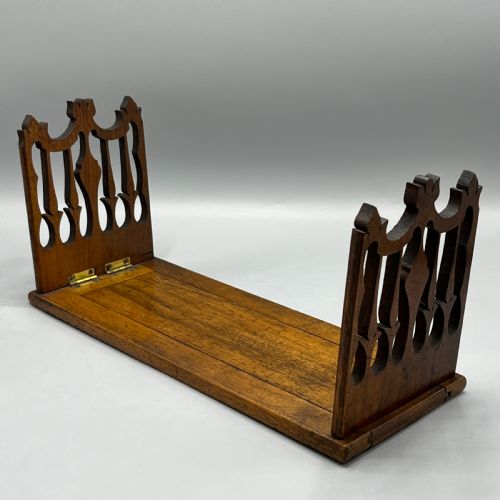
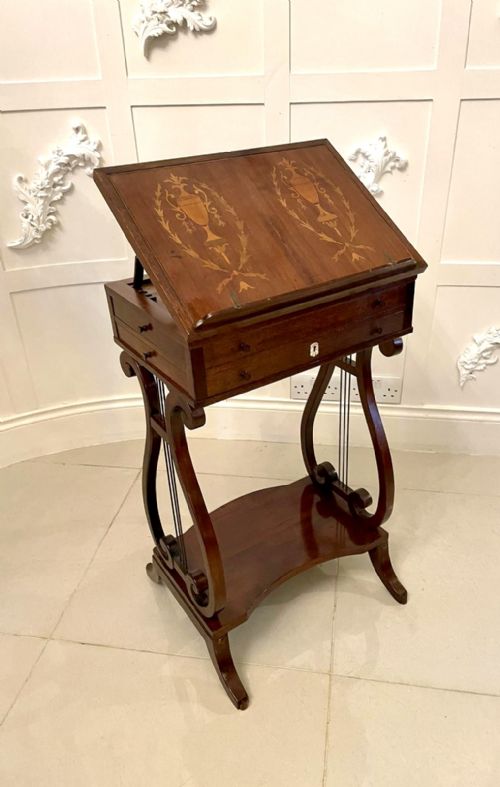
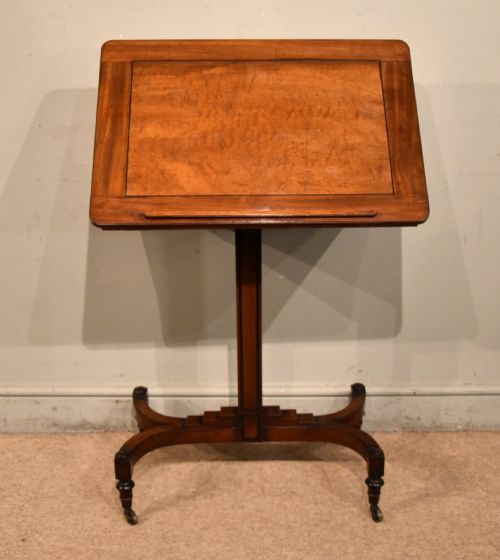
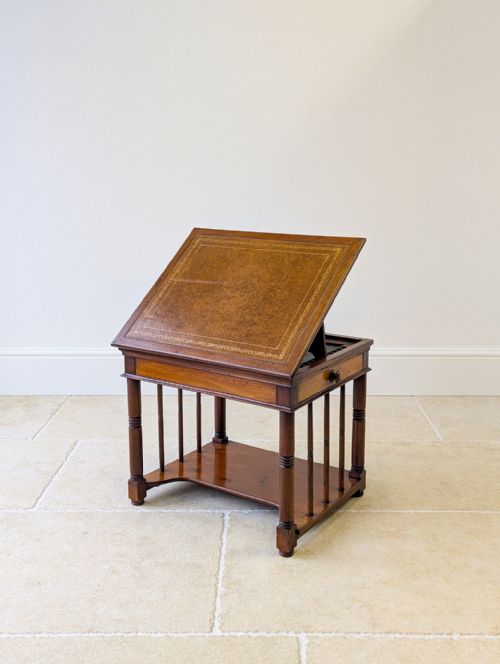
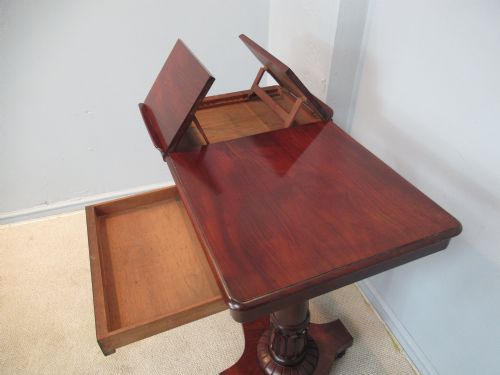
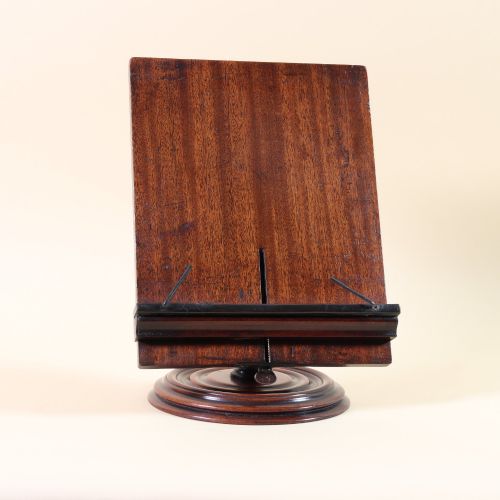
An adjustable book desk encompasses a range of reading tables, music stands, extending book slides, and lecterns designed to position texts at functional angles. When searching for an adjustable book desk, buyers encounter diverse forms originating from the eighteenth, nineteenth, and early twentieth centuries.
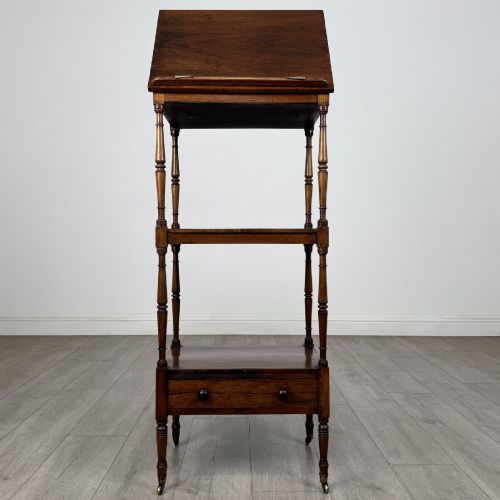
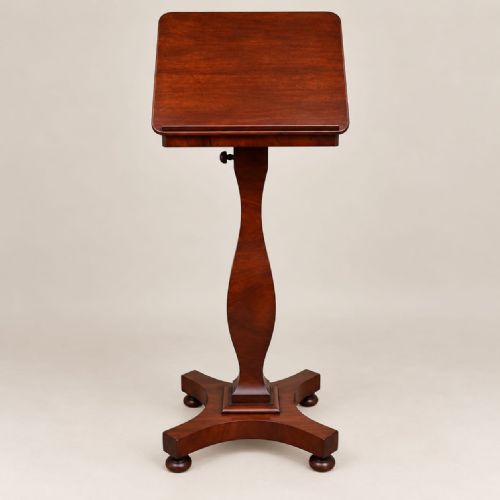
The nineteenth century yields the highest volume of examples, spanning Regency, Victorian, William IV, and Edwardian periods. These pieces appear in formats ranging from heavy floor-standing tripod lecterns and library reading tables to desk-top book rests and extending slides.
Materials shift according to the specific form, with occasional tables and reading stands predominantly utilising mahogany, walnut, rosewood, and oak. Smaller desk accessories often incorporate brass, cast iron, and steel alongside decorative timbers such as coromandel and gonçalo alves.
Materials and construction
Timbers form the structural foundation of these pieces, with solid mahogany, oak, and walnut providing the durability required for mechanical reading stands and heavy book slides. Exotic woods like rosewood, gonçalo alves, and coromandel appear on finer library pieces, often finished with polished surfaces or subtle inlay.
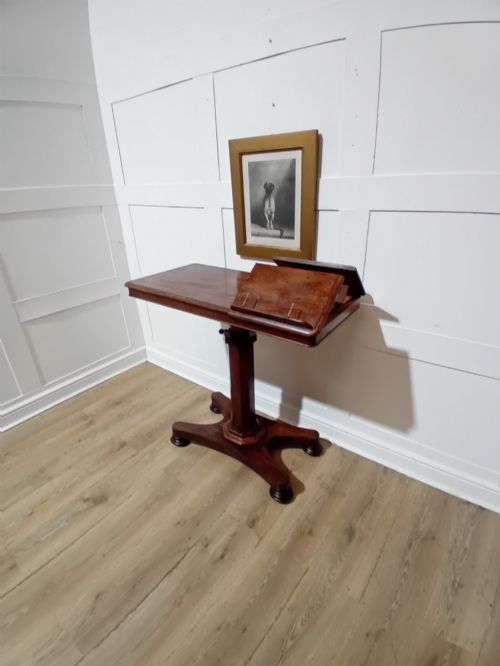
Metal components dictate the functionality of the mechanisms, integrating brass ratchets, steel rods, and heavy cast iron bases to support adjustable heights and tilting desks. These mechanical elements allow tables and lecterns to transform smoothly between flat surfaces and angled supports.
Adjustable Book Desk Retail Price Guide 2026
Typical asking prices for adjustable book desk among the pieces listed under this phrase on Sellingantiques today, from the lower quarter to the upper quarter. They describe what is for sale here now, not the wider market.
Mobility aids designed for Victorian bedrooms occasionally double as ingenious reading tables, proving that comfort and literacy have long gone hand in hand.
Judging execution and design
Quality rests in the precision of the mechanical action and the integration of moving parts within the timber framework. Superior examples utilise robust brass ratchets and smooth sliding mechanisms that secure firmly at multiple angles without slipping.
The selection of timber grain and the finesse of joinery distinguish standard utilitarian stands from exceptional library pieces. Finer specimens display carefully matched veneers, solid turned columns, and well-cast iron or brass hardware that operates with enduring reliability.
Carters Of London·Gillows
The Adjustable Book Desk Glossary
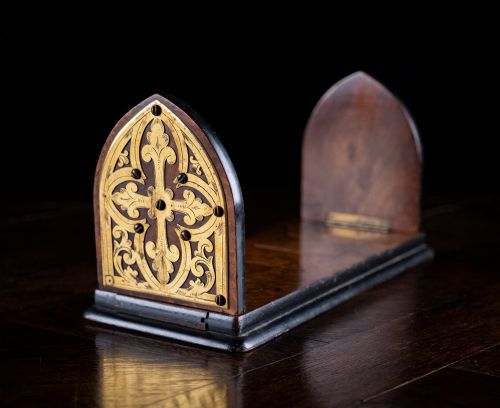
- Book slide
- An extending wooden stand designed to hold a row of books upright on a desk or table, often featuring hinged or expanding sides.
- Lectern
- A tall stand with a sloped top designed to hold a book or notes for a standing reader or speaker.
- Ratchet mechanism
- A notched metal arm that engages with a catch to hold a reading desk or music stand at a fixed angle.
- Metamorphic furniture
- Pieces designed to transform from one form of furniture into another, such as an occasional table that converts into a reading desk.
Adjustable Book Desk: Frequently Asked Questions
How do adjustable book desks work?
These pieces use mechanical ratchets, screws, or sliding joints to alter the height and angle of the reading surface. Users adjust the position to suit reading from a chair, bed, or standing position.
Internal metal components or wooden supports lock the platform securely in place once the desired angle is achieved.
What is the difference between a reading table and a book slide?
A reading table is a self-contained piece of furniture, often featuring a pedestal or four legs, designed to hold books or folios at reading height. Some include adjustable top sections or auxiliary surfaces.
A book slide sits atop a desk or shelf to keep a smaller selection of volumes upright and organised between two adjustable ends.
How can I date an adjustable reading stand?
Dating relies on stylistic markers, timber selection, and the type of metal hardware used in the construction. Regency and William IV pieces often display heavier rosewood or mahogany with distinct classical turnings.
Later Victorian and Edwardian examples frequently incorporate cast iron or steel mechanisms alongside oak or walnut frames.
Where were these pieces used historically?
Libraries, studies, and drawing rooms served as the primary locations for these stands, where heavy reference books, folios, and music sheets required dedicated support. Bedside and chairside variants also appeared for invalid use or leisurely reading.
Their mobility allowed them to be repositioned easily near light sources or firesides.