



9ct Gold Aquamarine Jewellery
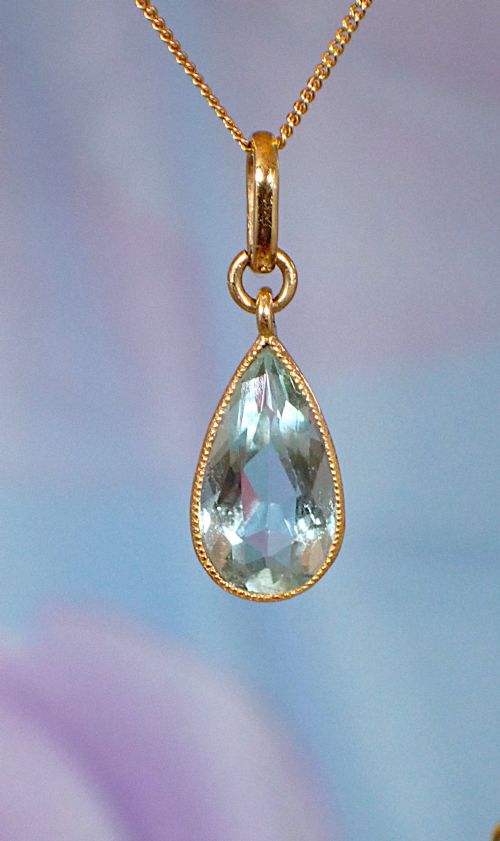
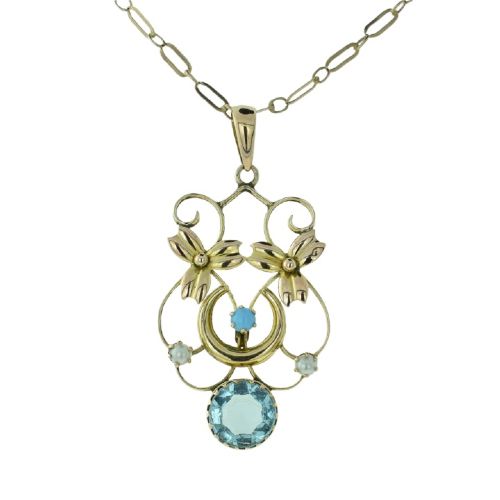
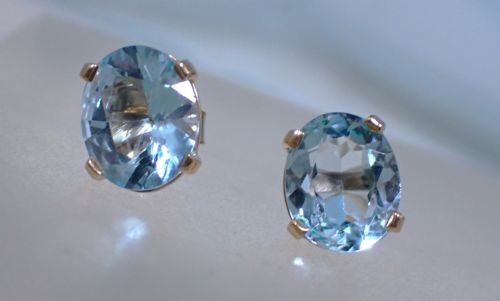
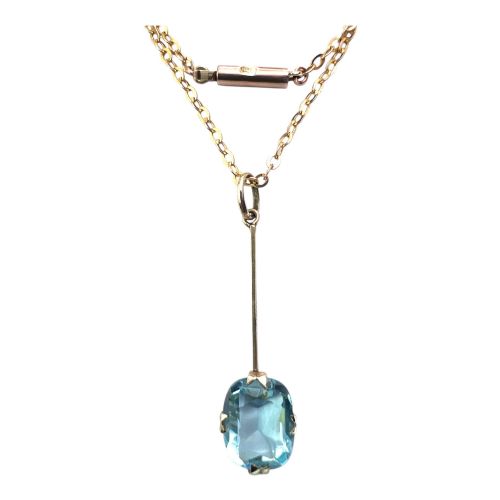
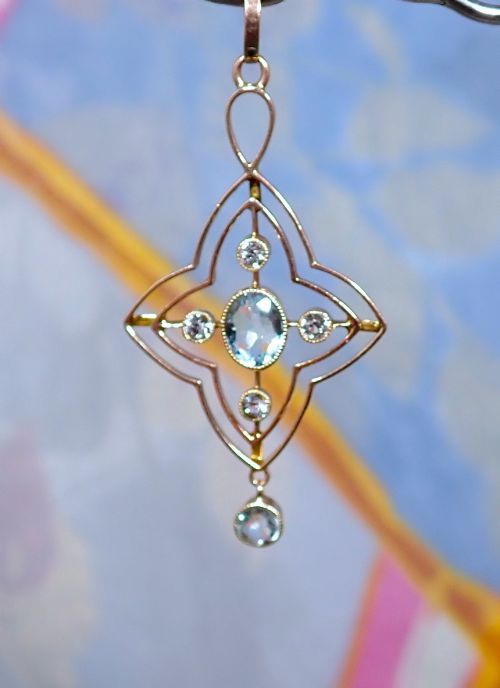
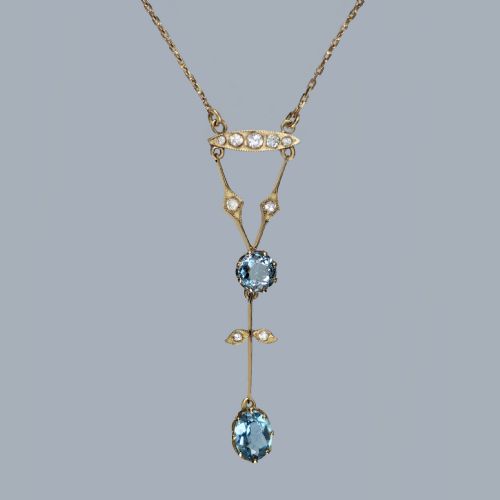
These pieces of 9ct gold aquamarine jewellery offer pale blue stones paired with warm precious metal, ranging from delicate Edwardian drops to mid-century studs.
9ct Gold Aquamarine Jewellery
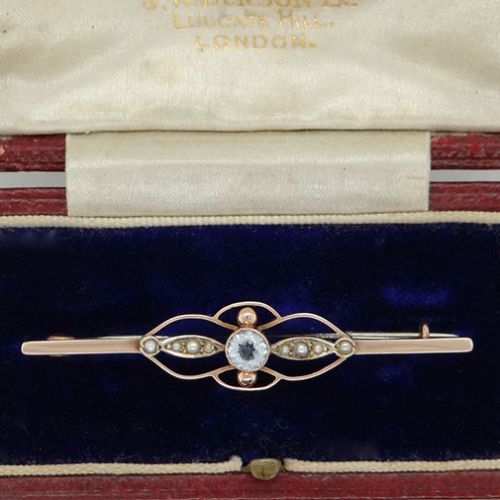
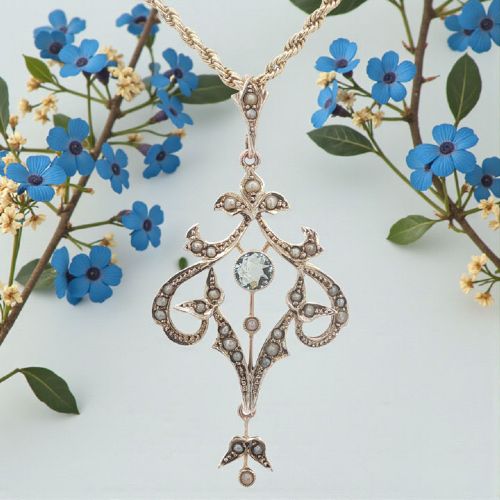
Buyers seeking 9ct gold aquamarine jewellery generally encounter items spanning the Edwardian era through to the mid-twentieth century. Pendants, drop necklaces, and stud earrings dominate the selection, often incorporating smaller accent stones to frame the central pale blue aquamarine.
How these pieces were made
The construction relies heavily on 9ct gold, found in yellow, rose, and white variations that suit the cool tone of the aquamarine stones. Metalwork from the Edwardian period often employs detailed wirework and delicate settings.
Makers integrated natural aquamarines alongside supporting gemstones such as seed pearls, diamonds, and white sapphires. Settings are typically tailored to the cut of the stone, whether square, pear, or traditional step cuts.
9ct Gold Aquamarine Jewellery Retail Price Guide 2026
Typical asking prices for 9ct gold aquamarine jewellery among the pieces listed under this phrase on Sellingantiques today, from the lower quarter to the upper quarter. They describe what is for sale here now, not the wider market.
Listings feature items spanning the Edwardian period through to the 1960s, executed in yellow, rose, and white 9ct gold.
What varies in quality
Quality differences stem primarily from the clarity and colour saturation of the aquamarine itself, alongside the finesse of the surrounding goldwork. Finer examples display clean crystal structures with crisp facets that catch the light effectively.
The integration of secondary stones, such as well-matched seed pearls or small diamonds, elevates the overall execution. Superior pieces maintain crisp detail in the metal settings without excess solder or clumsy repairs.
The 9ct Gold Aquamarine Jewellery Glossary
- Aquamarine
- A pale blue to light greenish-blue variety of beryl utilised in fine jewellery. Its name derives from seawater, reflecting its characteristic oceanic hue.
- Edwardian
- A decorative period spanning the reign of King Edward VII, noted for light, airy jewellery designs utilising platinum and gold. Filigree and delicate drop forms are typical of this era.
- Seed pearl
- A very small natural or cultured pearl, often half-drilled and set in clusters or lines alongside larger gemstones. They add a soft luminous contrast to gold and aquamarine.
- Drop necklace
- A necklace featuring a pendant element suspended below the main chain line. These pieces often swing independently to catch the light during wear.
9ct Gold Aquamarine Jewellery: Frequently Asked Questions
How do I care for 9ct gold aquamarine jewellery?
Clean these items gently using warm soapy water and a soft brush, avoiding harsh chemical dips that might damage softer accent stones like pearls.
Store pieces individually in soft pouches to prevent the harder gold and gemstones from scratching neighbouring items.
Are aquamarines heat treated?
Many aquamarines undergo gentle heating to enhance their blue coloration and reduce greenish undertones, a standard practice in the trade for decades.
This treatment is permanent and stable, aligning with the methods used during the manufacturing periods represented here.
How can I tell an Edwardian piece apart from a mid-century one?
Edwardian designs favour ornate, lace-like goldwork, garlands, and organic motifs executed in yellow or rose gold.
Mid-century pieces shift towards streamlined geometries, simpler bezel or prong settings, and occasional use of white gold.
Is 9ct gold durable for daily wear?
Alloyed with other metals to reach nine karats, this gold offers solid durability and resistance to everyday knocks while retaining a traditional appearance.
It provides a robust setting for aquamarines and delicate elements like seed pearls when worn with reasonable care.