


5 Carat Diamond
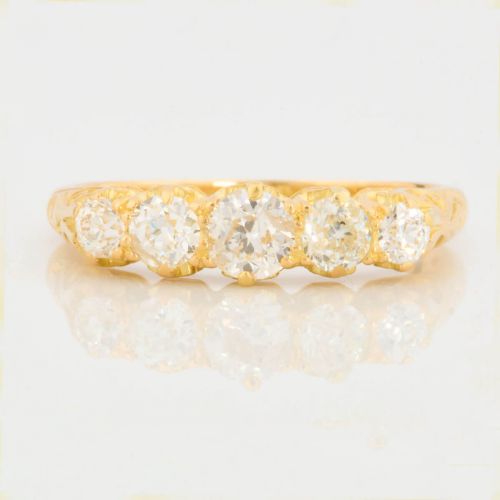
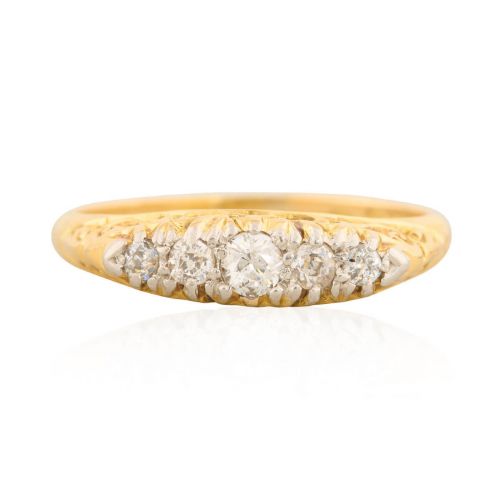
When you search for a 5 carat diamond, you encounter substantial antique and vintage gemstone creations spanning several defining periods of design.
5 Carat Diamond
Buyers searching for a 5 carat diamond typically encounter magnificent cluster rings, substantial solitaires, and gem-set bracelets originating from Victorian, Edwardian, Art Deco, and mid-century periods. The selection encompasses elaborate cocktail rings, dramatic three-stone arrangements, and precious stone pendants featuring significant central weights.
Engagement rings and dress rings dominate the available forms, often combining large diamonds with vibrant rubies, sapphires, or emeralds. Pieces range from delicate Edwardian mountings to bold retro designs from the mid-twentieth century.
The objects reflect the evolving lapidary standards of their eras, showcasing old cut diamonds alongside coloured gemstones sourced from historic mines. Each item bears the distinct structural hallmarks of its manufacturing decade.
How they were made
Craftsmen utilised durable platinum and various carats of yellow and white gold to securely mount heavy stones using traditional bezel, prong, and cluster settings. Metalwork from the Victorian and Edwardian eras often incorporated fine millegrain edges and hand-pierced gallery details.
Diamonds were predominantly shaped by hand into old European cuts, old mine cuts, or early transitional cuts, prioritising lively internal light play over strict mathematical symmetry. Coloured gemstones were similarly hand-cut to maximise weight and optical depth within their historical mountings.
Listings feature items spanning from the late nineteenth century through to the mid-twentieth century, predominantly rendered in platinum, yellow gold, and white gold.
What varies in quality
Quality rests upon the optical performance and natural condition of the primary stones, particularly the presence of unheated certifications in rubies and sapphires alongside the clarity and cut grade of major diamonds. Superior examples retain their original settings without modern re-tipping or structural alterations.
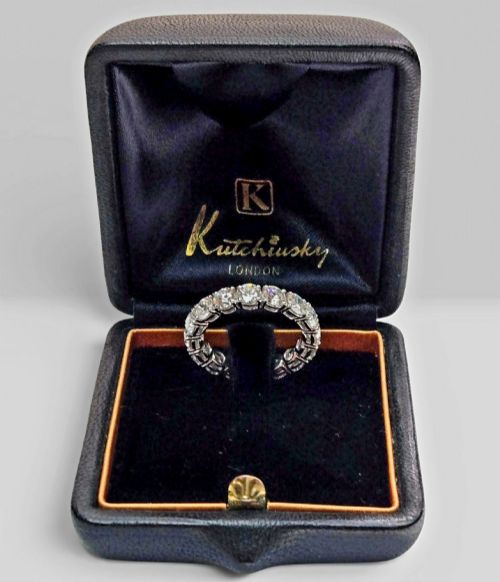
Kutchinsky
The 5 Carat Diamond Glossary
- Old cut diamond
- A diamond shaped by hand before modern machinery standardised facet angles, characterised by a smaller table, higher crown, and open culet. This historic cutting style produces a distinctive, softer candlelight scintillation.
- Millegrain
- A decorative technique featuring a row of tiny, raised metal beads along the edges of a setting. It provides a delicate, textured border frequently seen on Edwardian and Art Deco jewellery.
- Gypsy ring
- A ring style where stones are flush-set directly into a heavy, tapering band rather than held by traditional raised prongs. Popular during the late nineteenth and early twentieth centuries.
- Trilogy ring
- A three-stone ring symbolising the past, present, and future, typically featuring a larger central gemstone flanked by two smaller side stones. This configuration spans multiple decorative periods.
- Culet
- The tiny flat facet at the very bottom of a historic diamond where the pavilion facets meet. Antique stones often display a visible culet when viewed from the dial.
5 Carat Diamond: Frequently Asked Questions
What is an old cut diamond?
An old cut diamond refers to stones shaped by hand prior to the standardisation of modern facet proportions. These gems possess characteristic traits like high crowns and open culets.
They deliver a unique visual charm that differs significantly from contemporary brilliant cuts, catching light in a softer and more expansive manner.
How do I care for antique rings?
Antique jewellery requires gentle cleaning using warm water and a soft brush, avoiding harsh chemical ultrasonic cleaners that can damage delicate settings or treated stones. Regular inspection by a specialist ensures the integrity of historic claws and mountings.
Storing pieces individually prevents metal abrasion and protects vulnerable gemstone facets from unnecessary impact during storage.
Are coloured gemstones treated?
Many historic rubies, sapphires, and emeralds carry laboratory reports noting whether they are unheated or have undergone traditional clarity enhancements. Certifications provide definitive insight into the natural origin and thermal history of the material.
Unheated stones from renowned historic sources like Burma or Ceylon command particular attention from collectors due to their natural purity.
How do I identify Art Deco jewellery?
Art Deco pieces display geometric symmetry, strong linear patterns, and a frequent pairing of diamonds with calibre-cut rubies, sapphires, or emeralds. The metalwork often relies on platinum for its strength and bright white finish.
This aesthetic emerged following the First World War and rejected the flowing curves of preceding Edwardian and Art Nouveau movements in favour of architectural forms.