
20th Century Glazed Vitrine
A 20th century glazed vitrine offers a structured, transparent stage for objects, bringing light and order to collections.
20th Century Glazed Vitrine
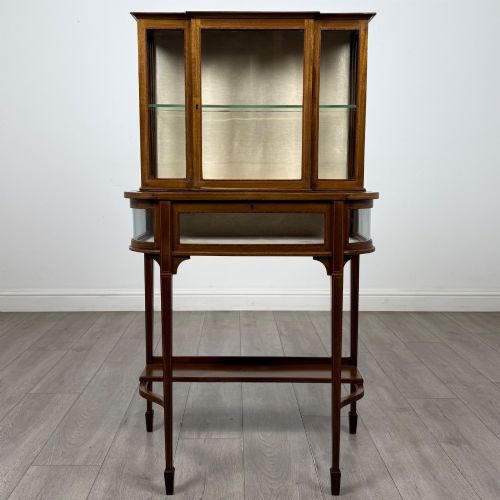
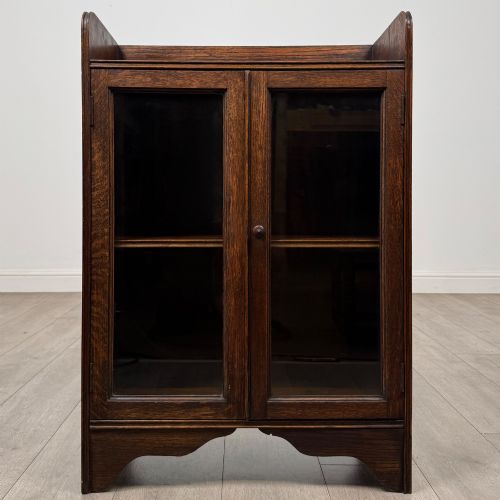
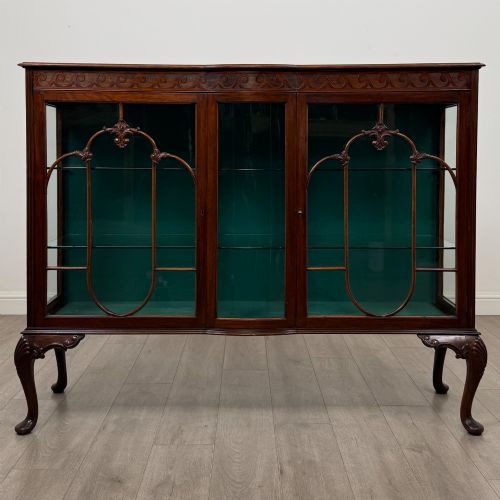
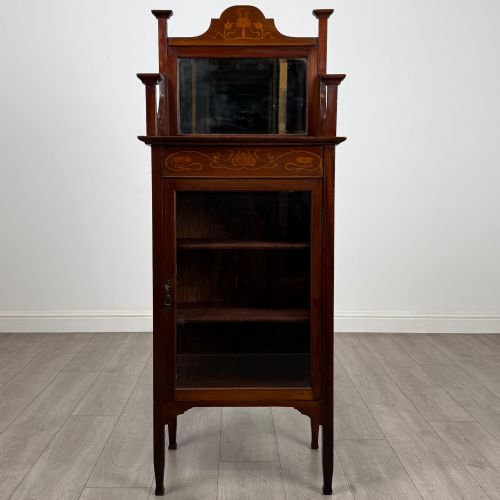
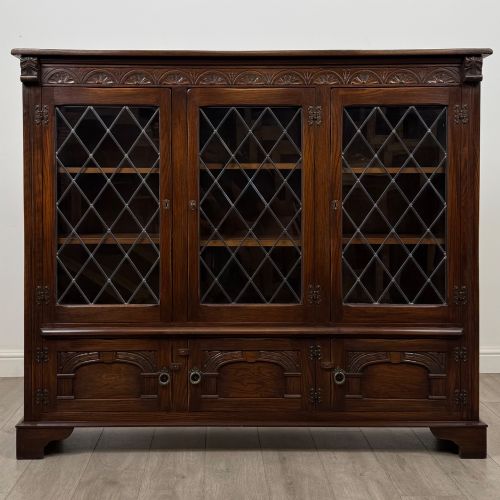
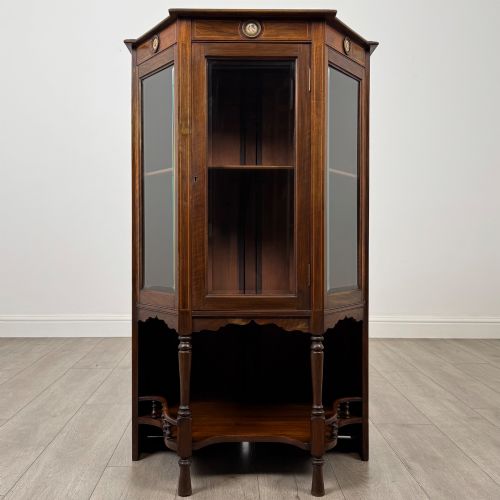
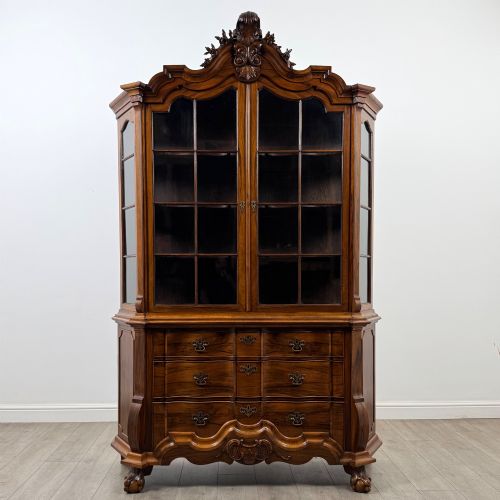
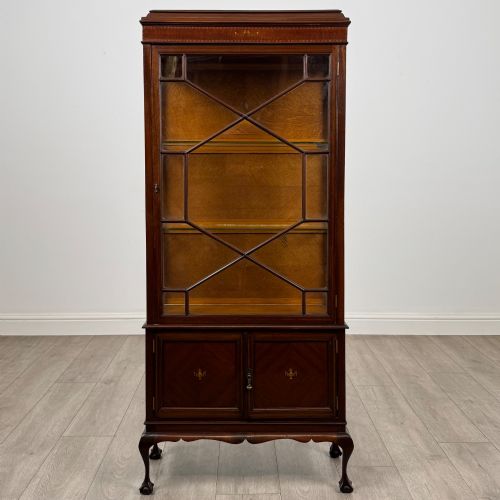
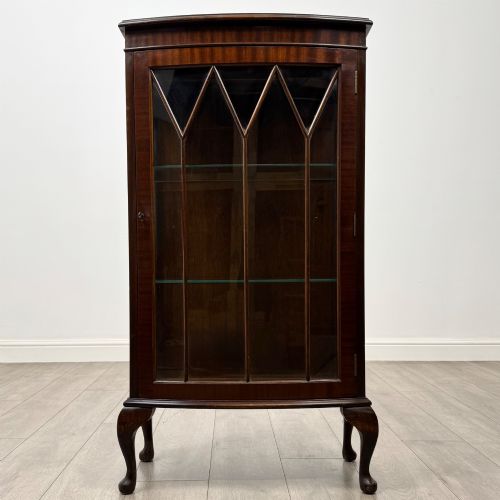
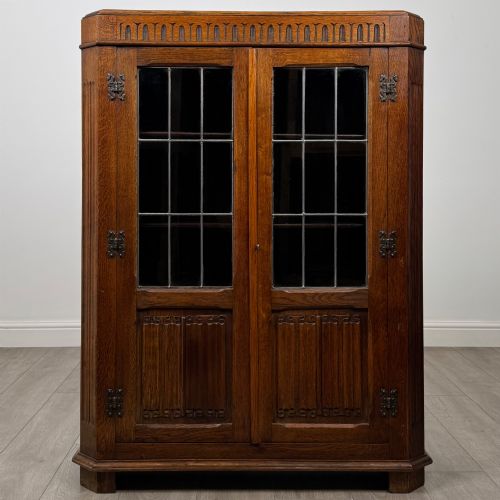
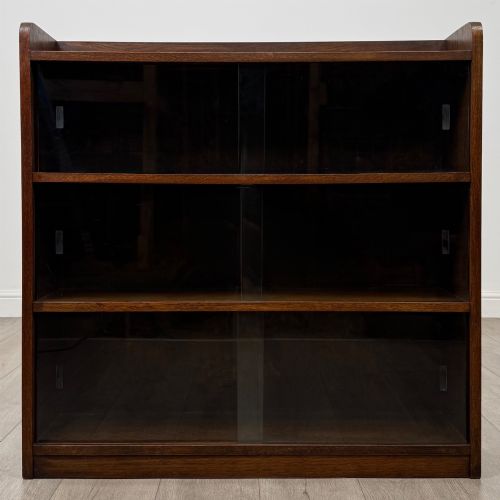
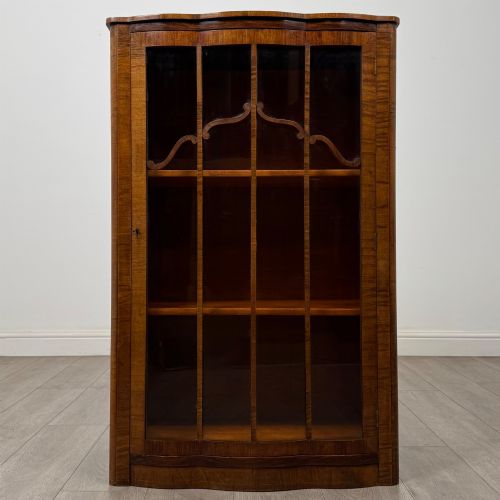
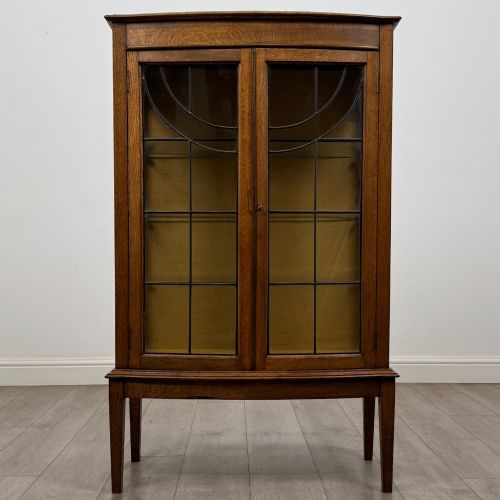
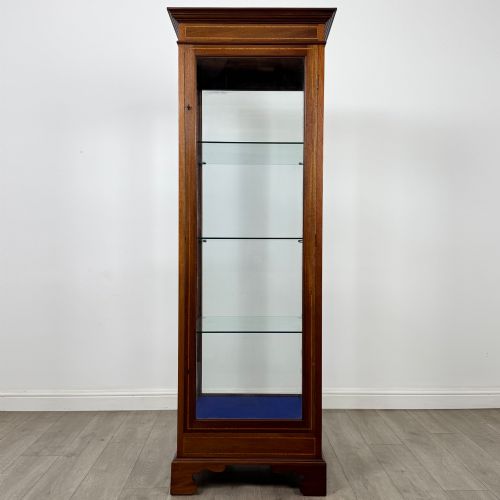
A 20th century glazed vitrine encompasses freestanding display cabinets, corner units, and specialised shop counters designed to showcase porcelain, silver, or personal collections. The Edwardian period provides the largest share of these pieces, alongside examples bearing influences from the 1900s, 1910s, 1920s, and 1930s.
Formats vary from tall floor-standing display cabinets and two-part corner cabinets to bijouterie tables and drop-sided tea trolleys. Certain pieces retain later commercial sign-writing relating to confectioners, watchmakers, or vineyards, connecting domestic furniture to early shop display.
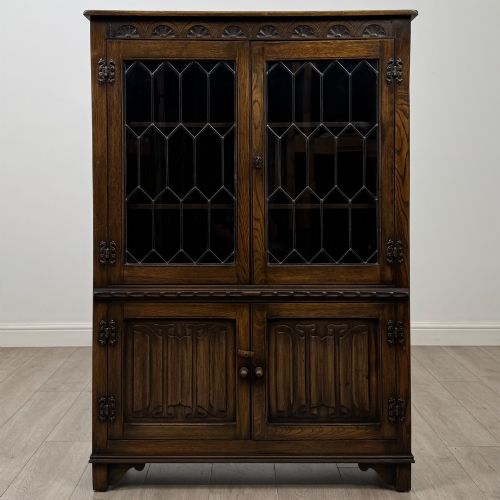
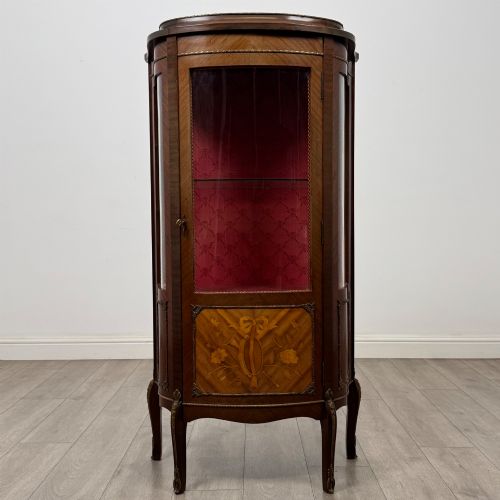
Stylistic diversity runs from plain Edwardian models to revival designs drawing on Georgian, Jacobean, Queen Anne, Louis XV, Art Nouveau, and Art Deco traditions. French and Dutch influences appear alongside British production across the selection.
How they were made
Cabinet makers utilised a foundation of solid timbers and veneered panels, selecting mahogany, oak, walnut, figured walnut, burr walnut, and hardwood. Glass panes are set into doors and sides using lead or timber glazing bars to maximise interior illumination.
Decoration relies on intricate carving, contrasting inlays, and fabric-lined interiors, complemented by brass handles, hinges, and escutcheons. Vernis Martin techniques and hand-applied sign-writing appear on specific French and commercial variants.
Several counter display cabinets carry later hand sign-writing for chocolate, watchmakers, and French wine valleys.
What varies in quality
The selection of timber grain defines the visual impact, ranging from standard oak and mahogany to highly figured or burr walnut veneers. Superior examples exhibit refined carving and precise inlay work executed by skilled hands.
Structural complexity influences the character of the piece, distinguishing simple rectilinear display cabinets from serpentine French styles, tall shop vitrines, and multi-part corner units with fitted shelving.
The 20th Century Glazed Vitrine Glossary
- Vitrine
- A glass-fronted cabinet or display case designed specifically for showing fragile objects and curiosities.
- Bijouterie table
- A low display table with a glazed top and sides, created for holding jewellery and small ornaments.
- Vernis Martin
- A simulated Japanese lacquer technique developed in France, used to decorate fine furniture and cabinets.
- Linenfold
- A carved wood panel motif resembling folded drapery or linen, typical of revival furniture styles.
- Escutcheon
- A protective plate surrounding a keyhole, often cast in brass to match cabinet hardware.
20th Century Glazed Vitrine: Frequently Asked Questions
What is a 20th century glazed vitrine?
A 20th century glazed vitrine is a display cabinet featuring glass panels designed to exhibit collections while protecting them from dust.
These pieces range from tall freestanding floor cabinets to specialised corner units and counter displays produced across the Edwardian era and subsequent decades.
How do I use a vitrine at home?
A vitrine suits dining rooms, living spaces, or hallways for displaying ceramics, glassware, silver, or personal objects of interest.
The glass sides allow light to enter from multiple angles, illuminating the contents while keeping delicate items secure behind closed doors.
What styles are common in these cabinets?
Styles span plain Edwardian utilitarian designs to elaborate revivals including Louis XV, Queen Anne, Jacobean, and Georgian aesthetics.
Art Nouveau and Art Deco influences also appear, alongside French and Dutch regional interpretations.
Which woods were used for these pieces?
Cabinet makers predominantly worked in mahogany and oak, alongside walnut, figured walnut, and burr walnut.
Selected examples incorporate exotic hardwoods or fabric linings within the display space to contrast with the exterior timber.