



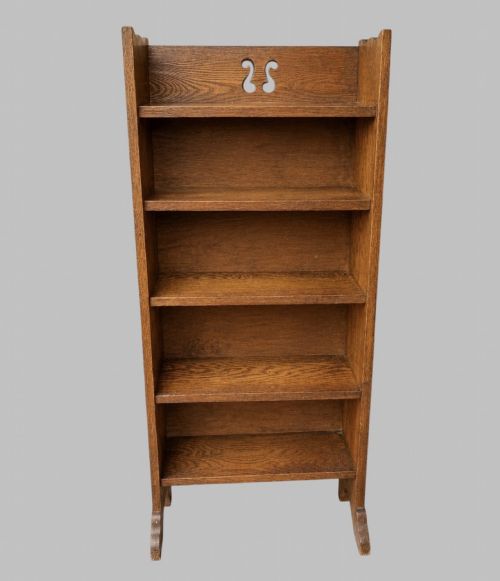

20th Century Bookshelf
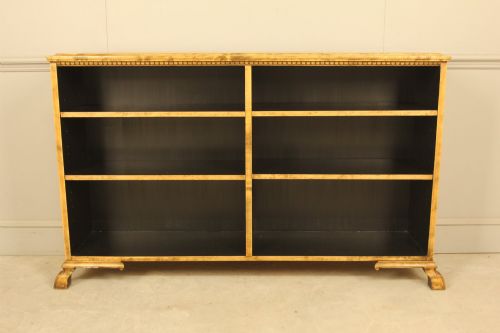
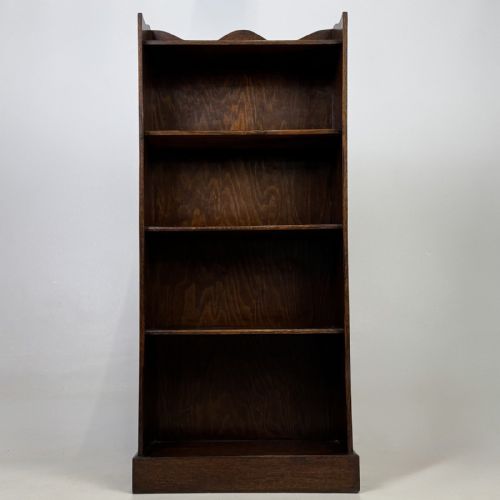
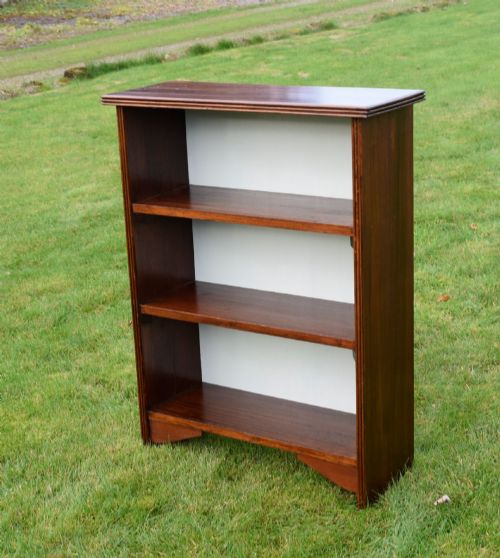
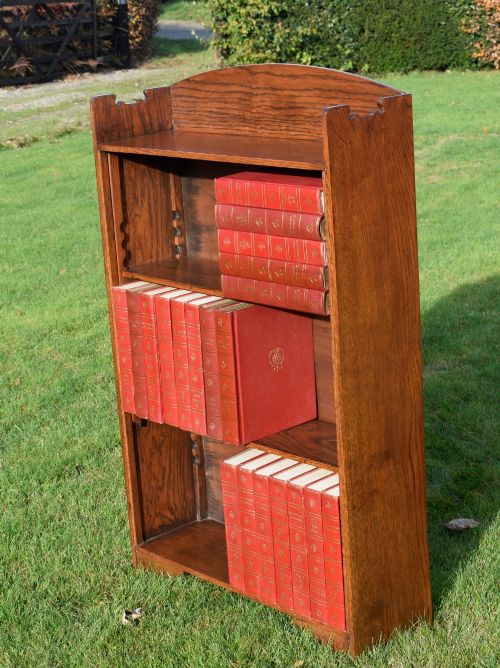
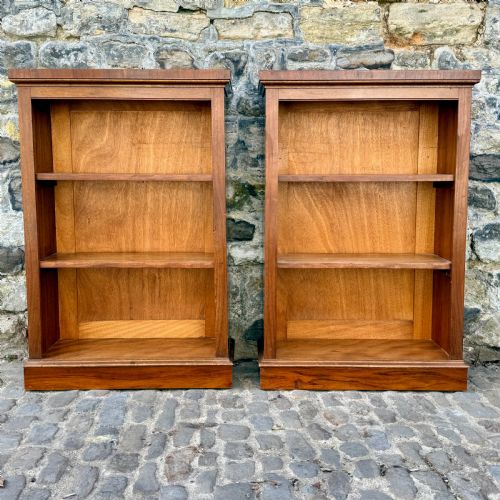
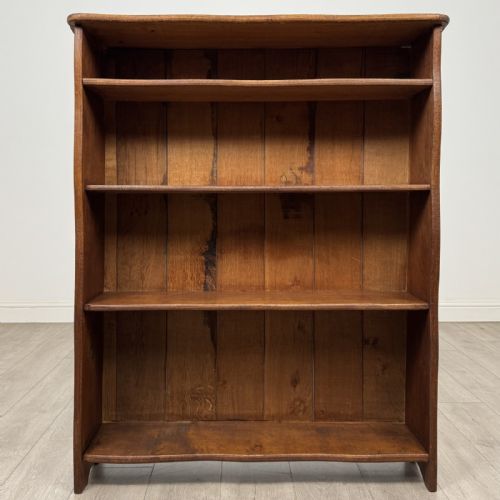
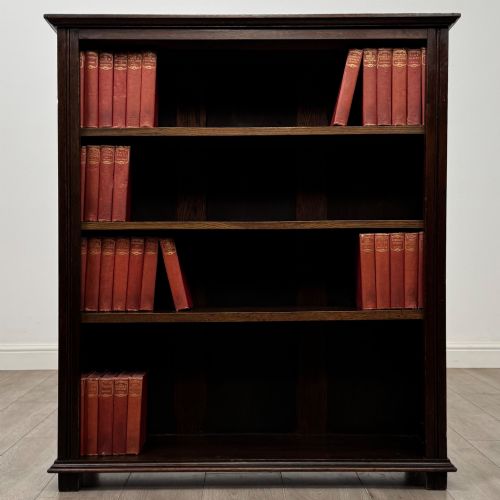
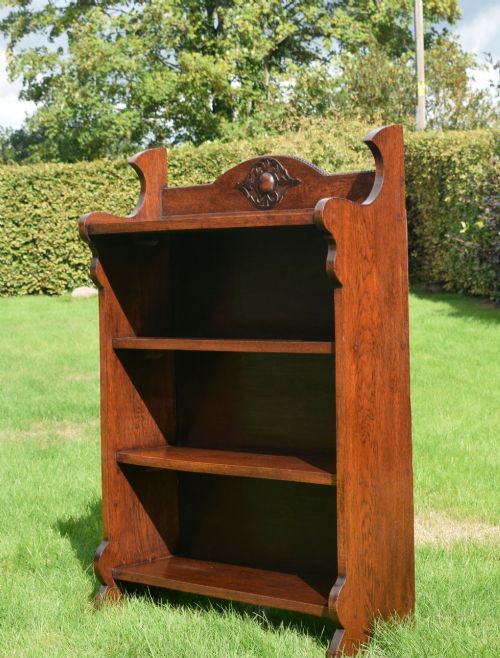
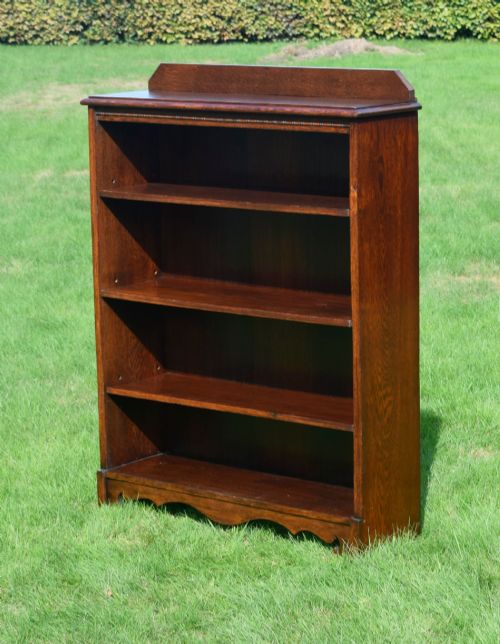
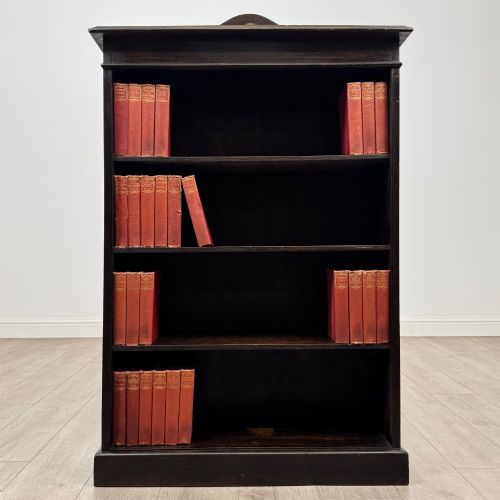
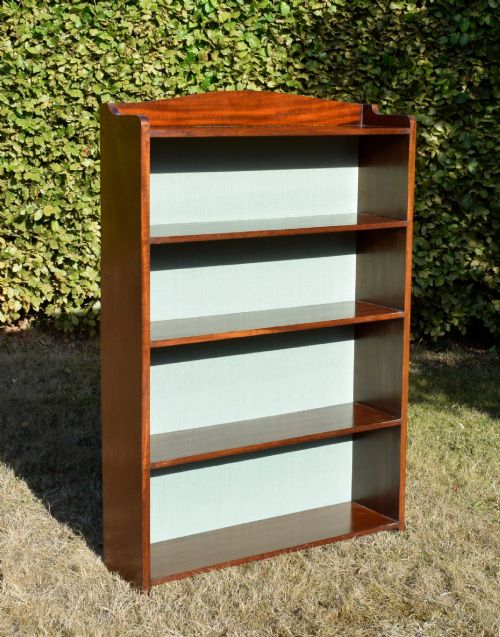
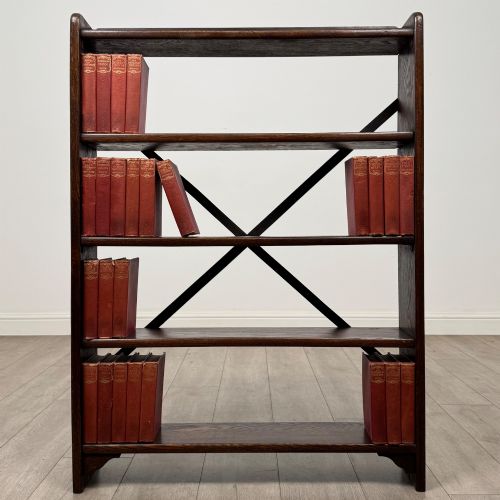
These pieces for a 20th century bookshelf bring practical storage and period character to a room, dominated by open forms in oak and mahogany.
20th Century Bookshelf
A 20th century bookshelf primarily takes the form of open bookcases and display cabinets designed for domestic libraries and living spaces. Buyers searching this phrase meet mostly Edwardian pieces alongside examples from the nineteen tens, twenties, and thirties.
The selection ranges from small narrow units to slim pairs and larger cabinets, often featuring adjustable shelving or glazed doors. Open formats in oak predominate, accompanied by mahogany, walnut, and birch variants.
Revival styles such as Jacobean and Georgian sit alongside Arts and Crafts, Art Deco, and industrial interpretations. This variety reflects the changing interior tastes of the era, from heavy traditional timber to lighter utilitarian designs.
Materials and Construction
Joinery methods rely on traditional techniques suited to the period, including rebated shelves, panelled backs, and dovetailed carcases. Decorative details range from simple moulded cornices to cut-out motifs found on Arts and Crafts pieces.
20th Century Bookshelf Retail Price Guide 2026
Typical asking prices for 20th century bookshelf among the pieces listed under this phrase on Sellingantiques today, from the lower quarter to the upper quarter. They describe what is for sale here now, not the wider market.
Judging Quality in Period Shelving
Quality rests on the selection of timber and the precision of the joinery rather than mere ornamentation. Dense, well-figured oak or mahogany with clean interior construction distinguishes superior examples from standard utility pieces.
Proportion and finish dictate the character of the shelving, where balanced dimensions and retained original polish elevate the piece. Subtle details, such as thoughtful edge moulding or decorative cut-outs, separate standard production from finer cabinetmaking.
Sandberg and Co
The 20th Century Bookshelf Glossary
- Open bookcase
- A piece of furniture designed for storing books without doors enclosing the shelves. This form allows immediate access to volumes and displays book bindings as part of the room decoration.
- Display cabinet
- A cabinet featuring glass panels in the doors intended for showing objects and fine books while protecting them from dust. These often include internal shelving and finer hardware.
- Arts and Crafts
- A design movement prioritising traditional craftsmanship and simple forms over mass production. Pieces from this style often display honest construction and modest decorative motifs.
- Waterfall bookcase
- A shelving unit where each successive shelf is shallower than the one below, creating a stepped profile. This form emerged to display books efficiently in domestic settings.
20th Century Bookshelf: Frequently Asked Questions
What defines a 20th century bookshelf?
These pieces span the Edwardian era through the nineteen thirties, encompassing open bookcases, shelving units, and glazed display cabinets. They reflect domestic trends ranging from traditional revival styles to industrial and Arts and Crafts designs.
Built primarily in timbers like oak, mahogany, and walnut, they offer sturdy storage with period details such as decorative cut-outs and brass hardware.
How do I choose between open and glazed bookcases?
Open bookcases provide direct access and display books openly, making them ideal for daily reading rooms and studies where utility matters most. Glazed cabinets protect delicate bindings and fine editions from dust while offering a formal appearance.
Consider the contents of the shelves and the room's atmosphere when selecting between the two formats.
How do I care for timber shelves?
Maintain the wood by keeping the bookcase away from direct heat sources and strong sunlight, which can dry out the timber and fade the finish. Regular dusting with a soft, dry cloth preserves the polish without building up residue.
Treat the surface occasionally with appropriate furniture wax to nourish the grain and protect the finish.