

19th Century Watercolor
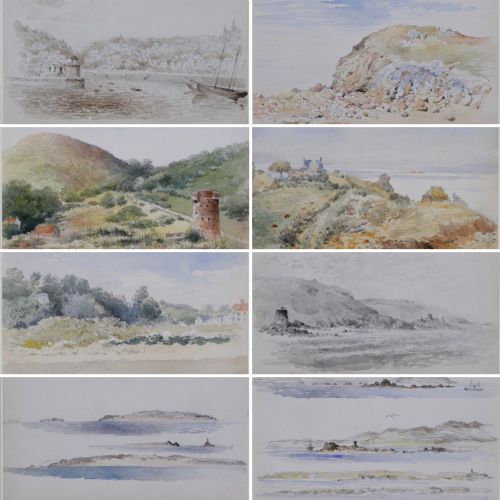
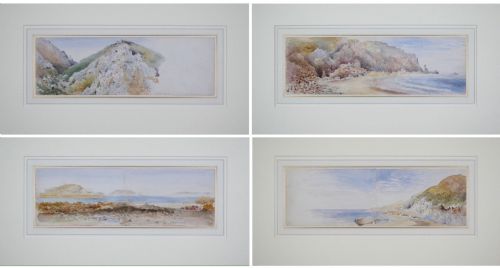
When you collect a 19th century watercolor, you acquire a direct window into the artistic sensibilities, travels and domestic lives of the Victorian and Regency eras.
19th Century Watercolor
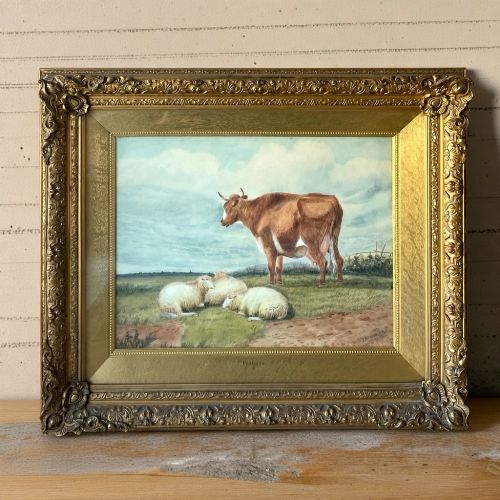
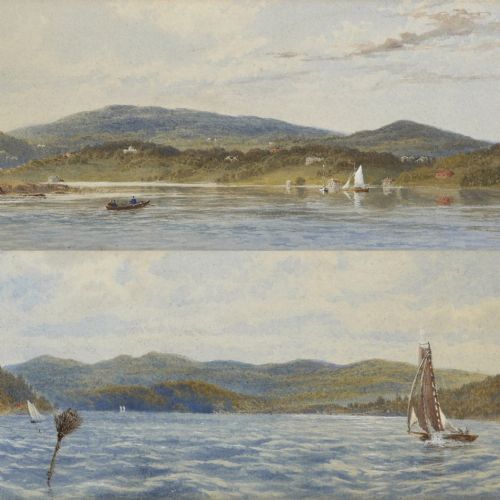
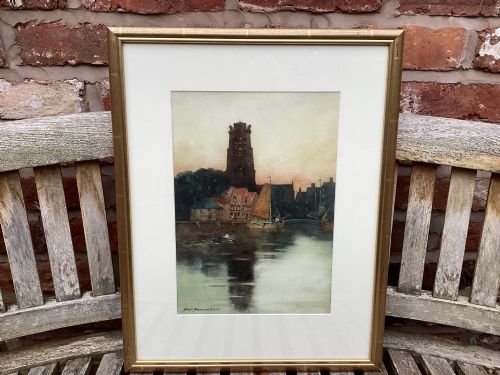
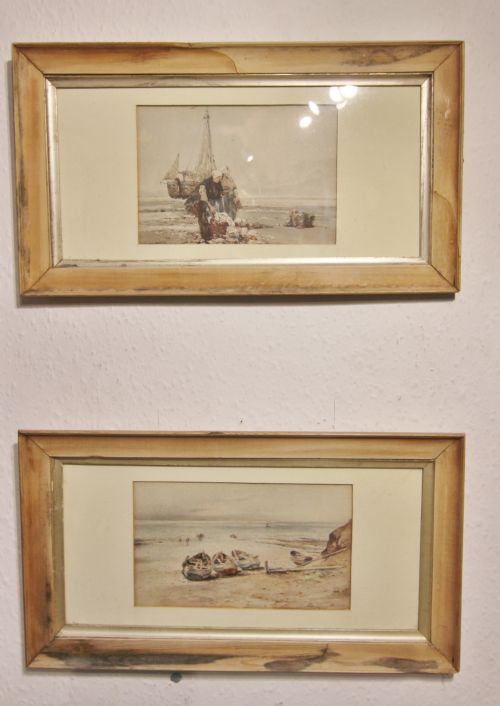
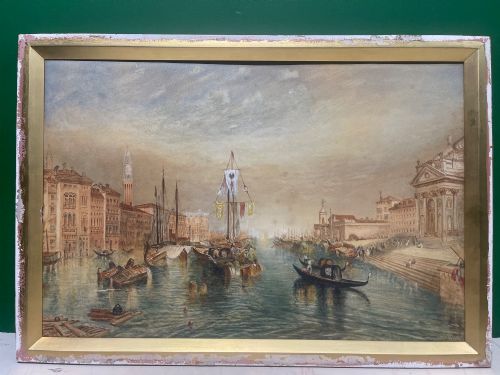
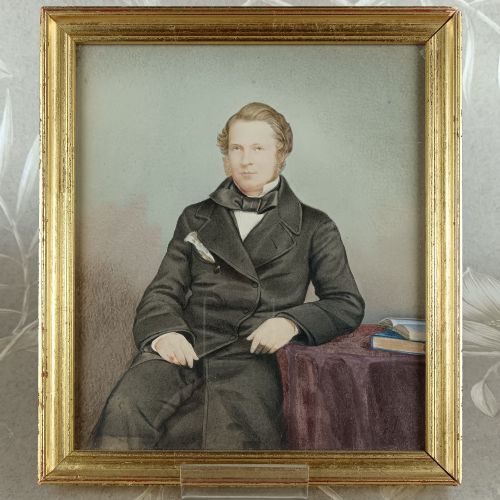
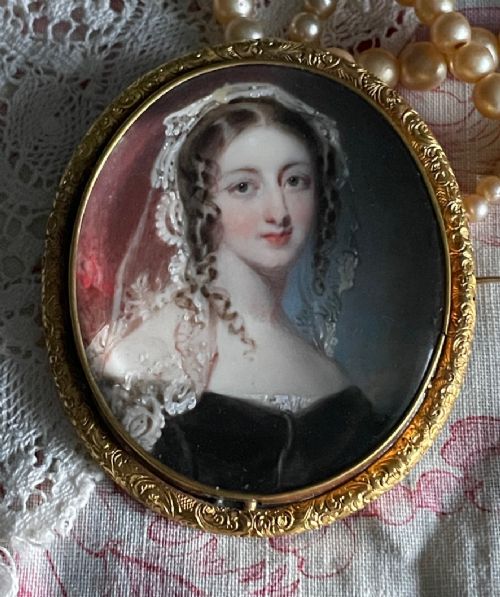
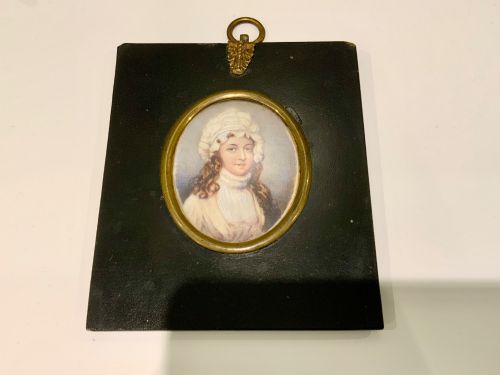
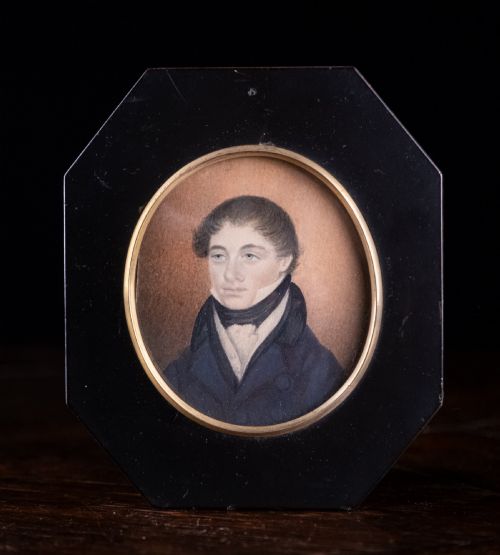
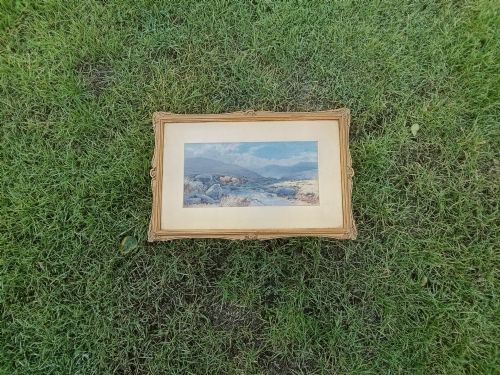
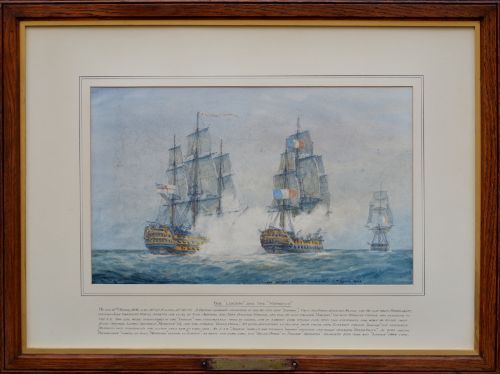
When searching for a 19th century watercolor, collectors encounter works ranging from intimate portrait miniatures and botanical studies to large-scale landscape paintings. These pieces capture the topographical interests of travellers on the Grand Tour alongside domestic scenes depicting everyday life in Britain and continental Europe.
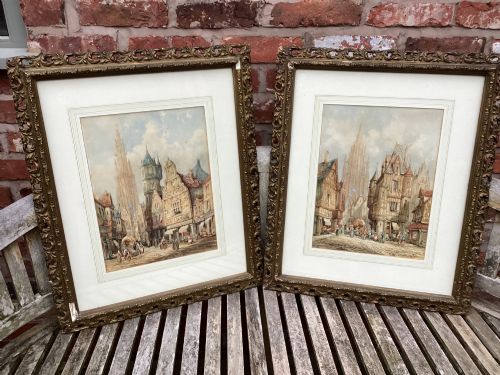
Most examples originate from the Victorian and Regency periods, spanning decades from the early 1800s through to the turn of the twentieth century. Forms include framed wall art, pairs of flower studies and expansive exhibition pieces executed by professional academicians.
How They Were Made
Artists painted primarily upon paper using watercolour pigment, occasionally combining bodycolour to add opacity and highlight specific details within a composition. Works of this era frequently incorporated cut-paper elements in silhouette portraits, mounted meticulously within protective glass frames.
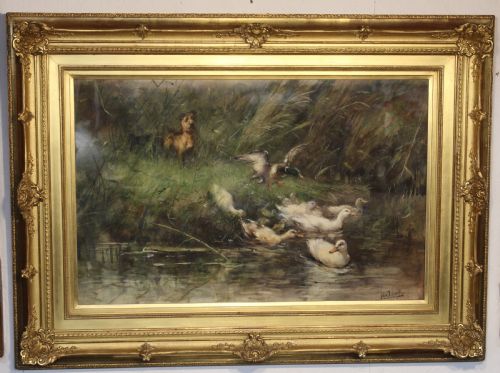
Framing materials reflect contemporary taste, utilising maple wood, ebonised wood and giltwood moulded frames designed to complement the delicate tones of the paper beneath. Glazing protected these fugitive water-soluble pigments from atmospheric moisture and handling over successive decades.
19th Century Watercolor Retail Price Guide 2026
Typical asking prices for 19th century watercolor among the pieces listed under this phrase on Sellingantiques today, from the lower quarter to the upper quarter. They describe what is for sale here now, not the wider market.
Materials documented across the inventory include paper, watercolour pigment, ebonised wood, and giltwood frames.
What Varies in Quality
Quality rests upon the certainty of attribution and the reputation of the hand, distinguishing professional Royal Academy exhibitors from competent amateur practitioners. Masterly brushwork, confident handling of atmospheric light and precise draughtsmanship elevate landscape and portrait subjects above routine topographical records.
The survival of the original frame and the integrity of the paper substrate significantly influence the standing of a piece. Works retaining their initial maple or giltwood surrounds without excessive fading or paper acidification represent the upper tier of surviving examples.
Robert Buchan Nisbet·Frederick Buck·Harry Bright·Stuart Lloyd·George Sydney Shepherd·H Medlycott·Guido Bach·William James Hubard·George Fotherly Hargitt·Thomas Miles Richardson Jnr·James Orrock·Henri Fradelle·William Henry Earp·Richard Principal Leitch·Sir James Dromgole Linton·John R Prentice·Alfred Young Nutt·James Smetham·John McDougal·James E Aitken
The 19th Century Watercolor Glossary
- Watercolour pigment
- Finely ground colour particles mixed with a water-soluble binder, applied in washes to paper.
- Bodycolour
- An opaque watercolour paint containing white pigment, utilised to create dense highlights and solid areas of colour.
- Portrait miniature
- A small-scale painted likeness, often executed on paper or ivory during the nineteenth century for intimate domestic display.
- Giltwood
- Timber carved and surfaced with a thin layer of gold leaf, commonly found on nineteenth-century picture frames.
- Canton watercolour
- Export paintings produced in China during the Qing dynasty for Western markets, depicting local figures and harbour views.
19th Century Watercolor: Frequently Asked Questions
How do I date an antique watercolor?
Dating relies upon visible artist signatures, inscribed dates on the reverse of the paper, and stylistic indicators such as costume and framing methods. Catalogues and biographical dictionaries help cross-reference active working periods.
Paper watermarks and historical address labels tucked behind the backing board also provide firm chronological boundaries for unverified works.
Where should I hang these paintings?
Watercolour pigments remain sensitive to ultraviolet light, meaning works require placement away from direct sunlight to prevent fading. Interior walls with stable ambient humidity suit paper-based art best.
Grouping smaller portrait miniatures or landscape pairs together on a neutral wall creates a balanced display reminiscent of nineteenth-century domestic interiors.
What is a portrait miniature?
Portrait miniatures are small portable likenesses painted on paper, card or ivory, designed to be held in the hand or displayed in modest frames. They served as personal tokens of affection before the widespread adoption of photography.
Nineteenth-century examples often feature subjects dressed in Regency or Victorian attire, painted with meticulous attention to facial expression.
How do I distinguish British from foreign scenes?
British views typically depict identifiable local landmarks, riverbanks, and countryside associated with the home nations, whereas foreign subjects record Mediterranean harbours, Italian peasants, or Chinese export motifs.
Artists undertaking the Grand Tour or documenting overseas trade routes left explicit geographical inscriptions in the titles or lower margins of their watercolours.