
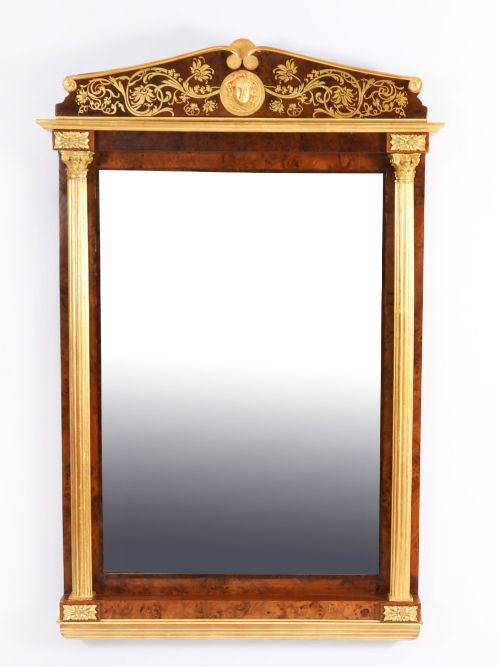
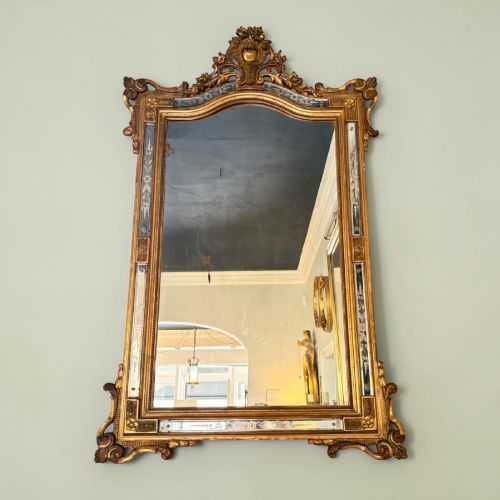
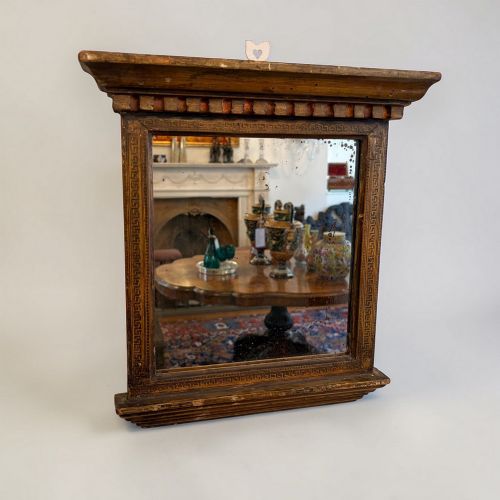
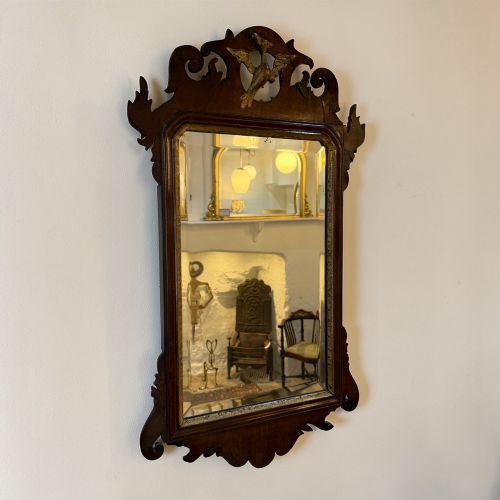
19th Century Style Mirror
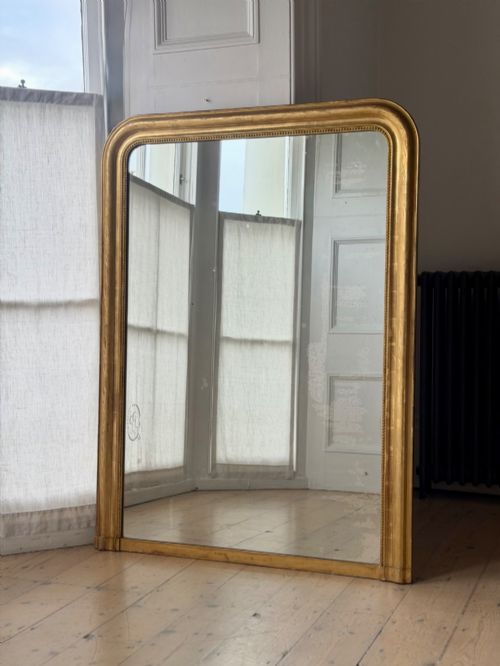
A 19th century style mirror brings ornamental presence and reflected light to a room through traditional carved wood and gilded surfaces.
19th Century Style Mirror
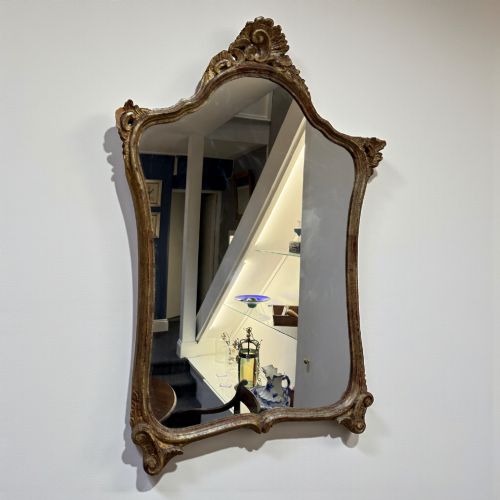
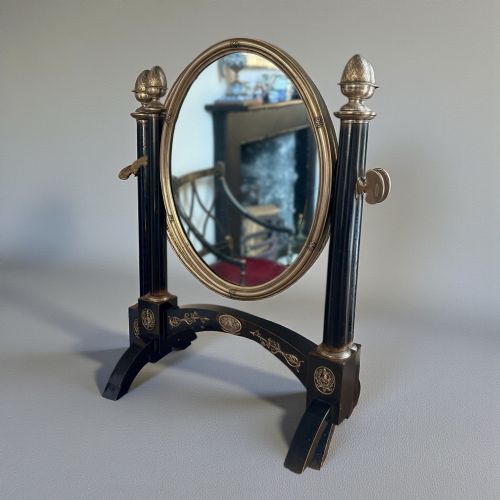
A 19th century style mirror encompasses large overmantle glasses, tall wall pieces, and dressing table swing mirrors produced across the Victorian era. These objects frequently display revival aesthetics, drawing on earlier decorative traditions from French and English design vocabulary.
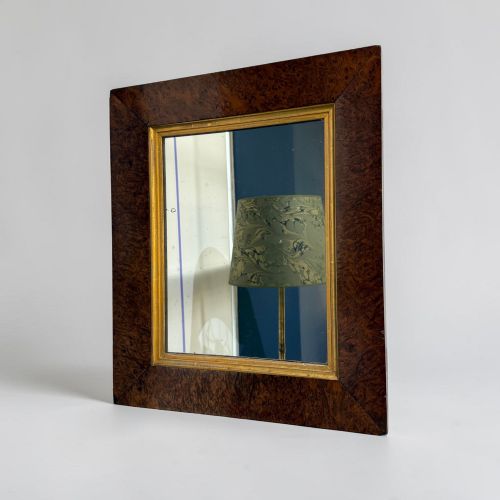
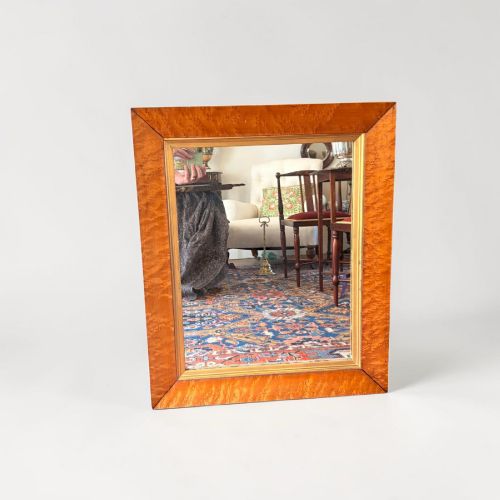
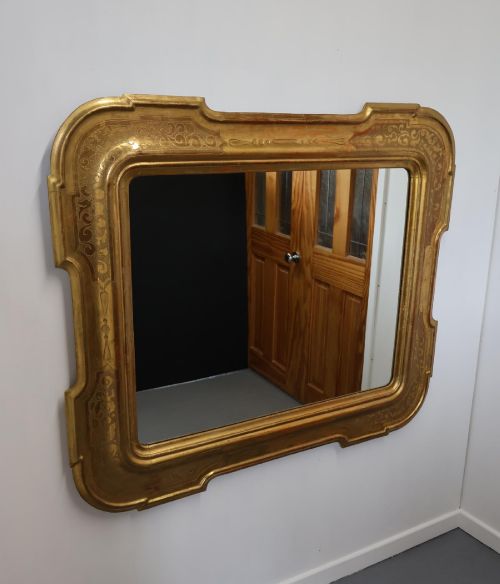
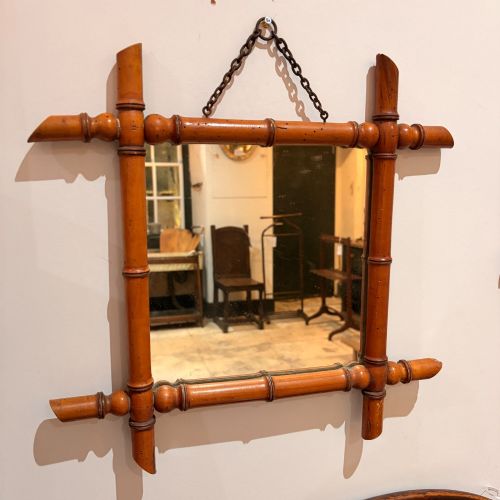
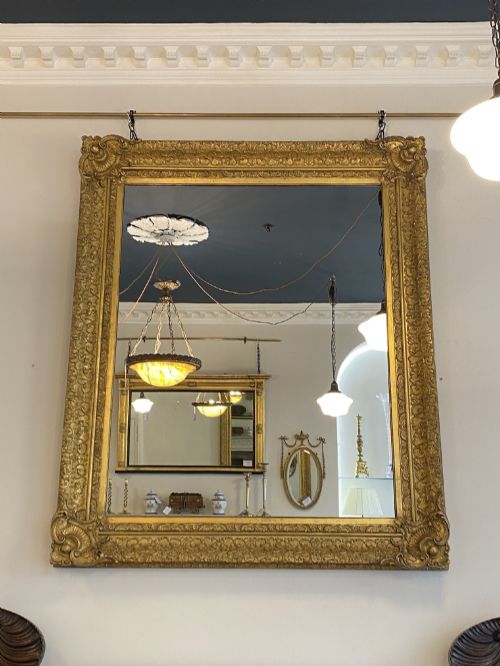
The selection ranges from elaborate giltwood statement pieces intended for principal reception rooms to compact mahogany fretwork frames suited to intimate spaces. Many examples exhibit regional characteristics, spanning English craftsmanship alongside French chateau and Florentine work.
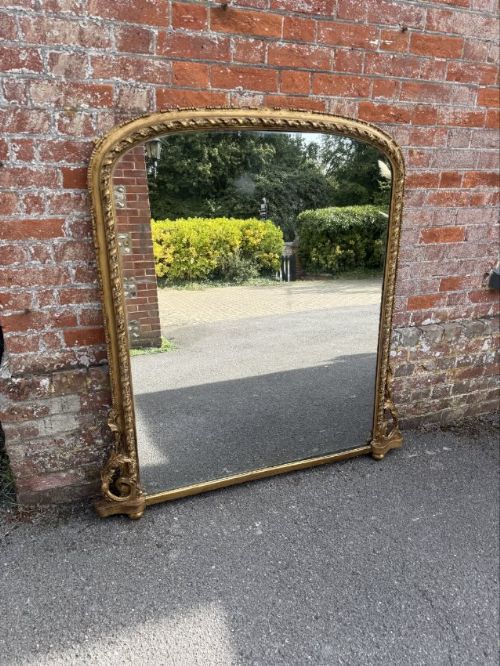
Wall mirrors and grand overmantle glasses dominate the selection, often featuring arched tops, crested pediments, or detailed compositional mouldings. Buyers encounter both original period items and pieces styled after specific historical reigns.
How they were made
Construction relies heavily on carved wood foundations, particularly mahogany, oak, and rosewood, which provide stable support for heavy glass plates. Artisans shaped these timber frames using traditional joinery before applying decorative surface treatments.
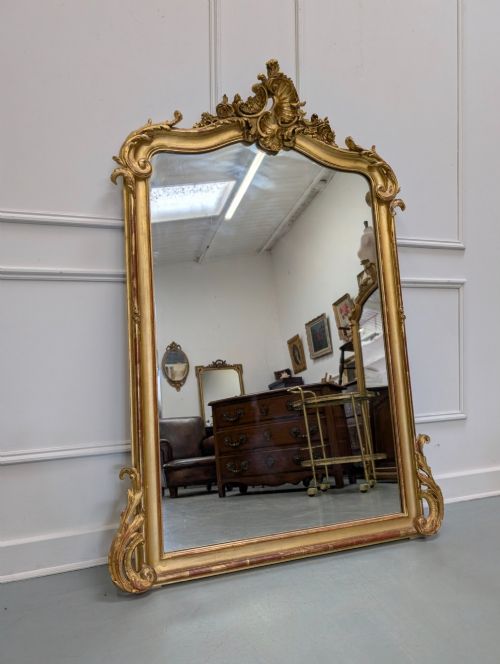
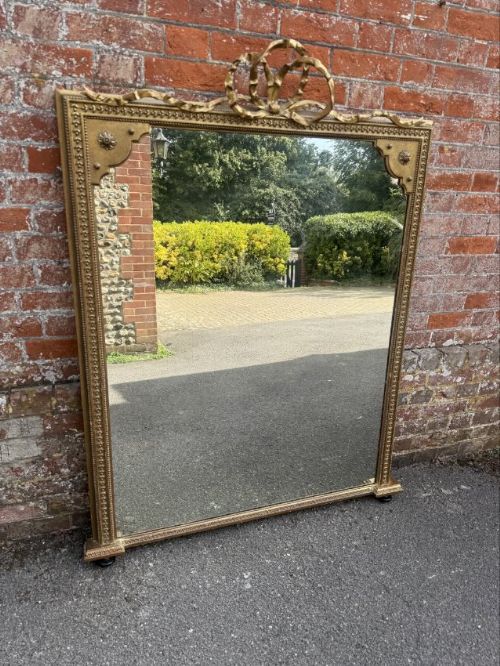
Gesso and gold leaf applications define the glittering finish characteristic of many pieces, building up dimensional relief work that catches the light. Composition ornament was frequently moulded and applied to wooden substrates to achieve complex scrollwork and floral motifs efficiently.
Mirror glass plates were silvered and fitted into rebated frames, sometimes incorporating multiple plates or bevelled edges to enhance visual depth. Ormolu mounts and gilt bronze details appear on select French furniture-integrated mirrors.
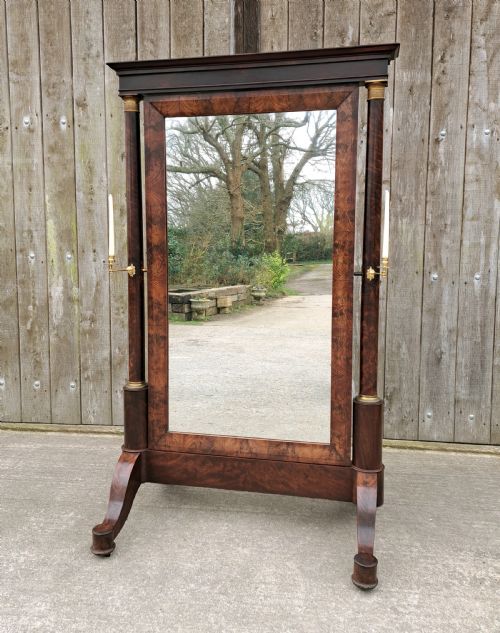
Listings feature woods like mahogany alongside opulent giltwood finishes, reflecting diverse nineteenth-century aesthetic choices.
What varies in quality
The depth and crispness of the hand-carved wooden relief separate superior examples from standard production pieces. Fine execution in gesso work shows sharp undercut details and smooth contours rather than soft, muddy moulding.
The integrity of the original gilding and the preservation of the antique mirror glass contribute significantly to an item's standing. Superior pieces retain cohesive gold leaf surfaces and heavy, clear glass plates with appropriate age patination.
The 19th Century Style Mirror Glossary
- Overmantle mirror
- A large glass specifically designed to hang above a fireplace mantelpiece. These pieces often feature wide horizontal proportions and ornate crests.
- Giltwood
- Timber that has been coated with a thin layer of gold leaf over a prepared gesso ground. This technique creates a radiant, durable metallic finish.
- Gesso
- A plaster-like mixture applied to wood frames to create a smooth surface for gilding or to build up low-relief ornamentation. It is typically chalk or gypsum mixed with a binding agent.
- Cheval mirror
- A full-length freestanding mirror suspended in a frame on pivots, allowing the glass to tilt. These frequently incorporate solid wood uprights and sturdy floor feet.
- Rococo revival
- A decorative style popular in the nineteenth century that imitates the asymmetrical scrolls, C-curves, and naturalistic shell motifs of the eighteenth-century French movement.
19th Century Style Mirror: Frequently Asked Questions
How do I hang a heavy overmantle mirror?
Large overmantle mirrors require secure attachment directly into masonry walls or substantial timber studs using appropriate heavy-duty brackets. The weight distribution must be carefully calculated across multiple fixing points to ensure stability.
Professional installation is strongly recommended for monumental giltwood pieces due to their considerable mass and fragile frame construction.
What is a girandole mirror?
A girandole is a decorative wall mirror that incorporates attached candle sconces projecting from the frame. The polished glass surface and metallic finish help to amplify the candlelight within a dark room.
These pieces were typically used in pairs in formal drawing rooms during the nineteenth century.
How do I distinguish French and English styles?
French nineteenth-century mirrors often showcase flamboyant Louis XV or Louis XVI revival curves, asymmetrical cartouches, and rich gold leaf surfaces. English examples frequently favour architectural symmetry, mahogany veneers, or restrained neoclassical detailing.
Examining the underlying timber species and construction methods helps confirm the likely regional origin of the piece.
Can I clean antique mirror glass?
Antique mirror glass should be dusted gently with a soft, dry cloth to prevent scratching the fragile silvering behind the plate. Avoid harsh modern chemical cleaners that can seep behind the edges and damage the original backing.
Moisture must be kept away from wooden frames and gesso mouldings during any routine maintenance.