
19th Century Statue
A 19th century statue brings classical mythology, animal studies and religious figures into the home through enduring metal and carved stone.
19th Century Statue
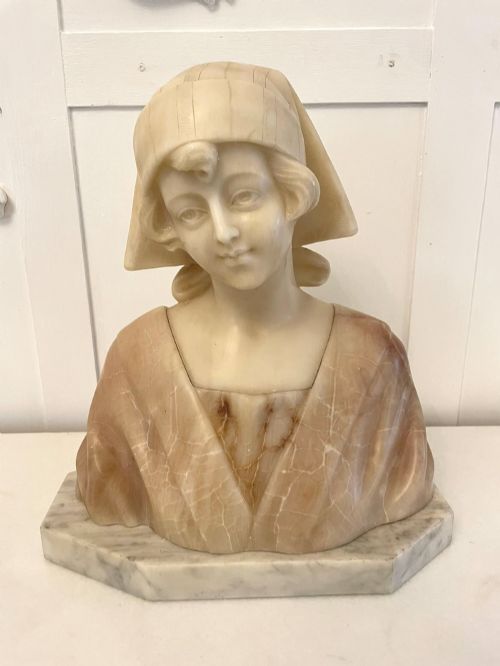
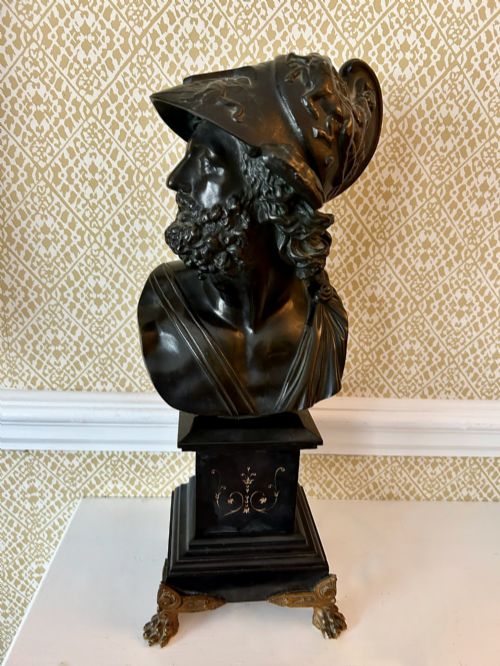
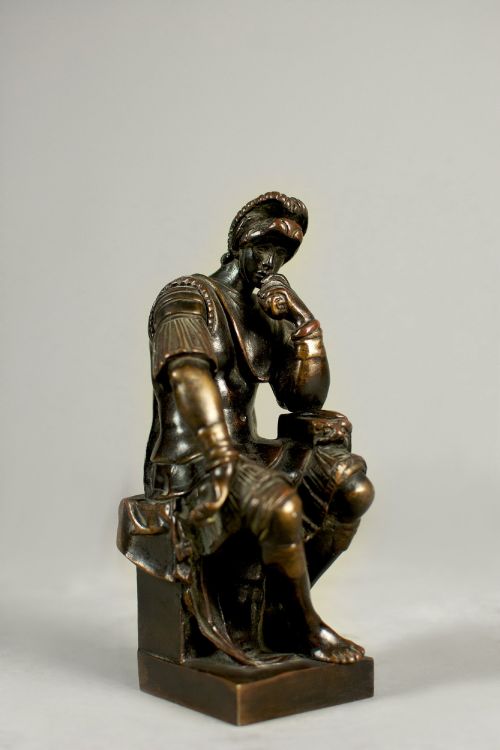
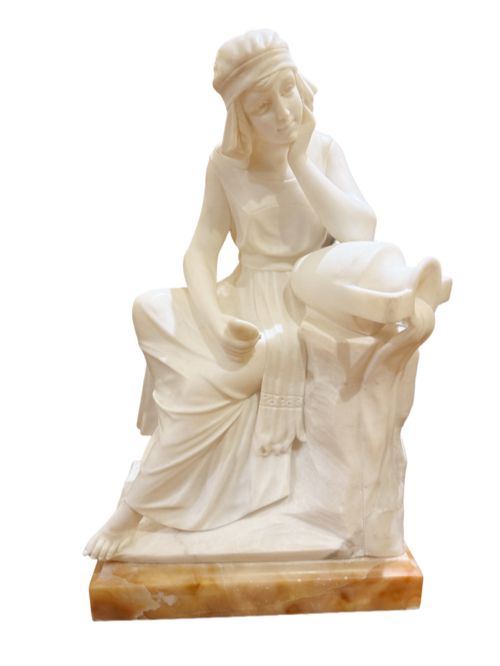
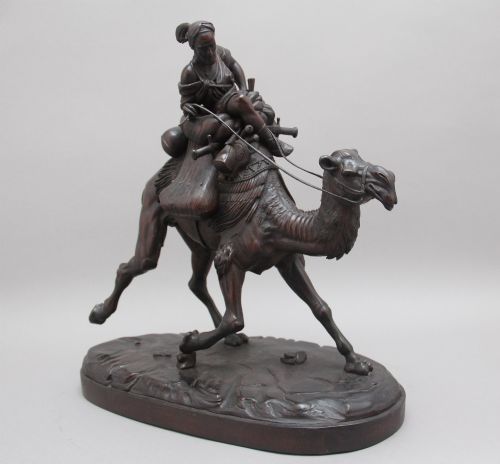
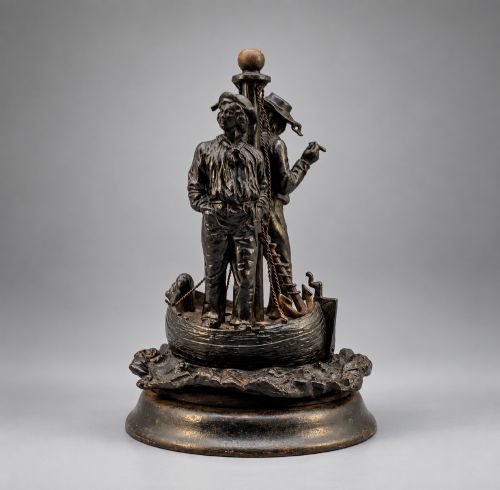
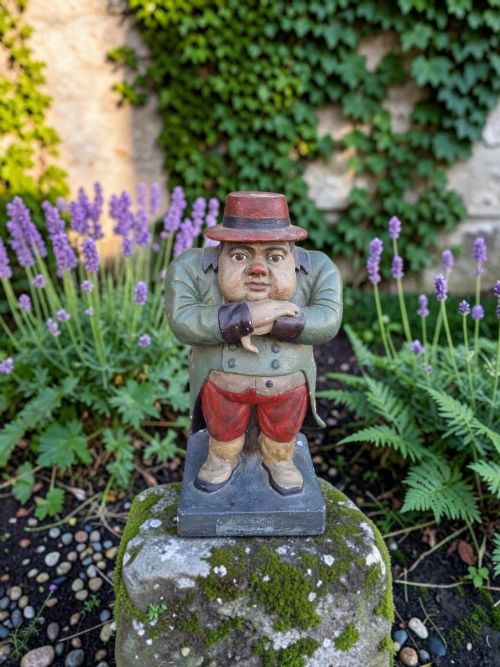
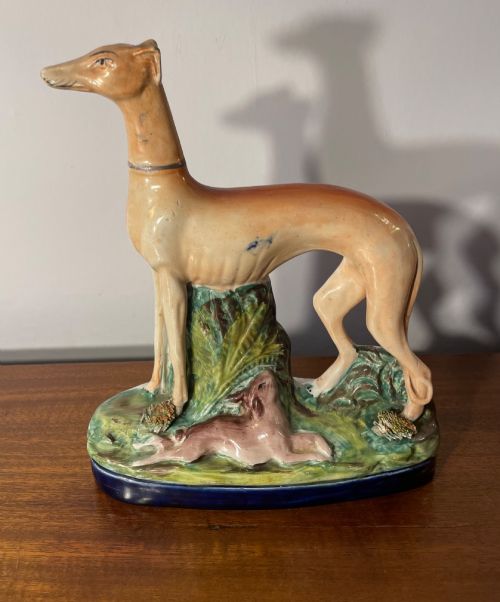
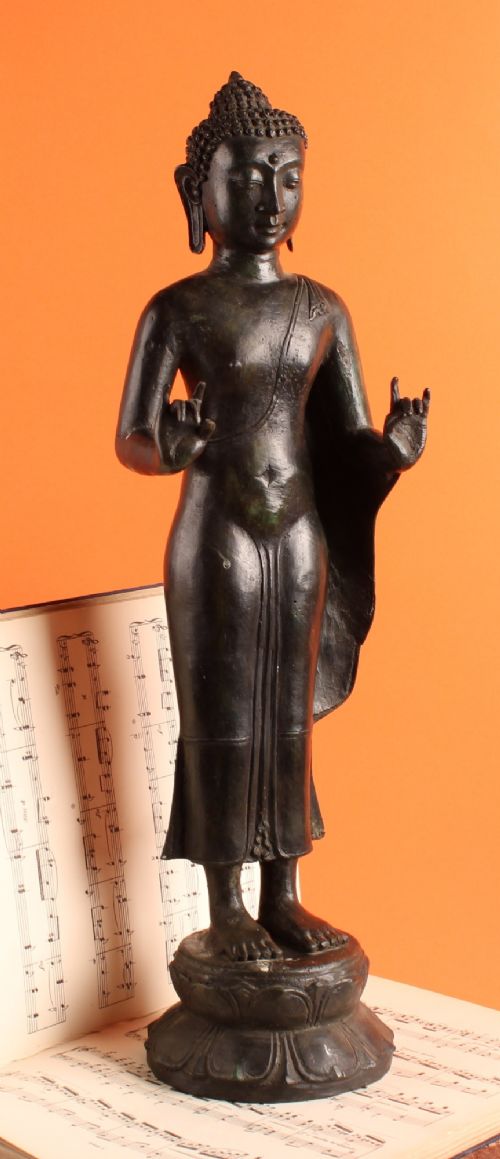
A 19th century statue encompasses figural sculpture, animalier studies and religious icons produced across Europe, Asia and the Americas. Collectors encounter grand tour bronzes of classical deities alongside earthenware pottery animals and carved wooden religious figures.
The material palette spans cast bronze, veined marble, carved fruitwood, earthenware and porcelain. Works range from small cabinet bronzes to monumental temple guardians and life size human figures.
Origin points reflect global production networks, including French ateliers, Italian marble workshops, German porcelain factories and Burmese or Chinese studios. Pieces draw on Neoclassical, Animalier and traditional regional styles.
How They Were Made
Metal sculptures were cast using the lost wax method or sand casting, often finished with chased details and patination or fire gilt ormolu. Bronze foundries employed skilled metalworkers to sharpen cast lines and apply complex chemical patinas.
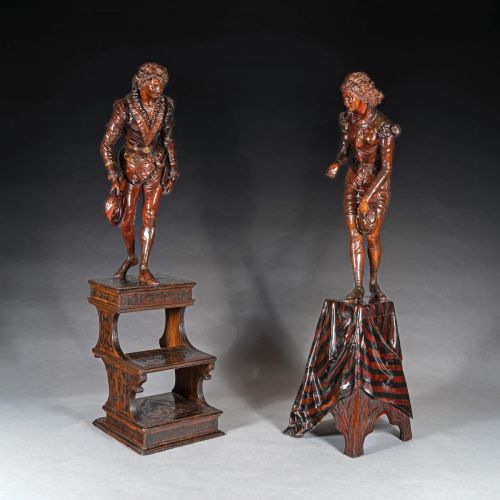
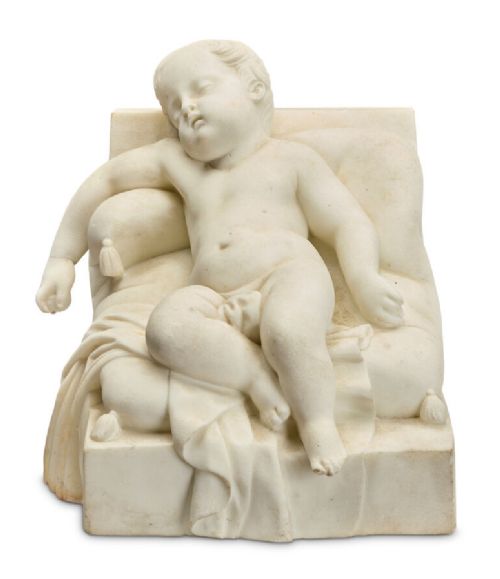
Stone and wood pieces rely on hand carving with chisels, gouges and rasps, followed by polishing or painting. Marble carvers worked from plaster models, utilising calipers to transfer measurements directly into the block.
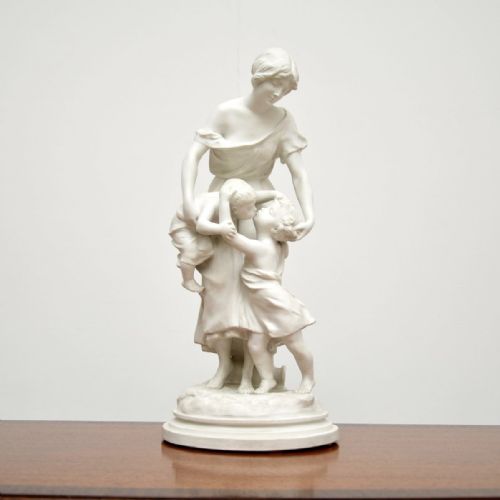
Ceramic and earthenware figures underwent slip casting or moulding before receiving hand painted enamel glazes and high temperature firing. Porcelain works such as Meissen groups combined multiple moulded sections assembled with liquid clay slip.
Listings feature bronzes, marbles and ceramics from British, French, Italian, German, Chinese, Burmese and Indian origins spanning the nineteenth century.
What Varies In Quality
Carved pieces are distinguished by anatomical accuracy, depth of undercut and the sensitivity given to hands, drapery and expression. Master carvers extracted naturalistic tension from wood and stone, whereas lesser works remain stiff and blocky.
Surface finish and patination dictate visual depth, with original chemical patinas or hand applied polychrome pigments holding greater integrity than later repainting. Signature marks from documented founders or modellers elevate the standing of a piece.
Carl Kauba·Etienne Henri Dumaige·Ferdinand Barbedienne·Carlo Albacini·P J Mene·Alios Mayer
The 19th Century Statue Glossary
- Animalier
- A nineteenth-century artistic movement and style dedicated to the realistic depiction of animals, particularly predators, horses and domestic beasts.
- Grand Tour
- A cultural journey undertaken by wealthy young Europeans to collect classical antiquities, small bronzes and carved architectural models as mementos.
- Lost wax casting
- A metal casting technique where a molten metal is poured into a mould that has been created by melting away a wax model.
- Ormolu
- Gilt bronze decorative metalwork applied to furniture, mounts or statuary, created by fusing a mercury and gold amalgam to a bronze base.
- Neoclassical
- A revival of classical style and subject matter inspired by ancient Greek and Roman art, prevalent throughout the nineteenth century.
- Spelter
- A zinc alloy frequently utilised as a less expensive substitute for bronze in nineteenth-century decorative figural casting.
19th Century Statue: Frequently Asked Questions
How do I clean bronze?
Dust bronze figures gently with a soft dry cloth to prevent accumulation in recessed crevices. Avoid commercial metal polishes, which strip original patinas and leave abrasive residues.
Apply a microcrystalline wax sparingly if the surface requires protection against moisture or handling. Buff lightly with a clean cloth after application to maintain a stable finish.
What is an animalier statue?
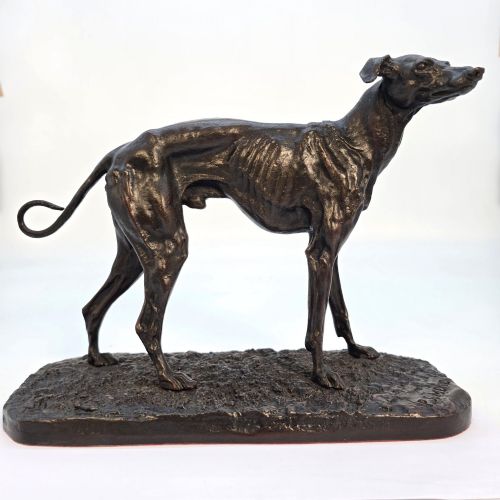
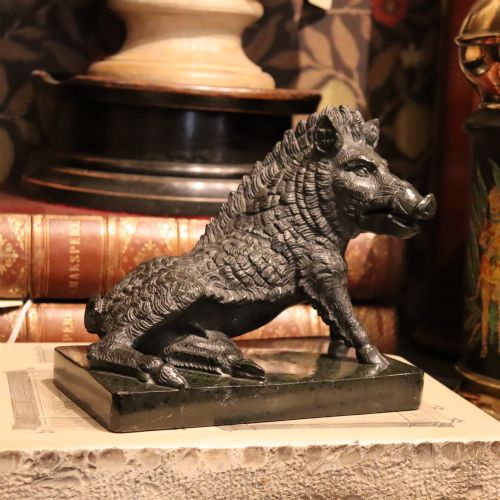
An animalier statue depicts animals in dynamic, naturalistic poses, capturing movement, musculature and behaviour. These sculptures gained immense popularity across Europe during the nineteenth century.
Artists observed wildlife in menageries and rural settings to render realistic anatomy. Collectors prize these bronzes for their spirited observation and meticulous surface chasing.
Where were grand tour bronzes made?
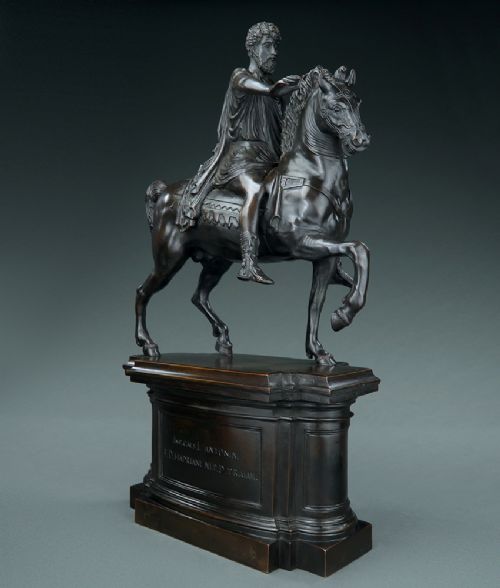
Grand tour bronzes were primarily cast in Italian workshops located in Rome, Florence and Naples for travelling collectors. French foundries in Paris also produced faithful reductions of classical monuments for the tourist market.
These pieces served as portable education and status symbols for travellers completing their continental education. They reproduce famous antique sculptures found in public museums and excavation sites.
How do I date a marble sculpture?
Dating marble sculpture involves examining tool marks, weathering patterns, stylistic conventions and the composition of the marble itself. Nineteenth-century pieces often utilise machine-assisted pointing marks alongside hand finishing.
Inspect the underside and mounting points for signs of age, oxidation around iron pins, and historical adhesives. Signatures or workshop stamps incised directly into the stone base offer reliable chronological anchors.