



19th Century Silver Cutlery
These pieces of 19th century silver cutlery bring period weight and engraved detail to the table, offering durable functionality alongside historic craftsmanship.
19th Century Silver Cutlery
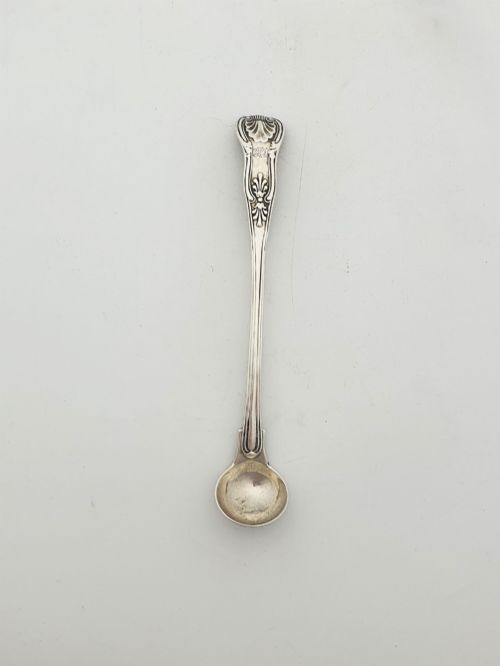
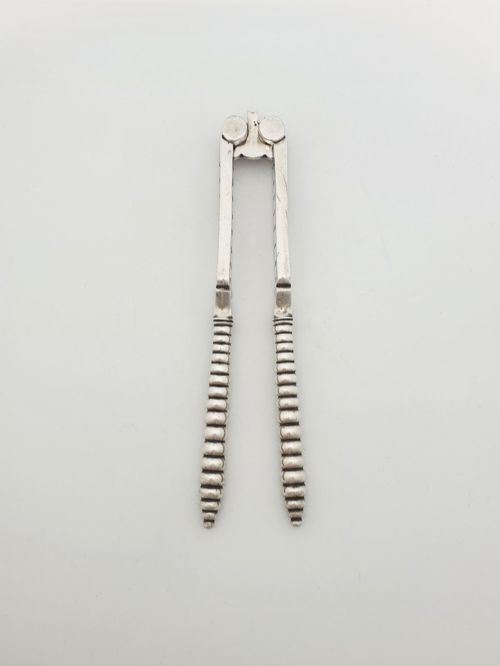
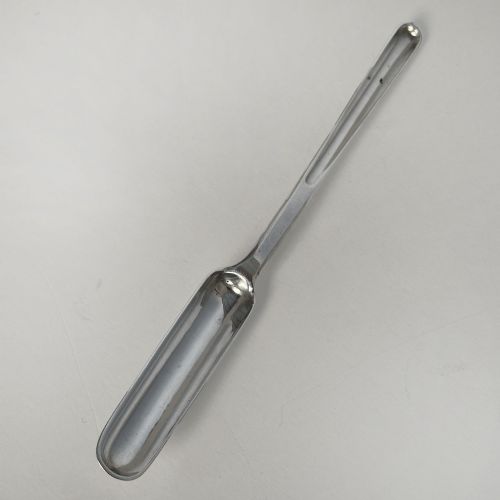
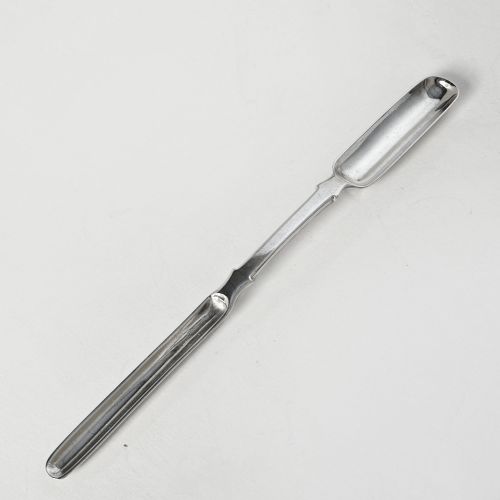
The assortment moves between complete sets for multiple persons, individual serving spoons, marrow scoops, and specific items like lobster crackers or sardine servers. Sterling silver and silver plate form the core of these listings, often paired with auxiliary materials.
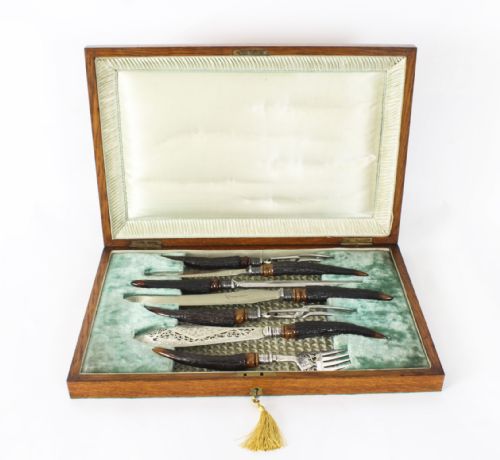
Origin points stretch from English and Irish provincial towns to continental workshops, capturing the shifting domestic habits of the period. Buyers most frequently meet Victorian sterling silver fiddle pattern pieces and silver-plated items housed in fitted wooden boxes or trays.
Materials and construction methods
Silversmiths utilised solid sterling silver, high-grade continental silver, and durable silver plate over base metal substrates to form these utensils. Handles frequently incorporate organic elements such as mother-of-pearl, tortoiseshell, antler horn, and wood, adding tactile contrast to the metal bowls and tines.
Techniques range from traditional hand-forging and piercing to detailed cloisonne enamel work and naturalistic casting. Fitted storage vessels employ mahogany, oak, and velvet linings to protect the metal surfaces during travel or domestic use.
19th Century Silver Cutlery Retail Price Guide 2026
Typical asking prices for 19th century silver cutlery among the pieces listed under this phrase on Sellingantiques today, from the lower quarter to the upper quarter. They describe what is for sale here now, not the wider market.
Listings feature periods from the Georgian era through the Victorian age, incorporating sterling silver, silver plate, mother-of-pearl, oak, and tortoiseshell.
Evaluating craftsmanship and condition
Quality separates through the crispness of hallmarks, the weight of the metal, and the precision of decorative chasing or engraving. Thicker gauge silver maintains structural integrity through decades of use, whereas thinner plating shows wear down to the base metal.
The integration of fitted cases, specialised handles like mother-of-pearl or tortoiseshell, and intact enamel work elevate individual pieces above standard utility ware. Maker marks from recognised silversmiths further define the upper tier of the range.
Edward Power·Jonathan Hayne·George Unite·Vasily Agafonov·Thomas Harwood and Co·Henri Soufflot
The 19th Century Silver Cutlery Glossary
- Sterling silver
- A silver alloy containing 92.5 percent pure silver and 7.5 percent other metals, usually copper, ensuring structural durability for daily dining.
- Silver plate
- A manufacturing method where a thin layer of silver is fused onto a base metal core such as copper or nickel brass.
- Fiddle pattern
- A traditional 19th-century flatware handle design featuring a slender stem that broadens near the end into a distinct shoulders and a squared terminal.
- Marrow scoop
- A narrow, double-ended spoon designed for extracting bone marrow, featuring trough-like bowls of differing sizes.
- Cloisonne
- An enamelwork technique where decorative compartments are created by soldering flat metal wires onto the metal base before filling with coloured glass paste.
19th Century Silver Cutlery: Frequently Asked Questions
How do I care for antique silver cutlery?
Wash silver cutlery by hand using warm water and a mild dish soap immediately after use to remove food residues. Dry them thoroughly with a soft cloth to prevent water spots.
Avoid soaking items with organic handles like mother-of-pearl, tortoiseshell, or horn in water. Store pieces in lined wooden boxes or anti-tarnish rolls to minimise exposure to air.
Can I use these items for everyday dining?
Many solid silver and robust silver-plated utensils remain fully functional for regular meals. Their heavier gauge metal often surpasses the durability of modern mass-produced equivalents.
Delicate items featuring intricate cloisonne enamel, fragile mother-of-pearl, or hollow handles require careful handling and are better reserved for special occasions.
How do I identify the date and origin?
Examine the stamped hallmarks and maker marks usually located on the reverse of the stem or base of the bowl. These symbols typically indicate the city of assay, the specific year of testing, and the silversmith's registered mark.
Stylistic cues such as the fiddle pattern shape, naturalistic Victorian casting, or regional continental engraving styles also provide reliable clues to the decade of manufacture.