





19th Century Silver Coolers
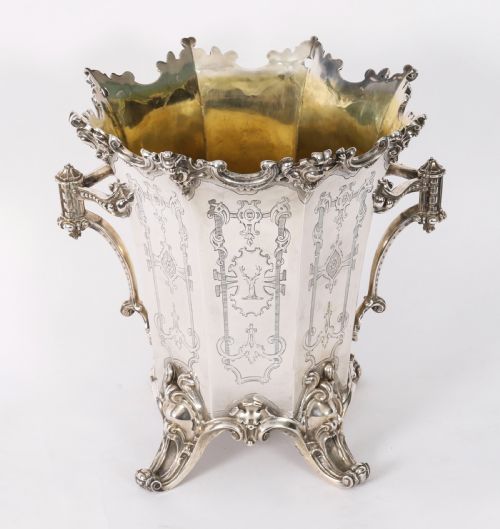
These 19th century silver coolers are substantial vessels designed for dining tables, bringing period presence and practical service to your home.
19th Century Silver Coolers
When you search for 19th century silver coolers, you encounter robust vessels created to chill wine or champagne during formal dining. The examples on this page span the Georgian, Regency, and Victorian eras, reflecting shifting tastes in interior decoration.
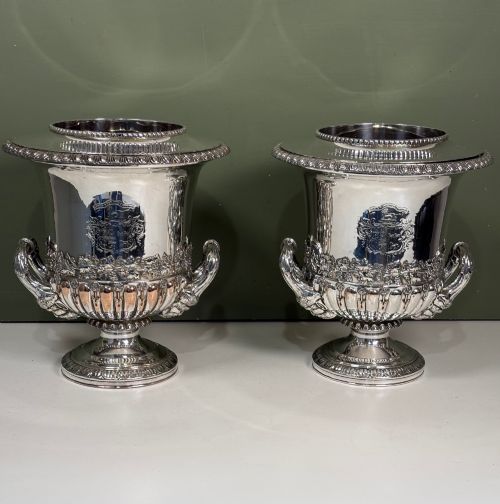
You are most likely to meet silver plated or Old Sheffield Plate campana forms and traditional wine coolers from this period. Makers utilised durable base metals fused or plated with precious silver to achieve grand visual impact without solid metal costs.
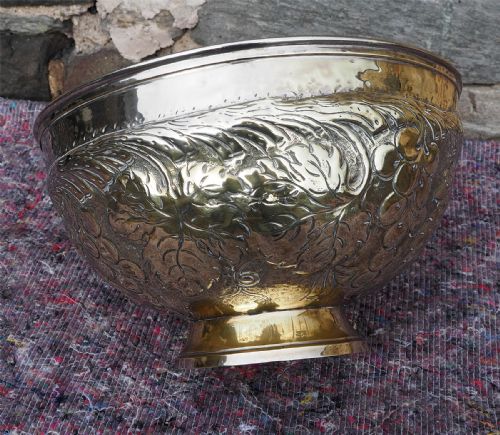
The forms range from classical campana urns to large punch bowls and dedicated ice buckets. Each piece demonstrates the heavy gauge metal and decorative embossing characteristic of nineteenth-century manufacturing centres.
Materials and Construction
Craftsmen built these vessels using copper, brass, and nickel silver as strong foundations for precious metal layers. Old Sheffield Plate fuses a thin sheet of sterling silver to a copper core through heat and pressure.
Later Victorian pieces often utilise electroplated nickel silver, a technique that deposited silver evenly across a white metal base. Skilled silversmiths then applied cast handles, applied borders, and hand-chased foliage details.
Gilt highlights occasionally appear inside bowls or along rims, providing a contrasting golden interior tone. The combination of durable base metals and careful plating ensured these coolers survived decades of heavy use.
19th Century Silver Coolers Retail Price Guide 2026
Typical asking prices for 19th century silver coolers among the pieces listed under this phrase on Sellingantiques today, from the lower quarter to the upper quarter. They describe what is for sale here now, not the wider market.
Listings feature items from the 19th Century, Regency, and Georgian periods, utilising silver plate, copper, brass, and old Sheffield plate.
Factors of Quality
The standard of a 19th century silver cooler depends largely on the integrity of its plating and the crispness of its cast decoration. Thicker layers of original silver wear down more evenly and retain more of the underlying bright finish over generations.
Hand-chased detailing and cast handles indicate higher workshop standards than pressed or stamped ornament. The weight of the metal and the balance of the vessel also reveal the maker's commitment to sturdy construction.
Makers marks stamped into the base offer clear evidence of quality, distinguishing workshop output from unmarked commercial items. Pieces retaining their original gilt interiors display a higher level of finish from the outset.
Elkington, Mason & Co·Hawksworth, Eyre & Co
The 19th Century Silver Coolers Glossary
- Campana
- A bell-shaped vessel with a flaring rim and a footed base, frequently utilised for classical wine coolers.
- Old Sheffield Plate
- A material made by fusing a thin layer of silver to a copper ingot before rolling them into sheets together.
- Electroplated Nickel Silver
- A modern plating method introduced in the nineteenth century using an electrical current to bond silver to a nickel alloy base.
- Gilt
- A thin layer of gold applied to the interior or specific decorative elements of a metal vessel.
- Chasing
- A metalworking technique where a hammer and punches push the metal from the front to create raised surface patterns.
19th Century Silver Coolers: Frequently Asked Questions
How were silver coolers used?
These vessels sat on dining tables or sideboards filled with ice and water to chill wine and champagne bottles during long meals.
Servants used them to keep bottles at the correct temperature before pouring them for guests.
What is Old Sheffield Plate?
Old Sheffield Plate is an early composite material created by fusing silver and copper together through heating rather than electricity.
This method produced durable items with a genuine silver surface that gradually reveals the warm copper beneath after decades of polishing.
How do I clean my cooler?
Clean silver plated items gently using a soft cloth and a specialised silver cream designed for plated surfaces.
Avoid harsh abrasive cleaners that can wear away the thin silver layer and expose the base metal underneath.
How can I date my cooler?
Dating relies on stylistic clues like classical campana shapes from the Regency period or ornate floral revival motifs from the Victorian era.
Stamps, maker marks, and manufacturing techniques such as early plating methods also help narrow down the decade of production.