



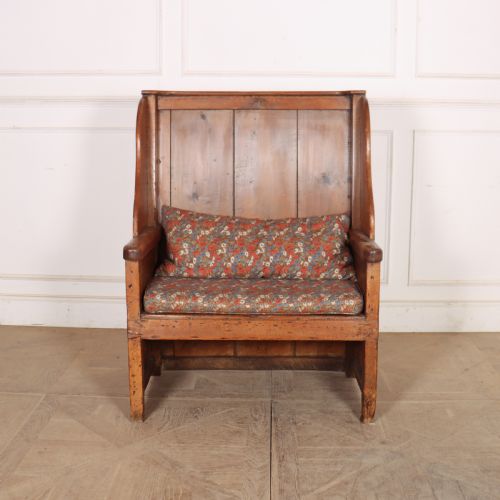


19th Century Pine Settle
A 19th century pine settle offers rustic charm and practical seating, bringing solid timber construction and regional character straight into a hallway or kitchen.
19th Century Pine Settle
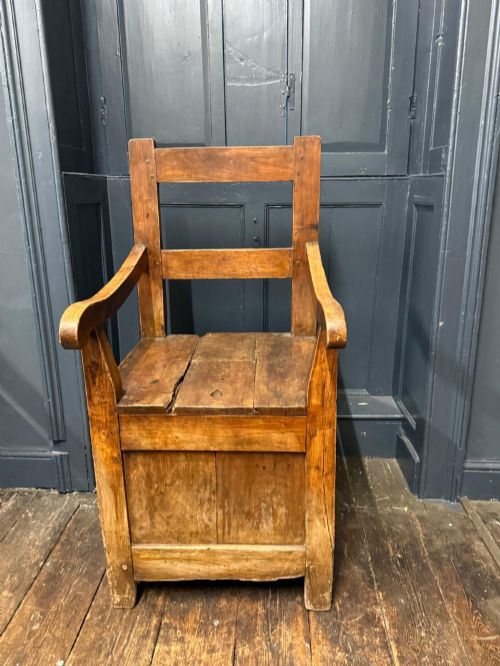
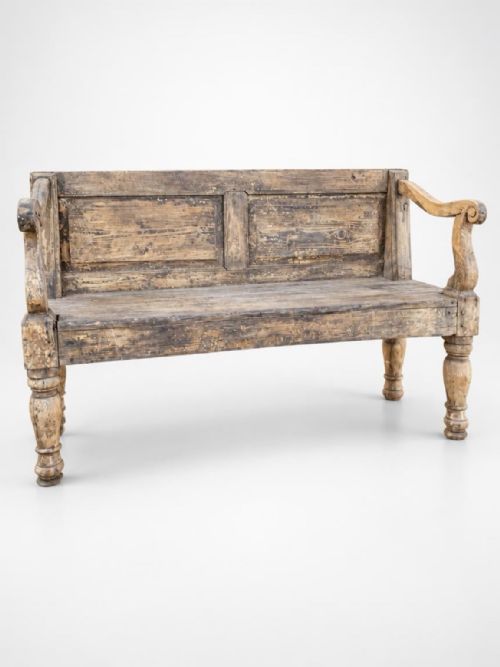
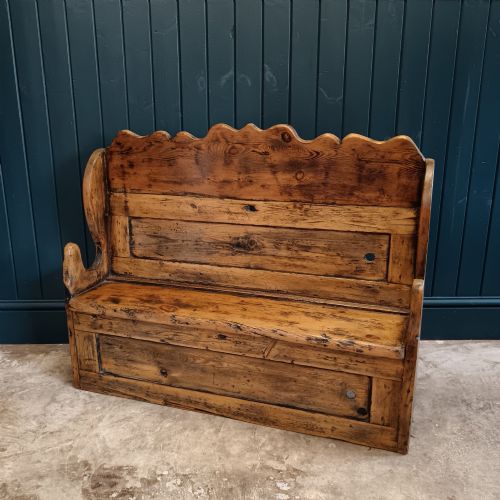
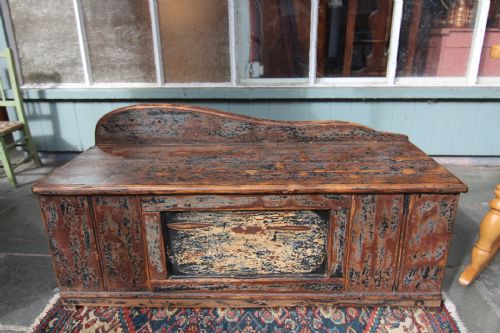
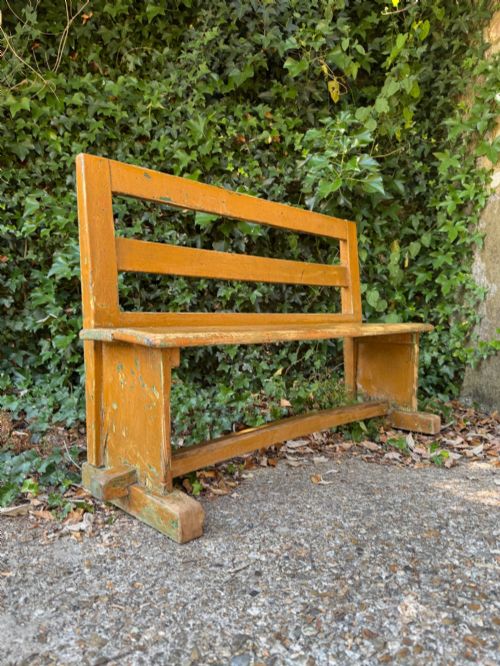
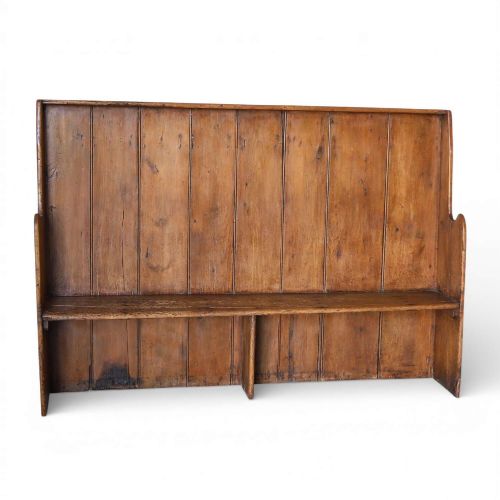
A 19th century pine settle is a high-backed wooden bench designed to block draughts in farmhouse kitchens and hallways, frequently incorporating a box seat for storage. These pieces appear in various regional forms across the listings, ranging from English country benches to Scandinavian country designs.
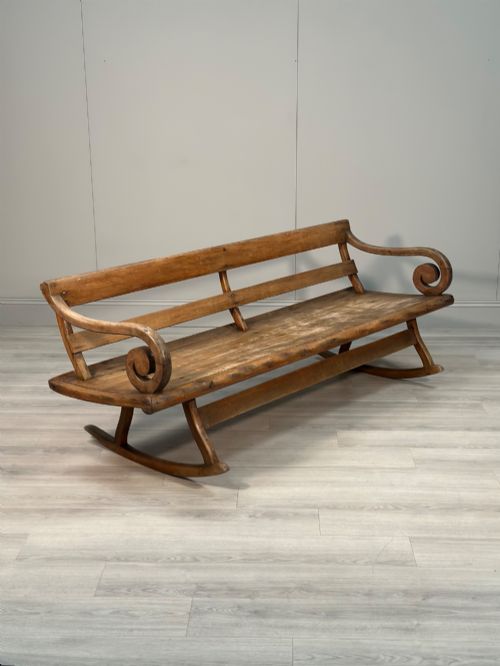
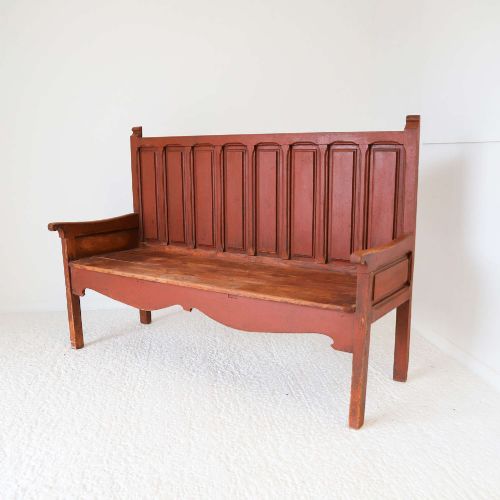
Buyers meet regional interpretations such as Welsh pine settles, Spanish painted settle benches, and Hungarian box settles alongside English and Austrian examples. Forms vary from simple high-back benches to rocking settles, corner seats, and curved combinations of oak and pine.
The materials span primarily softwood and pine, often complemented by elm, oak, walnut, and fabric, with numerous items featuring original paintwork or polychrome decoration. Makers and craftsmen from different European traditions shaped these seats to serve domestic needs with sturdy practicality.
How they were made
Carpenters constructed these settles using solid pine and softwood timbers, frequently combining them with denser woods like elm, oak, or walnut for structural strength in high-stress areas. Joinery relied on traditional pegged and framed methods suited to heavy everyday use in domestic settings.
Many examples received coats of paint, including polychrome finishes, cream and green schemes, or regional folk art decoration, while others developed a natural honey brown patina over decades of handling.
19th Century Pine Settle Retail Price Guide 2026
Typical asking prices for 19th century pine settle among the pieces listed under this phrase on Sellingantiques today, from the lower quarter to the upper quarter. They describe what is for sale here now, not the wider market.
Some adventurous domestic occupants traded static dignity for motion, resting upon antique rocking settles that turned country seating into an indoor swing.
What varies in quality
Quality in these settles rests upon the integrity of the timber framing, the survival of original painted surfaces, and the authenticity of regional decorative details. Pieces retaining their early or original paint schemes command distinct interest compared to later stripped or refinished surfaces.
Proportions and structural balance also separate standard examples from finer country pieces, particularly where curved backs, integrated storage boxes, or uncommon regional forms like Gustavian sofas are involved.
The 19th Century Pine Settle Glossary
- Settle
- A wooden bench with a high back, solid arms, and often a box seat compartment underneath. This design helped shield occupants from cold draughts in historical homes.
- Box settle
- A settle featuring a hinged seat that lifts to reveal storage space below. This dual-purpose furniture maximised utility in smaller rooms.
- Patina
- The surface sheen and colour acquired by wood through age, wear, and handling. A honey brown patina indicates decades of use and care.
- Polychrome
- Decorated or painted in several colours. This finish appears frequently on folk art and continental European pieces.
19th Century Pine Settle: Frequently Asked Questions
Where should I place a settle?
These benches sit well in spacious hallways, large kitchens, or living areas where their high backs can anchor a seating arrangement. Their built-in storage also makes them practical for boots and household items.
Ensure you measure both floor space and ceiling clearance before positioning a high-backed piece, as their proportions can dominate smaller rooms.
How do I care for painted pine?
Dust surfaces regularly with a soft, dry cloth and avoid placing the wood in direct sunlight or near heat sources that might cause the paint to crack. Moisture should be kept away from unsealed wooden areas.
Wax or aggressive cleaning products can damage original folk art or historical paintwork, so gentle maintenance is essential.
What is a box settle used for?
The compartment beneath the seat provided historical households with secure storage for blankets, dry goods, or clothing away from damp floors. Today, it serves the same practical purpose for everyday clutter.
Lift the seat hinges carefully to check the interior space and ensure the mechanism operates smoothly.
How can I tell where a settle was made?
Regional characteristics such as specific paint palettes, construction techniques, and timber choices often point to countries like Sweden, Hungary, Austria, or regions like Wales and England. Gustavian pieces display lighter, neoclassical painted styling, while folk art examples feature vibrant local motifs.
Examining the underlying softwood and secondary woods like elm or oak provides further clues regarding the workshop origin.