





19th Century Pharmacy Chest
These 19th century pharmacy chest items are utilitarian medical storage pieces that organise historic remedies, offering collectors compact compartment design and rich period timber character.
19th Century Pharmacy Chest
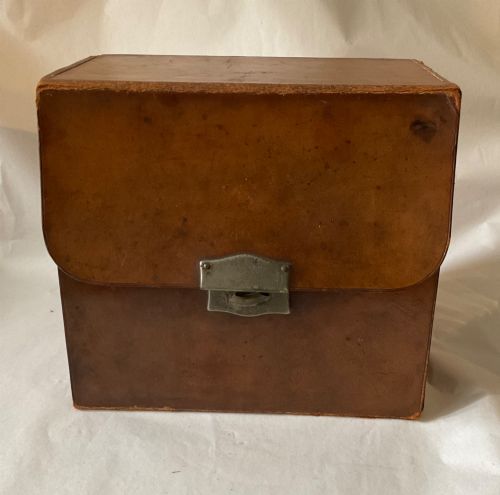
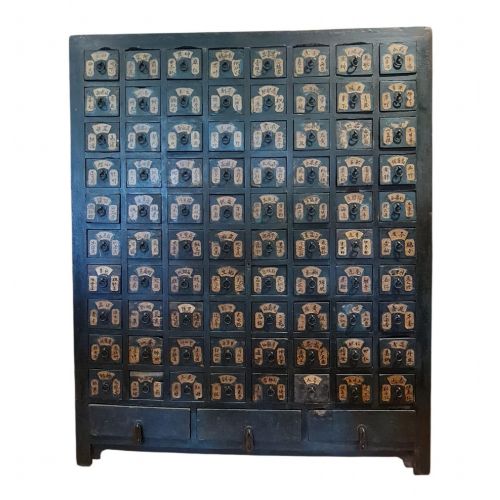
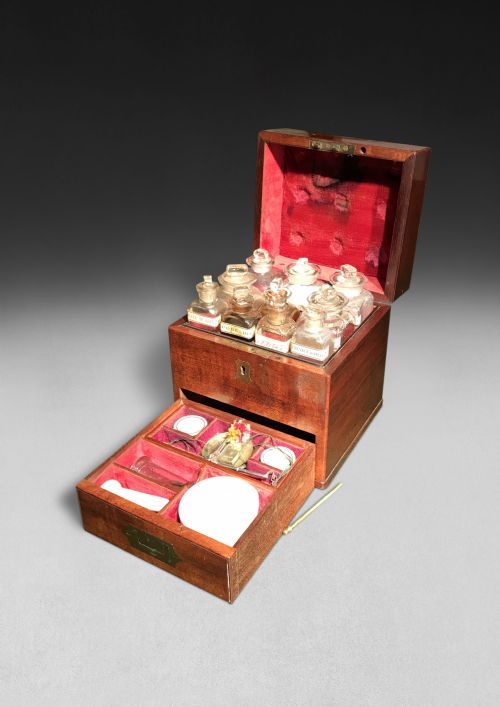
A 19th century pharmacy chest encompasses small portable travelling cases, multi-drawer apothecary cabinets, and tall storage banks designed to hold medical ingredients and glass bottles securely. The pieces seen here span compact travelling boxes and substantial multi-drawer storage units from the Georgian, Regency, and Victorian eras.
Buyers frequently encounter mahogany fitted boxes featuring internal glass bottles alongside larger banks of drawers and Chinese elm medicine cabinets. These items originate from British, French, and Chinese workshops, reflecting diverse medical and apothecary traditions of the period.
The primary forms include apothecary boxes, medicine chests, and banks of drawers designed for functional organisation. Each variant served a specific role in storing remedies, whether for travelling practitioners or fixed dispensary use.
Materials and construction methods
Cabinetmakers constructed these chests predominantly from mahogany and elm, utilising dense hardwoods to withstand regular use and protect fragile contents. Timber panels were joined with precision to house numerous small drawers or fitted internal compartments.
Brass hardware, including carrying handles, escutcheons, and hinges, reinforced the structural integrity of portable boxes while providing secure closure. Internal layouts frequently incorporated velvet or leather linings to cushion glass bottles and prevent transit damage.
19th Century Pharmacy Chest Retail Price Guide 2026
Typical asking prices for 19th century pharmacy chest among the pieces listed under this phrase on Sellingantiques today, from the lower quarter to the upper quarter. They describe what is for sale here now, not the wider market.
Listings feature mahogany, elm, brass, glass, velvet, and leather across pieces spanning the Regency, Victorian, and Chinese Qing Dynasty periods.
Quality variations across pieces
The distinction between standard and superior pieces rests on the completeness of original internal fittings, such as intact glass bottles and undamaged velvet or leather linings. Fine examples retain their original brass hardware and working locks without later replacement.
Carpentry detail defines the upper tier of these pieces, visible in tightly fitted drawer joints and well-figured mahogany or inlaid veneers. Structural soundness and untouched surfaces distinguish well-preserved examples from heavily restored or modified items.
The 19th Century Pharmacy Chest Glossary
- Apothecary box
- A compact wooden chest fitted internally to transport glass bottles, scales, and medicinal ingredients safely. These portable units date predominantly from the Georgian and Victorian periods.
- Bank of drawers
- A multi-drawer storage cabinet used in dispensaries and pharmacies to organise large quantities of dry herbs, minerals, and compounds. They offer numerous small compartments for systematic categorisation.
- Escutcheon
- A protective brass plate surrounding a keyhole on a chest or box door. It prevents the surrounding wood from wearing down through repeated use of the key.
- Fitted interior
- An internal arrangement of wooden dividers, slots, and compartments designed to hold specific medical accessories securely in place. Original fittings add significantly to a piece's historical integrity.
- Secretaire
- A cabinet incorporating a pull-down writing flap above internal drawers or compartments. In a pharmacy context, this surface provided space for recording prescriptions and compounding notes.
19th Century Pharmacy Chest: Frequently Asked Questions
What did they store inside?
These chests held glass medicine bottles, scales, mortars, and various raw ingredients used by apothecaries and doctors. The compartments kept fragile containers separated and secure during transit.
Larger drawer banks accommodated bulk dried herbs, roots, and chemical compounds required for daily dispensary operations.
How do I date a chest?
Dating relies on timber choices, brass hardware styles, and construction techniques typical of specific periods like the Regency or Victorian eras. Mahogany was common in British pieces, while specific drawer counts and softwood linings offer further clues.
Comparative analysis with known period examples helps establish whether a box originates from the early nineteenth century or the late Victorian decades.
Were all boxes portable?
Many smaller nineteenth-century boxes featured brass carrying handles intended for travelling medical practitioners and home use. These compact units were built to be moved easily between locations.
Conversely, large banks of drawers and tall pharmacy cabinets were heavy stationary fixtures designed to remain in fixed dispensary rooms.
How should I clean the wood?
Maintenance involves applying appropriate wax polish with a soft cloth to nourish dry nineteenth-century timber surfaces. Avoid harsh chemical cleaners that strip historic finishes and patina.
Gentle dusting of intricate drawer banks and brass handles preserves the physical integrity of the materials without causing abrasion.