

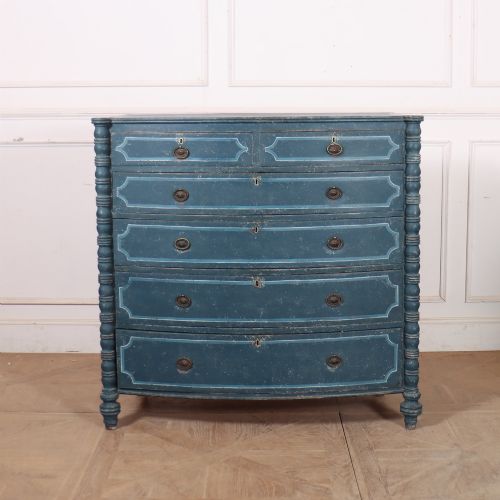
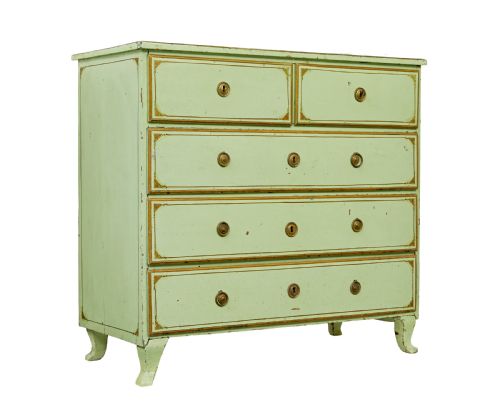
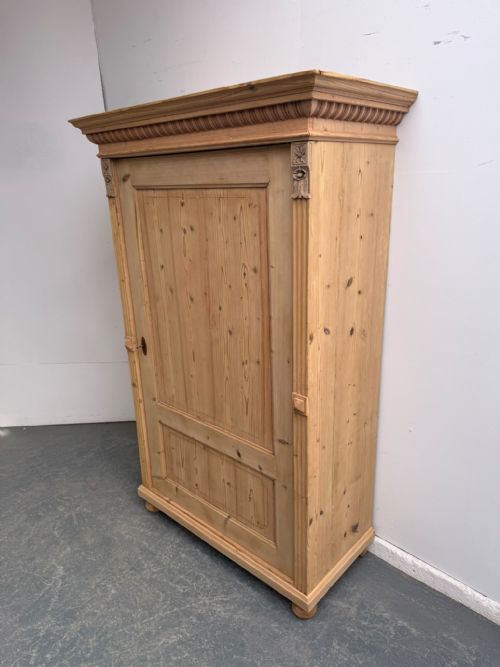
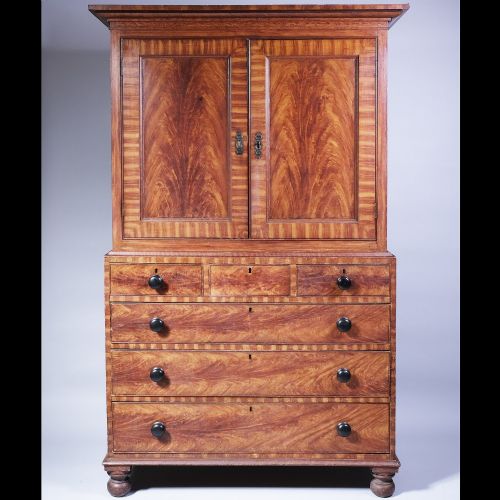
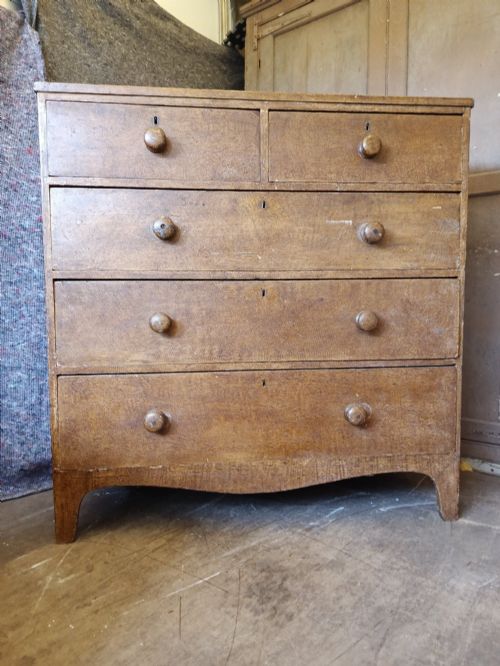
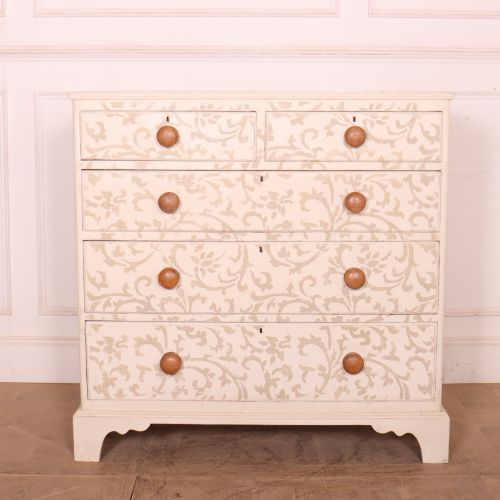

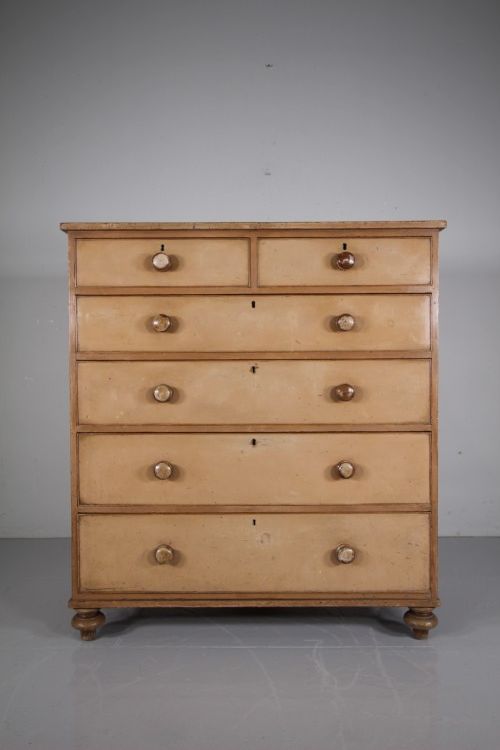
19th Century Painted Tallboy
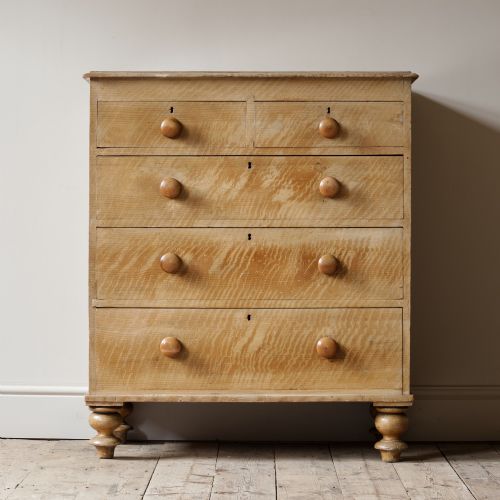
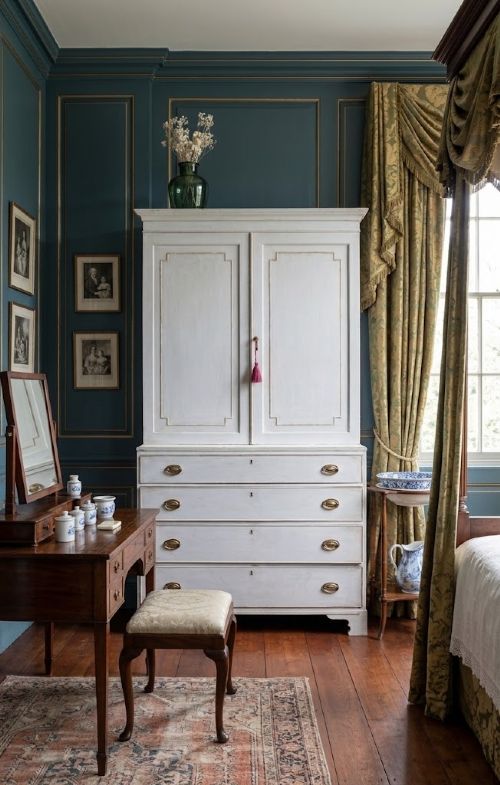
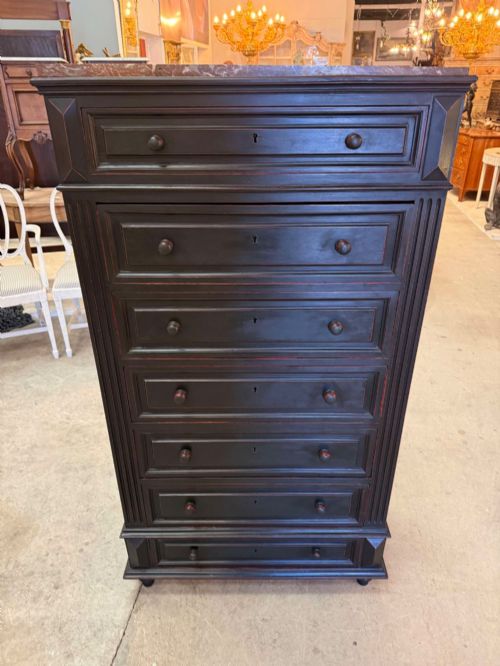
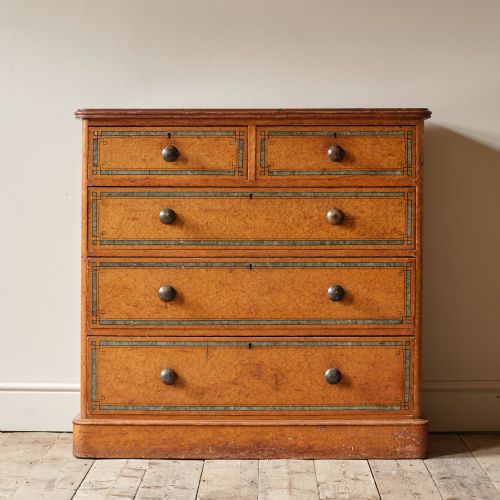
A 19th century painted tallboy brings domestic storage and regional colour into a room, offering upright stature and historic surfaces.
19th Century Painted Tallboy
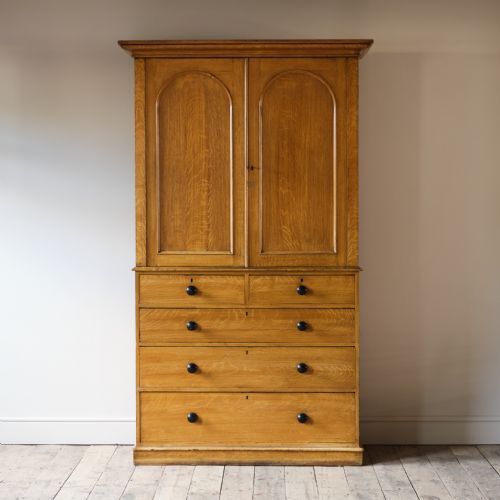
The 19th century painted tallboy category encompasses upright storage furniture, primarily chests of drawers and linen presses originating from the Georgian, Regency, and Victorian eras. Buyers seeking this phrase encounter vertical timber carcasses designed to hold household textiles and garments.
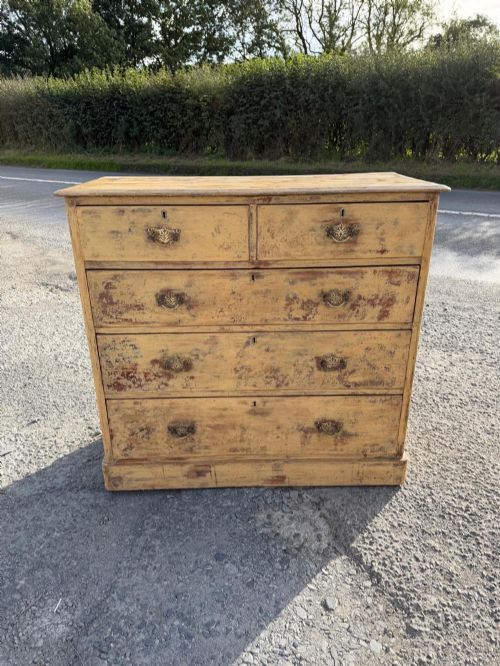
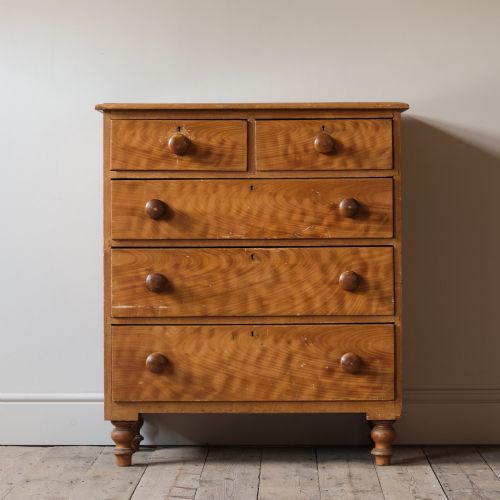
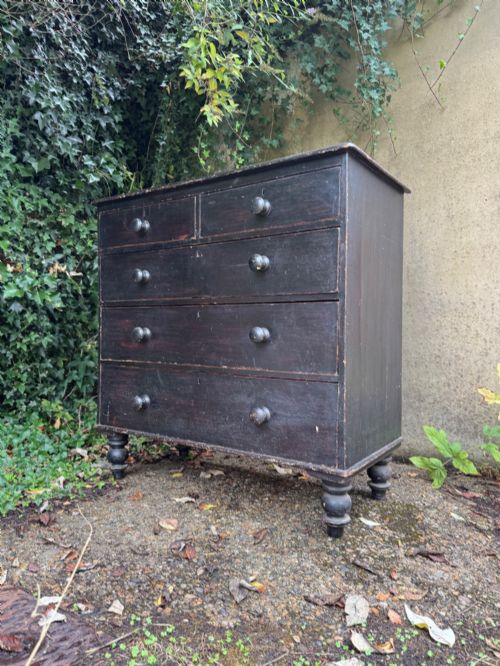
The pieces appearing here are predominantly constructed from pine and ash, often recorded in original paint, scumble, or blue finishes. Scandinavian country and English country styles dominate the selection, bringing distinct regional proportions to the tallboy form.
Forms extend from standard chests on chest to bonnet top cabinets and housekeepers cupboards, reflecting the varied domestic storage needs of the period. Swedish country pieces frequently display lighter painted palettes alongside British pine examples.
How they were made
Makers utilised solid timbers such as pine and ash for the primary carcasses and drawer structures, shaping the wood with hand tools suited to country workshops. Iron and brass fittings completed the construction, securing drawers and doors.
Surface finishes involved layers of paint, scumbling, and hand painting applied directly to the wood, sometimes supplemented by glass elements. Original paint surfaces relied on traditional pigment mixtures that aged with the underlying timber.
19th Century Painted Tallboy Retail Price Guide 2026
Typical asking prices for 19th century painted tallboy among the pieces listed under this phrase on Sellingantiques today, from the lower quarter to the upper quarter. They describe what is for sale here now, not the wider market.
Pine and ash serve as the primary woods recorded across the listed 19th century painted tallboy selections.
What varies in quality
Quality rests in the survival of original paint surfaces and the integrity of the timber beneath, distinguishing untouched examples from later decorative overhauls. The crispness of carved details, such as bonnet top elements or faux bamboo turnings, separates standard utilitarian pieces from more ambitious workshops.
Proportion and structural balance define the finer tallboys, where drawer construction and overall cabinet geometry remain sound through centuries of domestic use.
The 19th Century Painted Tallboy Glossary
- Scumble
- A decorative painting technique involving translucent colour dragged over a base coat to imitate finer grain patterns. This finish appears frequently on nineteenth century pine furniture.
- Linen press
- A tall cupboard featuring upper sliding trays or shelves for storing household textiles above lower drawers. They provide substantial vertical storage capacity.
- Bonnet top
- An arched or hooded upper cabinetry profile found on select provincial and Scandinavian storage pieces. This architectural crown softens the severe vertical lines of a tall chest.
- Chequered
- A surface pattern featuring alternating dark and light painted squares arranged in a grid. This decorative detail enlivens the facades of country chests.
- Chest on chest
- A two-part storage unit stacking a smaller set of drawers directly upon a deeper base chest. It offers maximum vertical capacity without expanding floor footprints.
19th Century Painted Tallboy: Frequently Asked Questions
What is a 19th century painted tallboy?
A 19th century painted tallboy is an upright storage piece, typically a chest on chest or linen press, finished with historic paint layers.
These pieces combine vertical capacity with decorative surface treatments originating from English and Scandinavian country traditions.
How do I tell original paint from later decoration?
Original paint surfaces show natural wear patterns, oxidation, and integration with the underlying pine or ash timber over generations of use.
Later overpainting often sits flat upon the wood without the characteristic craquelure and softening found in period finishes.
Where were these painted cabinets made?
These storage pieces originated in regional workshops across England, Scotland, and Scandinavia during the nineteenth century.
Local timber supplies like pine and ash dictated construction methods while regional aesthetics shaped the painted finishes.
How do I care for a painted antique surface?
Preserving historic painted surfaces requires avoiding harsh chemical cleaners and modern abrasive polishes that strip fragile pigments.
Keep the timber in stable humidity conditions to prevent the pine or ash substrate from expanding and cracking the paint layer.