



19th Century Locket
These pieces known as a 19th century locket are miniature works of personal art and memory, cherished for their intricate portraits and hidden compartments.
19th Century Locket
A 19th century locket encompasses pendant jewellery, portrait miniatures, and mourning pieces originating from the Georgian, Regency, and Victorian periods. Buyers encounter items fashioned to hold hair, watercolours, or painted portraits close to the heart.
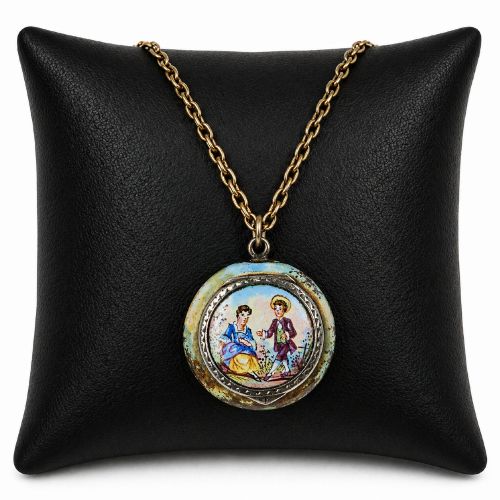
The selection ranges from Victorian gold mourning lockets and Scottish silver vinaigrettes to early 19th century Viennese enamel pieces and delicate pearl pendants. Portrait miniatures painted on card or ivory frequently appear alongside traditional hairwork compartments.
Originating across Britain and Europe, these items reflect changing sentiments toward remembrance and personal adornment throughout the 1800s. The most common survivals on this page bridge personal portraiture with functional metalwork.
Materials and construction
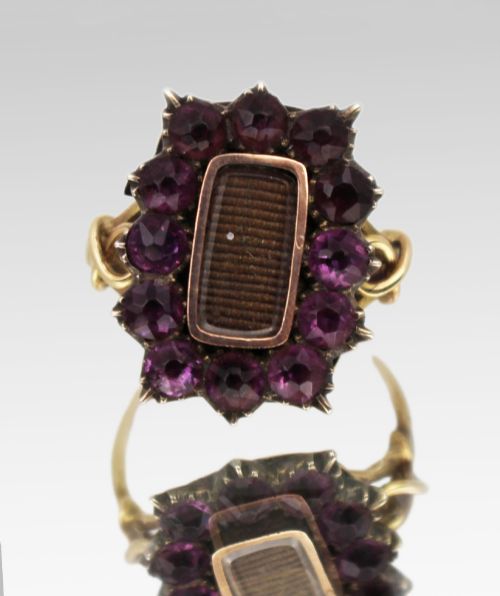
Craftsmen utilised gold, silver, and gilt metal to form the structural cases, often incorporating glass fronts to protect delicate contents. Enamel work and gemstones such as amethyst, pearl, and coral added exterior decoration to the precious metal housings.
Internal elements relied on fine watercolour and gouache painting on miniature surfaces, executed by named artists of the era. Hairwork was meticulously arranged behind glass panels as a form of sentimental preservation.
Hinged bezels and secure clasps allowed the containers to open and close while protecting the portrait miniatures or woven hair within. Skilled metalworkers combined chased silver and gold with precision framing to secure the glass elements.
19th Century Locket Retail Price Guide 2026
Typical asking prices for 19th century locket among the pieces listed under this phrase on Sellingantiques today, from the lower quarter to the upper quarter. They describe what is for sale here now, not the wider market.
Several miniatures preserve the likeness of country gentlemen who apparently woke up early just to look stern for the painter.
Assessing quality and execution
The refinement of the miniature painting separates standard pieces from exceptional examples, with works by documented artists demonstrating superior facial expression and brushwork. The delicacy of the watercolour or enamel work dictates the visual impact of the miniature.
Metalwork execution varies from heavy cast gold and detailed silver baroque settings to simpler gilt brass components. The weight of the gold, whether fourteen or eighteen carat, alongside the intricacy of chased borders, marks the higher tier of production.
The preservation of internal components, including intact glass covers and undisturbed hairwork or original backing cards, influences the integrity of the piece. Superior construction ensures the hinge and clasp operate smoothly while maintaining a tight seal around the compartment.
Emma Kendrick·Henry Jacob Burch·John Inigo Wright·Isaac Wane Slater·AE Chalon
The 19th Century Locket Glossary
- Mourning jewellery
- Personal adornment created to commemorate a deceased person, frequently incorporating woven hair, jet, black enamel, or portrait miniatures. These pieces served as physical tokens of grief and remembrance in the Georgian and Victorian eras.
- Miniature painting
- A small-scale portrait executed with fine brushstrokes using watercolour, gouache, or enamel on surfaces like ivory, card, or copper. Artists achieved remarkable detail within surfaces often measuring only a few inches across.
- Vinaigrette
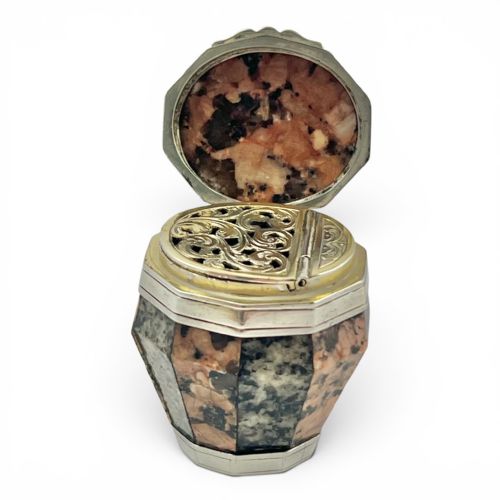
- A small ornamental box or container holding a perforated grille, inside which a sponge soaked in aromatic vinegar was placed. Victorians carried these items to combat unpleasant odours in public spaces.
- Baroque pearl
- A pearl with an irregular, non-spherical shape valued for its organic form and unique lustre. Jewellers utilised these distinct pearls as central pendant drops in nineteenth-century designs.
- Gouache
- An opaque water-based paint composed of pigment, water, and a binding agent such as gum arabic. Artists utilised it alongside watercolour to create dense, matte colour fields in miniature portraits.
19th Century Locket: Frequently Asked Questions
What is inside a 19th century locket?
These pieces frequently contain miniature watercolour portraits of gentlemen and ladies, painted on delicate surfaces. Other examples house woven locks of human hair behind glass panels as tokens of remembrance.
Some compartments remain empty, allowing the owner to insert their own photographs or small mementos. The contents reflect the deeply personal and sentimental nature of jewellery from this era.
How do I wear a pendant locket?
Pendant lockets are typically suspended from a compatible chain or ribbon worn around the neck. They sit close to the chest, echoing the historical manner of keeping portraits and loved ones near.
Care should be taken with the clasp and hinge when putting the piece on or taking it off. Pairing the pendant with a secure, period-appropriate chain ensures it remains safe during daily wear.
How do I date a Victorian locket?
Dating relies on examining the materials, hallmarks stamped on the gold or silver, and the style of the portraiture. Hairwork styles and clothing depicted in the miniatures also provide clear chronological markers for the 1800s.
Georgian and Regency pieces tend to feature different portrait framing compared to later Victorian items. Comparing the construction methods with documented pieces from the same decade aids in accurate attribution.
Are these lockets fragile?
While constructed from durable metals like gold and silver, the internal glass panels and miniature paintings require careful handling. Moisture and impacts can damage the delicate watercolours or displace the hairwork inside.
Owners should store the items securely away from direct sunlight and humidity to preserve the painted surfaces. Regular inspection of the bezel and glass helps prevent accidental loss of internal elements.