

19th Century Italian Frame
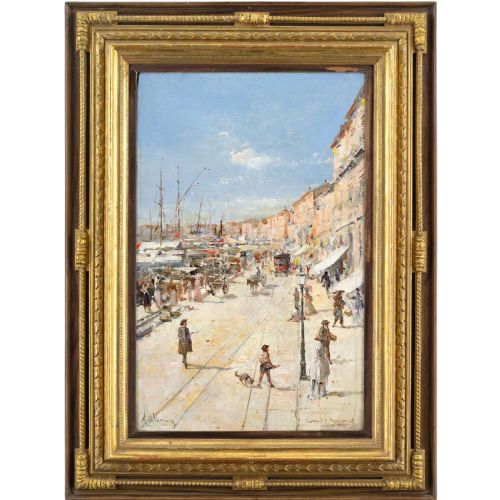
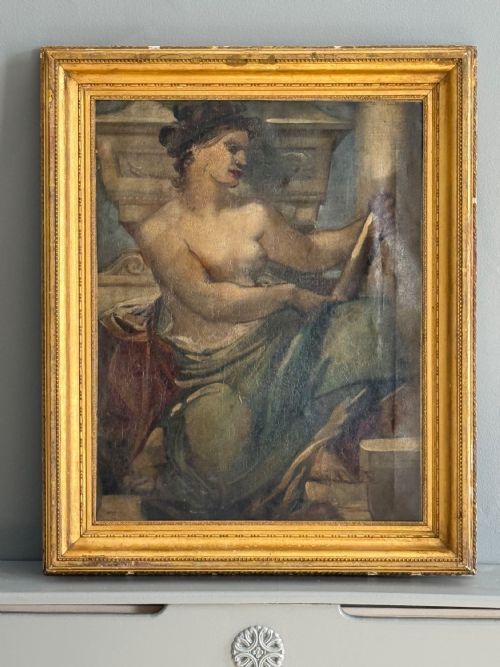
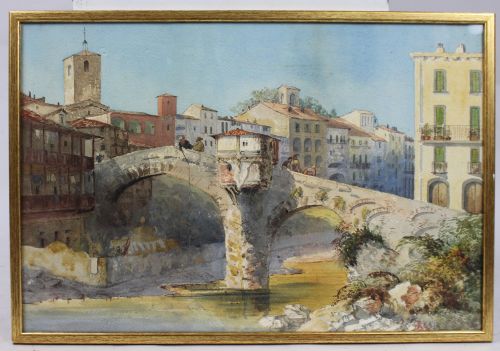
These pieces unite the skill of 19th century italian frame makers with period artistry, offering ornate carved decoration for mirrors and artworks.
19th Century Italian Frame
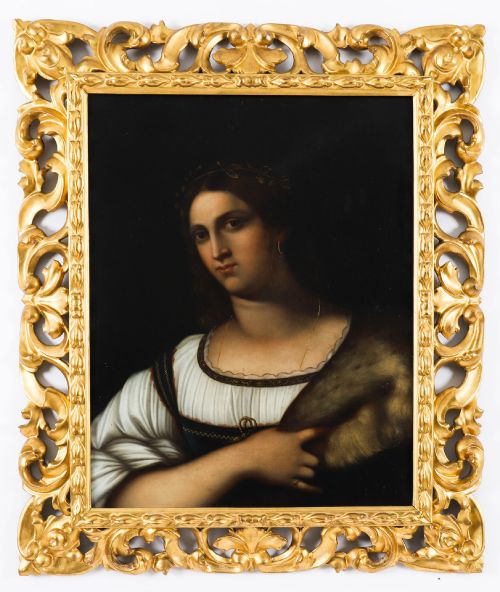
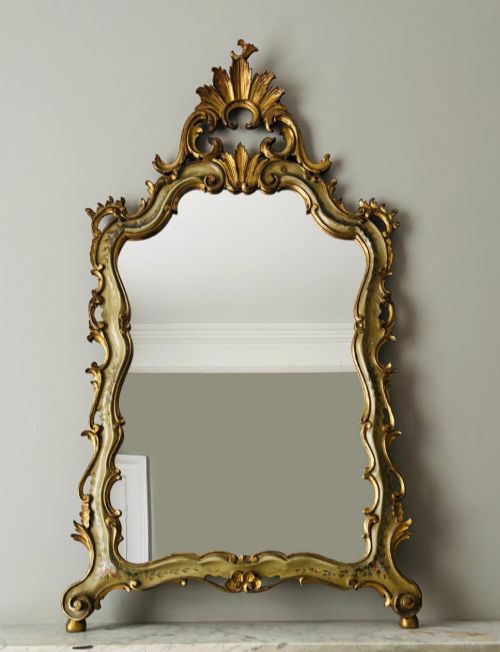
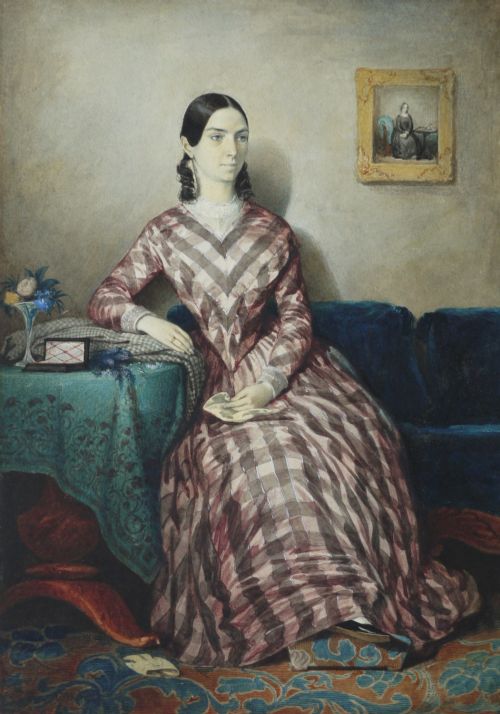
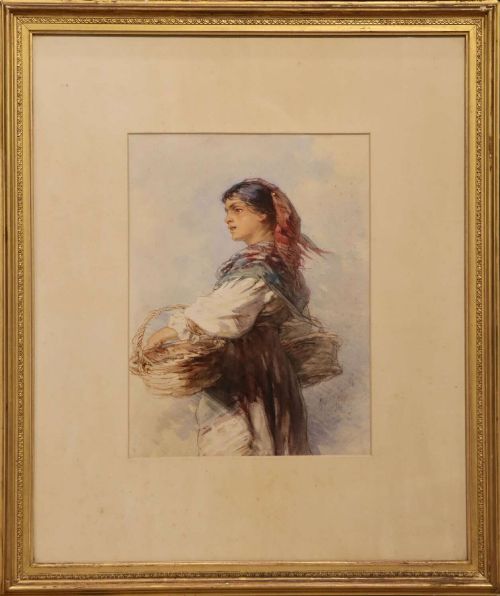
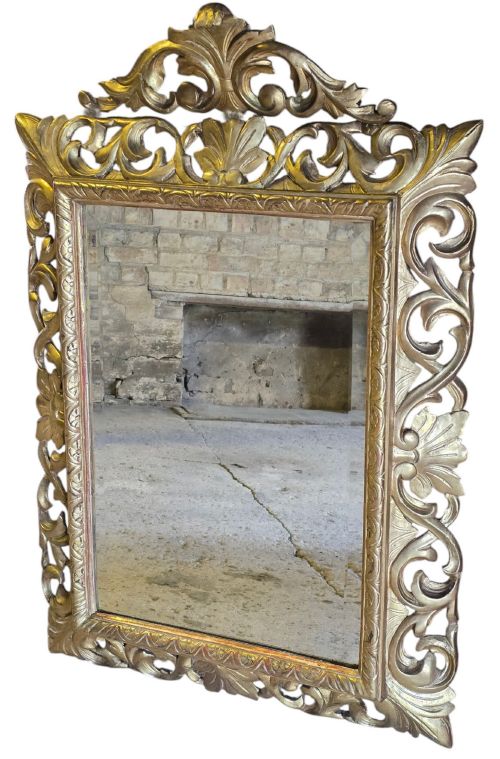
The search for a 19th century italian frame reveals an array of decorative wall mirrors, paintings, and empty surrounds created across various Italian regions. Buyers encounter heavily carved giltwood Florentine mirrors, Venetian glass looking glasses, and architectural tabernacle styles from the same era.
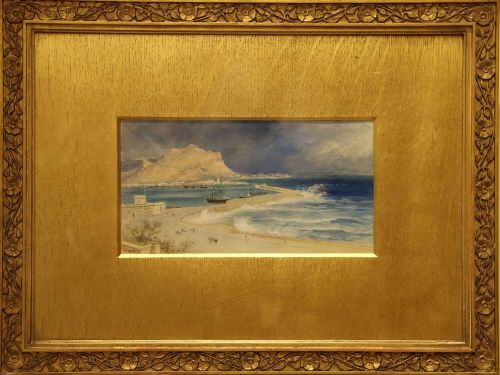
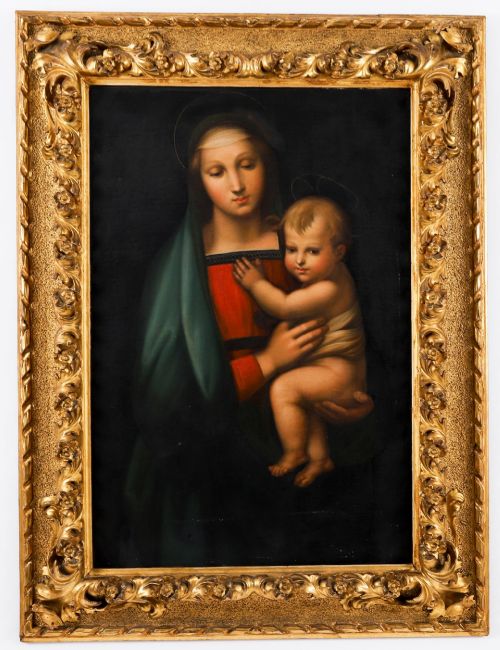
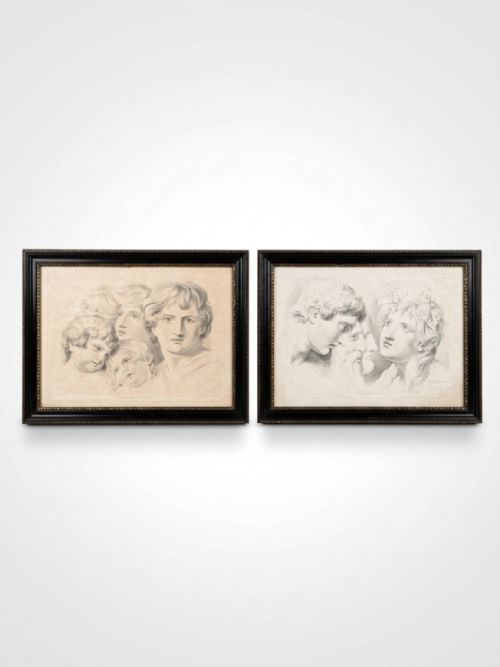
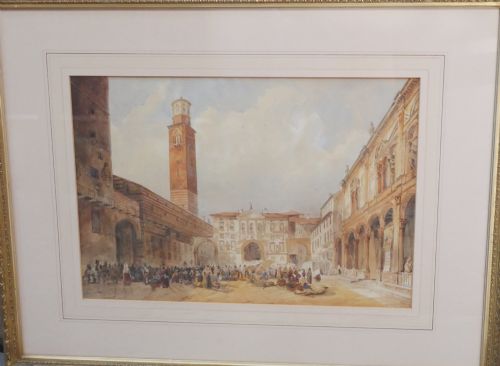
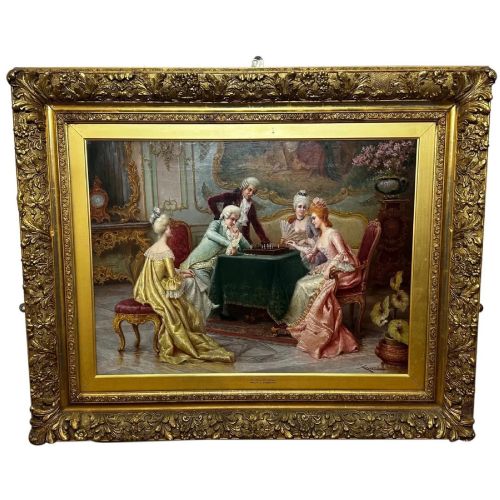
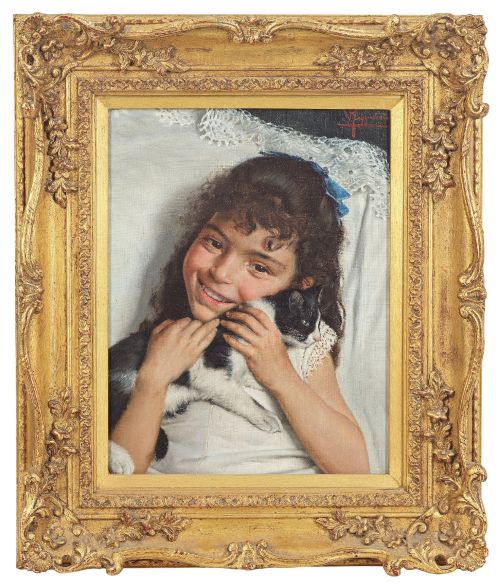
Many examples house oil paintings, watercolours, micromosaics, or intaglios, while others survive as standalone decorative objects or overmantel centrepieces. The selection ranges from grand salon mirrors to intimate framed panels depicting landscapes and portraits.
Regional variations define the form, with Florentine workshops favouring elaborate pierced carving and Venetian makers utilising blue glass panels or cushion profiles. Walnut, ebonised wood, and gesso constructions appear frequently alongside gilded surfaces.
How They Were Made
Craftsmen built the structural foundations primarily from wood, utilising timber such as walnut or softer woods to form the core framework. Carvers applied layers of gesso onto the wooden base to prepare the surface for intricate ornamentation.
Gilding techniques involved applying thin leaves of gold to the prepared gesso, which artisans then burnished to achieve a brilliant reflective quality. Painters and gilders also utilised silvering, paint, and ebonising to create contrasting finishes on cushion frames and moulded profiles.
Listings feature works in walnut, ebonised wood, and giltwood, alongside framed watercolours, oil paintings, and glass mirrors.
What Varies in Quality
The depth and crispness of the hand carving distinguish superior examples from simpler production, particularly on Florentine scrollwork and cushion frames where undercut details display the carver's mastery. Superior gilding utilises heavier gold leaf layers and nuanced burnishing that catches light unevenly across the moulded surfaces, whereas lesser pieces show flat, uniform metallic paint.
The integrity of the underlying gesso and wood structure dictates the longevity of the piece, with finer frames retaining their original corner joins and high-relief ornamentation without modern filler replacements. Harmony between the frame and its mirror plate or artwork also elevates the standing of the piece, especially when original glass or period canvases remain intact.
Guido Bach·Dumini Leopoldo·Vittorio Reggianini·Augusto Alberici·Alfred Pollentine·Francis Moltino·Michelangelo Meucci·Carlo Ferranti·Renato Moretti·Filipo Indoni·Luigi Bardi
The 19th Century Italian Frame Glossary
- Giltwood
- Wood that has been coated with gold leaf or a gold-coloured metallic finish. This surface treatment provides the characteristic bright and reflective appearance seen on many antique mirrors.
- Gesso
- A plaster-like mixture applied to wooden frames as a base for gilding or painting. It is easily moulded and carved once dry, allowing for high-relief ornamentation.
- Cushion Mirror
- A mirror with a convex, sloping frame profile that pushes outward towards the edges. This distinctive shape creates multiple angles for reflecting light within a room.
- Intaglio
- A gem or plaque carved with a design incised into the surface. Grand Tour examples in gypsum or porcelain were frequently mounted in matched frames during the period.
- Micromosaic
- An intricate picture assembled from tiny coloured glass tesserae. These delicate plaques were often set into frames as souvenir items for travellers.
- Tabernacle Frame
- A architectural frame style resembling a small shrine, often featuring pilasters and a pediment. This classical revival form was adapted for paintings and mirrors.
19th Century Italian Frame: Frequently Asked Questions
What is a Florentine frame?
A Florentine frame is a heavily carved wooden surround characterised by pierced scrollwork, acanthus leaves, and deep gilding. Originating in Florence, these frames were designed to make a dramatic statement around paintings and mirrors.
Craftsmen built these pieces using layered gesso over wood to achieve high-relief ornamentation. They remain popular for their opulent aesthetic and association with 19th century Italian craftsmanship.
How do I identify a Venetian mirror?
Venetian mirrors often feature engraved glass panels, blue glass elements, or cushion-shaped frames that reflect light from multiple angles. Makers in Venice utilised distinctive glassworking techniques alongside traditional wood carving.
These pieces typically display regional stylistic traits such as decorative crests and segmented borders. They function as both wall art and operational mirrors within interiors.
Were these frames made for mirrors or paintings?
19th century Italian workshops produced frames for both purposes, including overmantels, dressing mirrors, oil paintings, and watercolours. Many surviving examples house their original artwork or mirror glass.
Some items exist as empty frames or house alternative decorative panels like intaglios and micromosaics. Buyers should examine the rebates and backings to determine the original intended medium.
How should I hang a heavy giltwood frame?
Large giltwood and gesso frames require secure wall fixings distributed across sturdy anchor points due to their substantial weight. Professional mirror hangers often use french cleats or heavy-duty brackets to support the load safely.
Checking the structural integrity of the frame's corner joints before hanging is essential. Ensuring the wall surface can bear the weight prevents damage to both the antique and the wall.
What is a Grand Tour intaglio panel?
Grand Tour intaglio panels are collections of small carved gems, gypsum casts, or ceramic plaques mounted inside a shared frame. Wealthy travellers collected these souvenirs during their educational tours of Italy.
The frames housing these panels were often custom-made in walnut or giltwood to display the miniature artworks. They provide a tangible link to 19th century travel and collecting habits.