






19th Century Ink Drawing
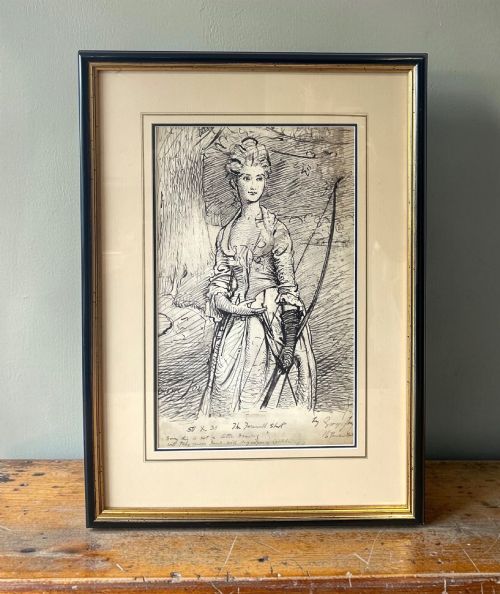
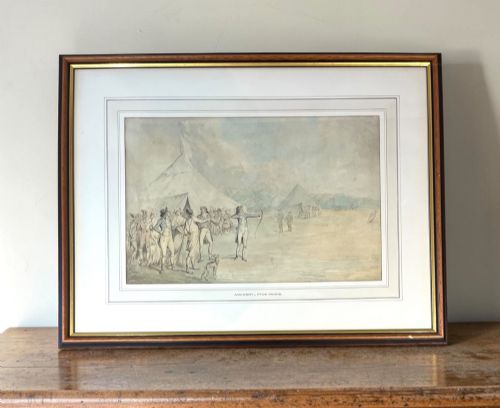
These 19th century ink drawing works on paper offer direct access to period hand-rendered portraiture, architecture and landscape studies.
19th Century Ink Drawing
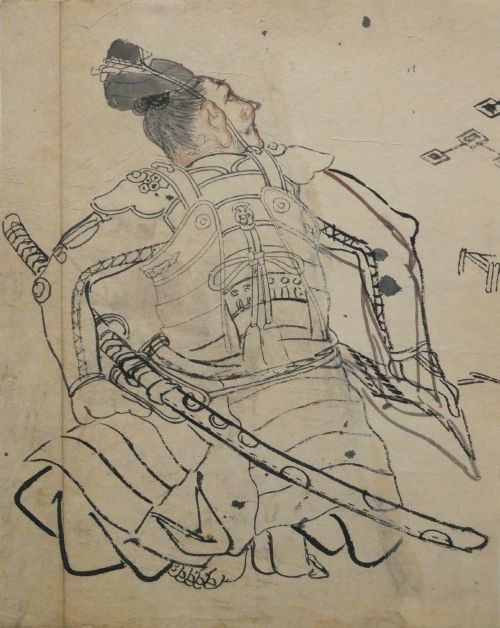
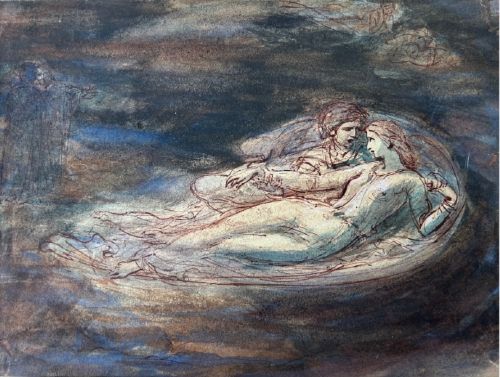
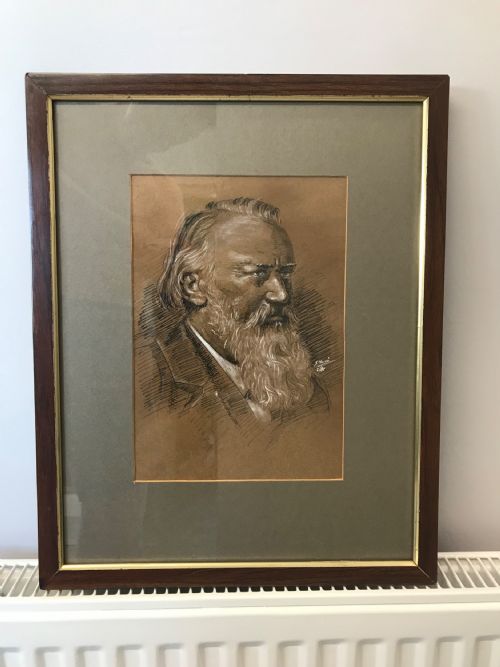
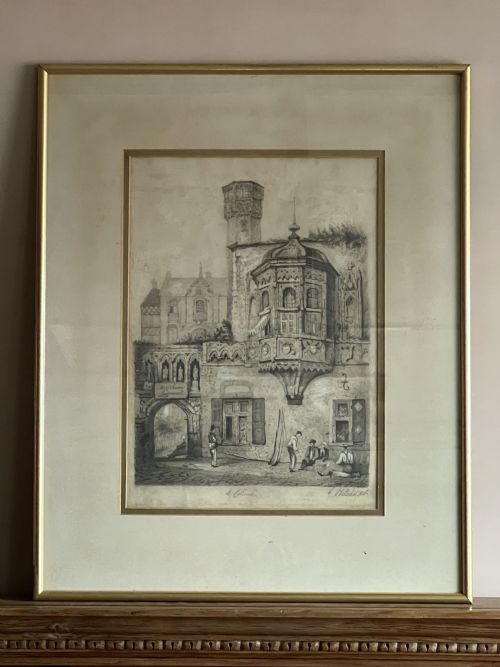
A 19th century ink drawing encompasses original works on paper ranging from quick preparatory sketches and architectural plans to finished narrative and portrait studies. Buyers encounter diverse regional expressions, including English topographical scenes, French academic figure studies and Gothic Revival illustrations.
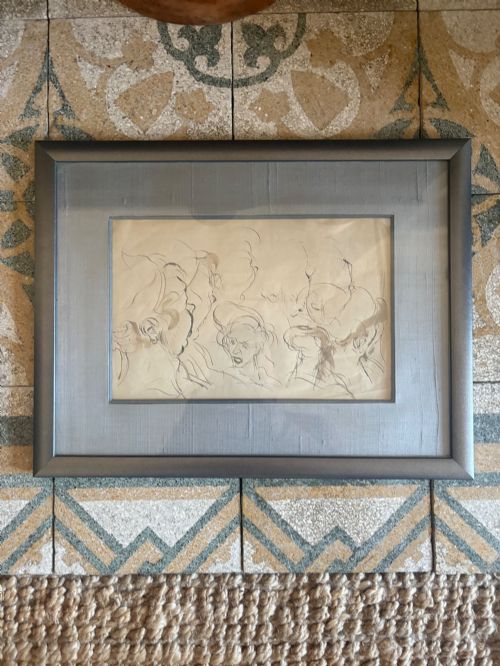
The surviving pieces include preliminary studies for larger paintings, theatrical character portraits, architectural school submissions and detailed landscape views. Many retain their period framing, glass and wooden surrounds, preserving the original presentation intended by the draughtsman.
Materials and execution methods
Draughtsmen utilised iron gall, sepia or carbon inks applied with nib pens or quills directly onto paper, occasionally augmented with vellum for classical figure compositions. These foundational lines were frequently combined with graphite underdrawing, monochrome washes or watercolour highlights to build depth and tonal variation.
Secondary media such as gouache and white bodycolour provided opaque highlights on tinted or cream papers, while gum arabic added localized sheen to ink details. Works were secured within mounts, often protected beneath glass and housed in gilt or timber frames.
19th Century Ink Drawing Retail Price Guide 2026
Typical asking prices for 19th century ink drawing among the pieces listed under this phrase on Sellingantiques today, from the lower quarter to the upper quarter. They describe what is for sale here now, not the wider market.
Historical periods represented in the archive stretch from the Georgian era through the Victorian period and into the twentieth century.
Factors influencing quality and execution
The mastery of line and sureness of the initial penwork dictate the visual success of each composition, distinguishing confident professional execution from hesitant amateur practice. Stronger pieces demonstrate sophisticated control over wash densities and hatching to create convincing form and spatial depth.
Provenance, historical attribution and the presence of contemporary signatures or detailed inscriptions elevate specific items above anonymous student exercises. The survival of contemporary framing and the physical preservation of the paper substrate further influence the standing of individual sheets.
Alfred Dehodencq·William Edward Frost·Theobald Chartran·Henri Josephe Hesse·John Thurtle·Thomas Lound
The 19th Century Ink Drawing Glossary
- Sepia ink
- A brown pigment traditionally derived from the ink sac of the cuttlefish, utilised extensively for tonal sketching and wash drawings.
- Gouache
- An opaque water-based paint composed of pigment, a binding agent and added inert white material, used to apply bright highlights over ink lines.
- Gothic Revival
- An architectural and artistic movement reviving medieval gothic forms, frequently seen in architectural drawings and illustrative book studies.
- Wash
- A thin, semi-transparent layer of diluted ink or watercolour applied with a brush to create tonal gradations and shadows behind pen lines.
- Vellum
- A fine parchment made from prepared calfskin, providing a smooth, durable writing and drawing surface utilised for finished classical compositions.
19th Century Ink Drawing: Frequently Asked Questions
How should I frame and display these drawings?
Protect the paper from direct sunlight and high humidity to prevent fading of the iron gall or sepia inks and yellowing of the support. Utilise conservation-grade mounts and UV-filtering glass during any reframing.
Keep the works away from heat sources and maintain stable ambient indoor temperatures to preserve the fragile paper substrate.
What subjects appear most frequently in these drawings?
Landscapes, architectural elevations, portraits and classical figure studies dominate the surviving output from this period. Artists frequently recorded local churches, domestic townscapes and theatrical characters during their travels or studio practice.
Preparatory sketches for larger oil paintings or book illustrations also represent a substantial portion of available sheets.
How do I identify a preparatory study?
Preparatory studies often display visible graphite underdrawing, grid lines for transfer or marginal annotations regarding composition and colour. These working sheets emphasise rapid experimentation with form rather than finished presentation.
Finished exhibition pieces typically lack working grid lines and feature more resolved tonal application and signature placement.
What distinguishes Victorian academic drawings?
Victorian academic drawings emphasise rigorous draughtsmanship, anatomical accuracy and adherence to classical or historical proportions established by art schools. These works often include detailed shading, hatching and wash to model three-dimensional volume.
Such pieces frequently originated as student submissions for royal or regional school competitions and examinations.