



19th Century Horological Desk
These 19th century horological desk pieces combine timekeeping with mechanical ingenuity, offering a functional centrepiece for the serious study or workspace.
19th Century Horological Desk
A 19th century horological desk piece brings together timekeeping and mechanical utility, drawing collectors who appreciate period engineering. The selection on this page centres primarily on mantel clocks, desk clocks, and specialised workbenches.
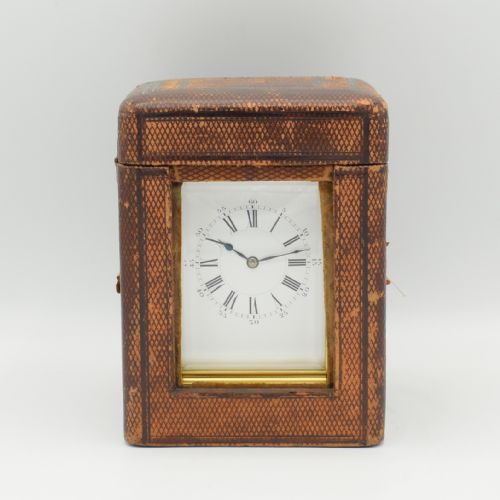
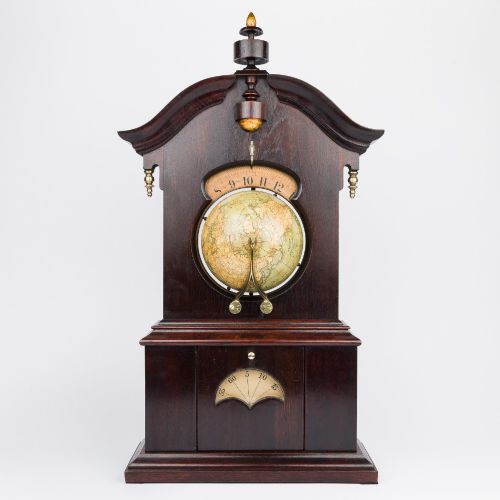
The objects range from Victorian novelty desk compendiums and skeleton clocks to French carriage clocks and watchmakers' tables. These pieces originate from Victorian Britain and 19th century France, capturing the industrial spirit of their eras.
How they were made
Makers utilised robust materials such as mahogany, brass, glass, slate, and leather to build these mechanical objects. Enamel and paper often appear on dials and indicators, while malachite provides decorative accents.
Advanced mechanisms like fusee movements, coup perdu detent escapements, and perpetual calendars reveal the precise technical skill involved. Construction styles span French provincial workshops, industrial designs, and Victorian novelty forms.
19th Century Horological Desk Retail Price Guide 2026
Typical asking prices for 19th century horological desk among the pieces listed under this phrase on Sellingantiques today, from the lower quarter to the upper quarter. They describe what is for sale here now, not the wider market.
Listings feature materials including brass, glass, enamel, mahogany, malachite, slate, leather, and paper across Victorian and French styles.
What varies in quality
Quality rests upon the sophistication of the movement and the intricacy of the mechanical display, such as an automaton beam engine or equation of time complication. Finer examples exhibit meticulous finishing on brass components and clear, unblemished enamel dials.
The integrity of the housing also dictates value, whether a slate clock case or a mahogany watchmakers table. Original matching travel cases and signed movements by notable mechanicians elevate the standing of a piece.
Henri Jacot·Timby·Guilmet·William Evans·Andre Guilmet·Brocot
The 19th Century Horological Desk Glossary
- Skeleton clock
- A clock with open plates and bridges that expose the entire gear train and movement to view. This design allows the observer to watch the mechanics in action.
- Fusee
- A conical pulley used in clockwork to equalize the driving force of the mainspring as it unwinds. It ensures consistent power delivery to the escapement.
- Carriage clock
- A small, portable spring-driven clock developed for travelling officers in the nineteenth century. They frequently feature glass panels to display the escapement.
- Escapement
- The mechanical linkage that translates rotational motion into impulsive pushes to sustain the pendulum or balance wheel. Different escapements reflect varying degrees of horological refinement.
- Perpetual calendar
- A mechanism that automatically adjusts for the varying lengths of months and leap years. It represents a high level of complication in horology.
19th Century Horological Desk: Frequently Asked Questions
What is a 19th century horological desk piece?
These items are mechanical timekeepers and related furniture pieces designed for use on a desk or table during the Victorian era and the nineteenth century.
They encompass carriage clocks, skeleton clocks, and specialised watchmakers tables that showcase industrial and mechanical innovation.
How do you wind a fusee clock?
A fusee clock uses a key applied to the dial or side hole to wind the cord or chain around the conical drum.
Careful handling ensures the mechanism engages the mainspring properly without placing undue tension on the train.
Where were these clocks made?
The pieces originate primarily from British and French workshops during the nineteenth century. Makers in locations such as Handsworth and various French centres produced these specialised instruments.
Regional styles range from strict industrial designs to ornate Victorian novelties.
How do I care for a slate clock?
Slate clocks require a stable, level surface due to their considerable weight and stone construction. Regular dusting with a dry cloth keeps the slate and glass panels clear.
Avoid using harsh chemical polishes on the stone or the delicate brass and enamel components.