


19th Century Fire Bucket
These 19th century fire bucket examples bring rugged utility and rich metal or leather patination directly into a modern hearth space.
19th Century Fire Bucket
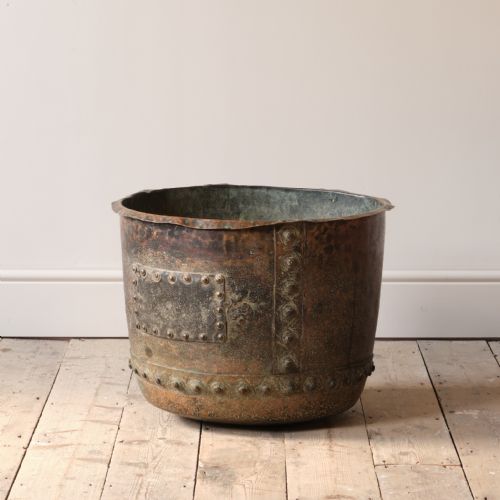
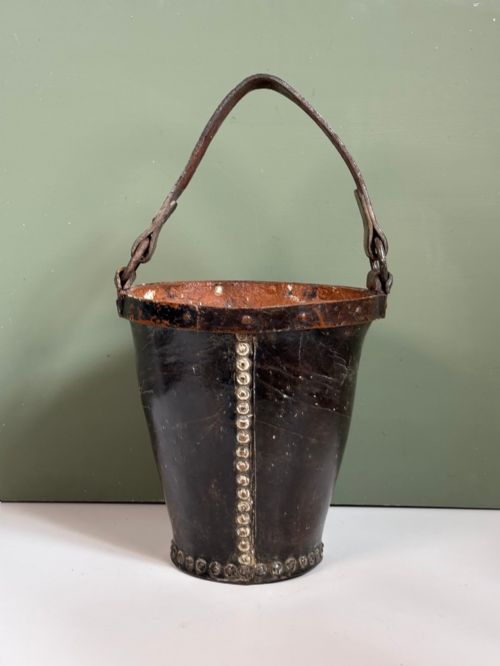
A 19th century fire bucket serves as a striking antique vessel, originally designed for emergency water transport and now frequently repurposed as a fireside log bin or planter. The forms range from robust leather containers to heavy riveted copper boilers and brass-mounted vessels.
Buyers seeking these pieces encounter a variety of styles, spanning Georgian, Victorian, Arts and Crafts, and maritime origins. Many pieces double as hearth accessories or garden planters, reflecting their durable construction and adaptable utility.
The selections available bridge utilitarian heritage and decorative appeal. Whether formed from boiled leather or polished copper, each vessel carries the distinct marks of its nineteenth-century provenance.
How they were made
Craftsmen utilised heavy metals such as copper, iron, brass, and zinc, often joining plates with visible hand-hammered rivets to ensure structural strength. Wooden elements like oak and supplementary rope handles provided durability for heavy loads.
Leather examples relied on stiff boiled leather or soft leather coverings, frequently shaped to hold liquids or dry fuel securely. Surface treatments ranged from hand-painted armorial crests to polished metal finishes that highlight the underlying fabrication.
The listings combine metal and leather constructions, featuring copper, brass, iron, zinc, oak, and rope across multiple nineteenth-century periods.
What varies in quality
The distinction between standard examples and exceptional pieces often lies in the integrity of the original materials and the presence of specialised craftsmanship. Riveted joints, sturdy oak bases, and intact internal linings elevate the physical stature of a piece.
Provenance and decorative details, such as hand-painted armorial crests or specific naval markings, significantly enrich the character of a vessel. The depth of patination on both the metal surfaces and aged leather further separates utilitarian survivals from decorative showpieces.
Nobes & Hunt
The 19th Century Fire Bucket Glossary
- Boiled leather
- Leather treated through a heating process in water or wax to make it rigid and water-resistant. This traditional method formed the protective outer shell of early firefighting vessels.
- Riveted copper
- Metal sheets joined together with overlapping metal pins that secure the structural seams. This technique allowed metal containers to withstand heavy daily use.
- Armorial crest
- A heraldic design painted or stamped onto the body of a bucket to denote ownership by an institution, estate, or naval vessel. Such markings add specific historical context to the object.
- Log bin
- A secondary use for robust historical vessels where dry wood is stored beside a fireplace. Many surviving metal and leather containers transition naturally into this domestic role.
- Patina
- The surface sheen and colour acquired by metal and leather through age, handling, and exposure to the elements. Collectors value this natural ageing process as proof of authenticity.
19th Century Fire Bucket: Frequently Asked Questions
How were fire buckets used?
In the nineteenth century, these vessels stood in corridors or near hearths, kept filled with water to tackle initial outbreaks of domestic fire. Teams of people would pass them in a chain from a water source to the flames.
Today, their robust construction allows them to serve practical functions beside the fireplace, holding logs and kindling instead of water.
How do I clean an antique leather bucket?
Antique leather requires gentle care to preserve the aged surface and prevent cracking. Dusting with a dry, soft cloth is usually sufficient for routine maintenance.
Avoid using modern chemical cleaners or soaking the material in water. Specialist leather balms can nourish dry hides if applied sparingly.
How do I tell Georgian from Victorian pieces?
Georgian pieces often display simpler, utilitarian lines associated with early nineteenth-century manufacture, sometimes utilising soft leather coverings. Victorian and Arts and Crafts examples frequently incorporate heavier riveted copper or decorative brass mounts.
Examining the construction methods and any accompanying armorial markers helps clarify the approximate decade of origin.