

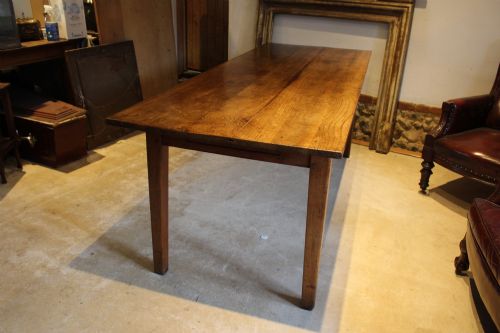
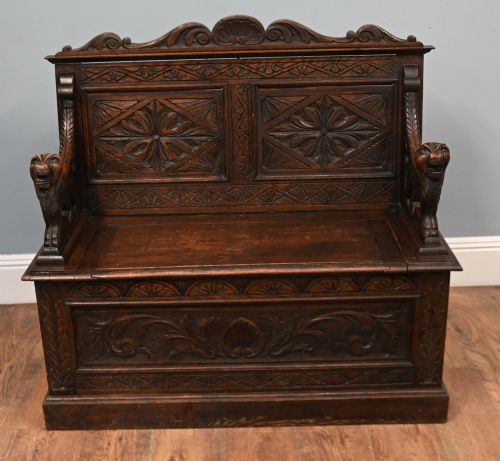
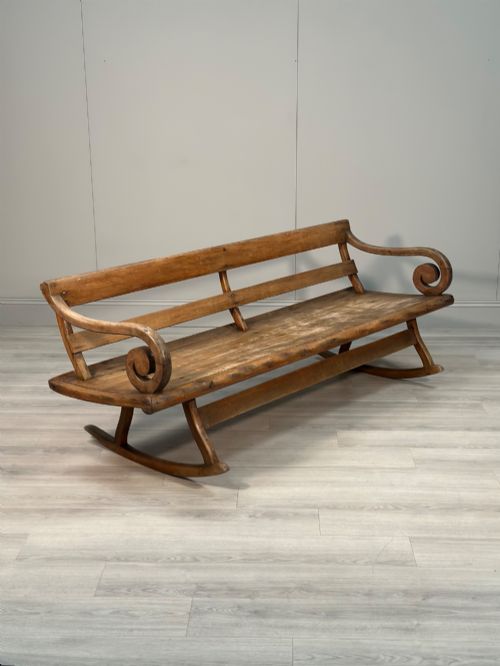
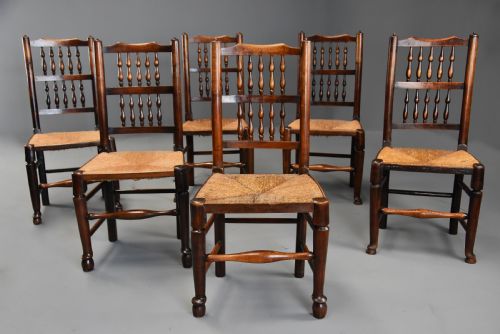




19th Century Farmhouse Seat
When searching for a 19th century farmhouse seat, collectors uncover robust vernacular dining chairs, benches, and settles shaped by rural craft traditions.
19th Century Farmhouse Seat
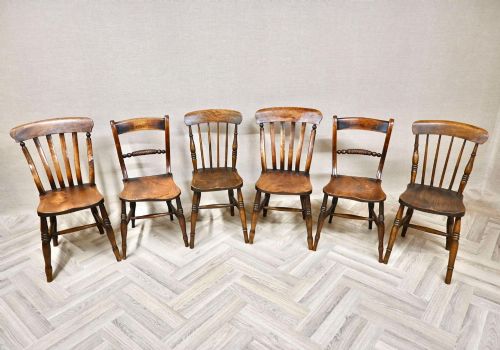
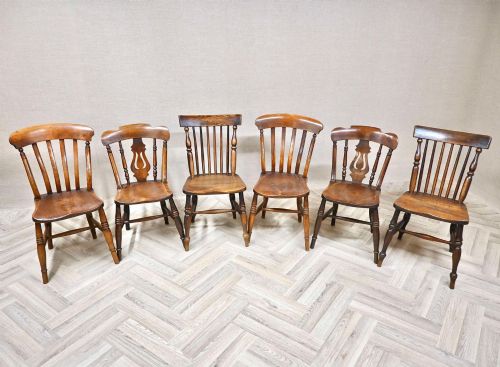
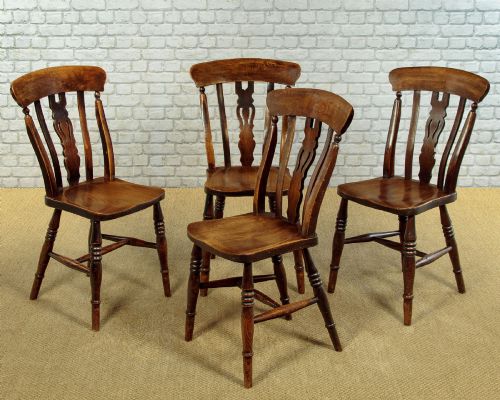
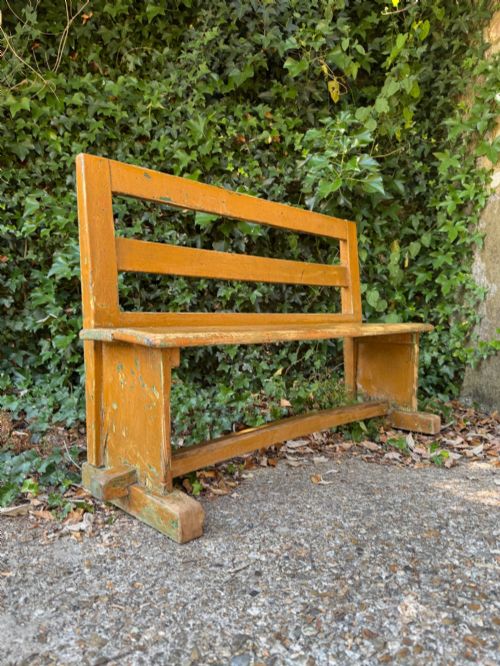
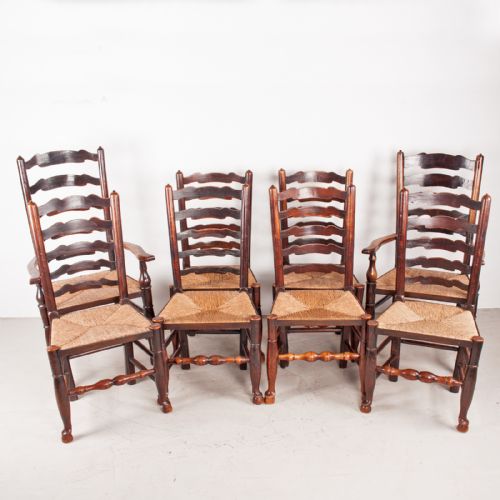
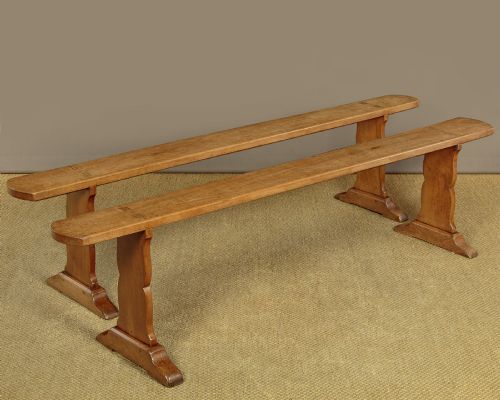
A 19th century farmhouse seat encompasses a wide variety of utilitarian furniture designed for domestic use in kitchens and rural dwellings. The selection ranges from single dining chairs and matched sets to long benches, settles, and stools originating from English, French, and Austrian traditions.
The objects span the nineteenth century, including pieces from the Georgian era through the Victorian period and into the turn of the twentieth century. Their enduring appeal lies in their direct connection to historical rural interiors.
How they were made
Maker-craftsmen utilised native hardwoods such as elm, ash, beech, oak, and fruitwoods like cherry and pear, often combining two or more timbers within a single piece. Elm was frequently chosen for solid seats due to its interlocking grain resisting splits, while ash and beech provided resilient spindles and legs.
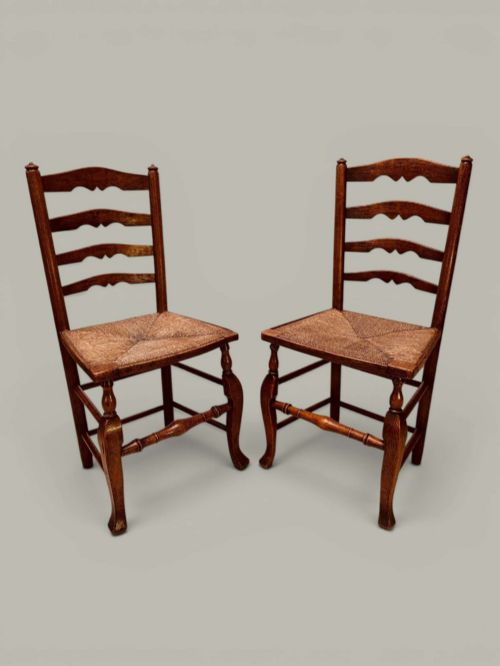
Construction relied on traditional joinery methods including mortise and tenon joints, steam bending for curved backs, and turned components shaped on a pole lathe. Rush seating also appears, woven directly onto wooden frames to create supportive pads.
19th Century Farmhouse Seat Retail Price Guide 2026
Typical asking prices for 19th century farmhouse seat among the pieces listed under this phrase on Sellingantiques today, from the lower quarter to the upper quarter. They describe what is for sale here now, not the wider market.
Some tall bar stools managed to survive centuries of tavern and farmhouse service, proving that everyone needed a perch.
What varies in quality
Quality in these pieces is dictated by the integrity of the original construction and the survival of surface character such as patina. Examples that retain their original timber surfaces, structural stability, and minimal timber replacement sit at the higher end.
Proportion and regional distinctiveness also separate standard utilitarian items from finer vernacular commissions. Balanced turnings, well-balanced proportions, and matched sets demonstrate superior workshop execution.
The 19th Century Farmhouse Seat Glossary
- Settle
- A high-backed wooden bench with solid arms and a storage box beneath the seat. It was designed to keep draughts away from firesides in large farmhouse kitchens.
- Windsor
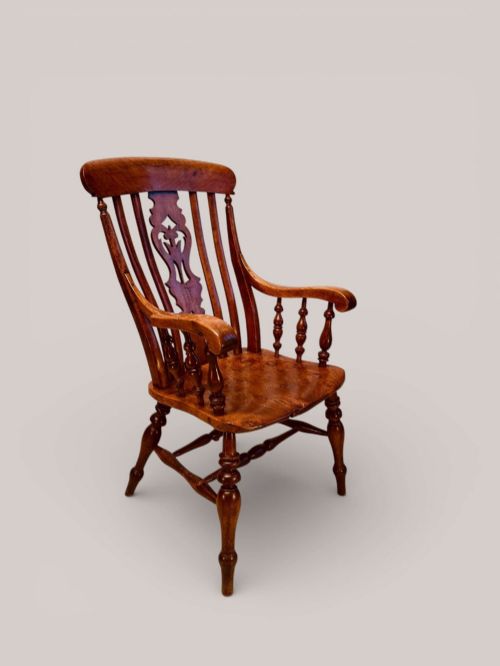
- A chair built with a solid wooden seat into which the legs and back spindles are wedged directly. Regional variations include hoop backs, comb backs, and lathe backs.
- Vernacular
- Everyday furniture made by local country joiners using regional materials and traditional designs rather than metropolitan pattern books.
- Spindle back
- A chair back constructed from a series of thin turned wooden rods. These rods provide lightweight structural support.
- Patina
- The deep surface sheen and colour developed over decades of use, handling, and polishing. It serves as an indicator of age and history.
19th Century Farmhouse Seat: Frequently Asked Questions
How do I identify a Windsor chair?
A Windsor chair is characterised by its heavy solid wooden seat, into which the legs and back pieces are tenoned directly rather than using a continuous frame.
They frequently combine elm seats with ash or beech superstructures, displaying turned spindles and curved backs shaped by steam.
What timbers were used for these seats?
Country makers relied on locally available hardwoods such as elm, ash, beech, oak, and fruitwoods like cherry and pear. Pine and chestnut also appear in regional benches and settles.
Elm was heavily utilised for solid seats because its twisted grain prevented splitting under daily use.
Where were these pieces made?
These items were produced across rural workshops in England, France, and Austria to serve everyday domestic needs in farmhouses and cottages.
English examples often feature regional Windsor styles, while French pieces frequently employ fruitwoods and cherry.
How do I care for antique wood?
Maintain antique wooden surfaces by keeping them away from direct heat sources and sudden humidity changes. Apply natural waxes sparingly to nourish the grain without damaging the historic finish.
Avoid modern silicone polishes which can build up and degrade the original patina over time.