



19th Century Cutlery
These pieces of 19th century cutlery bring utilitarian heritage and domestic craftsmanship directly to the modern dining table.
19th Century Cutlery
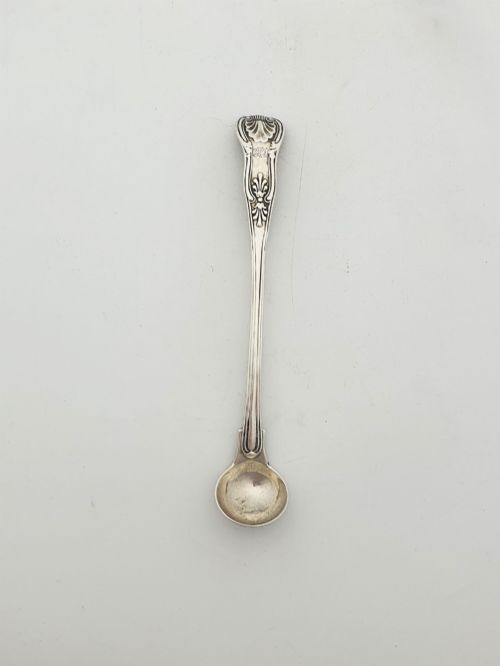
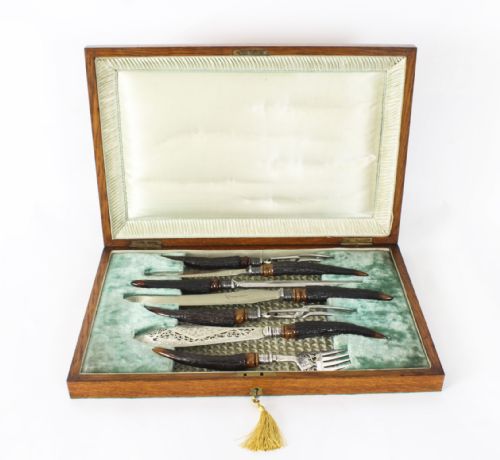
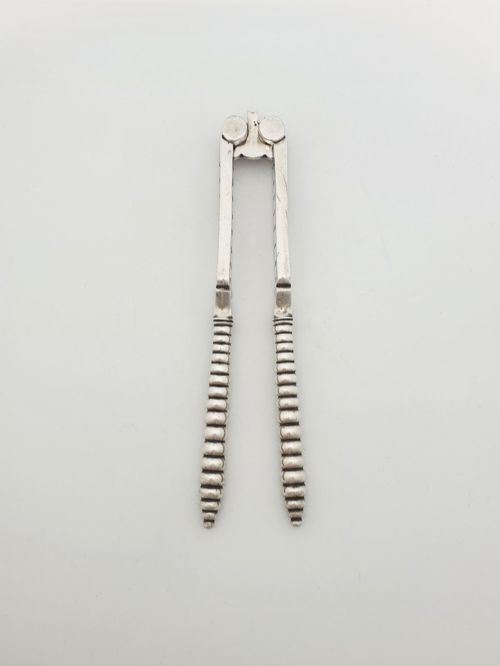
When you search for 19th century cutlery, you encounter a broad spectrum of eating implements, serving utensils, and storage containers spanning the Victorian, Georgian, and Regency eras. The selection ranges from robust campaign sets meant for travel to delicate silver-plated fruit and cheese sets designed for formal dining.
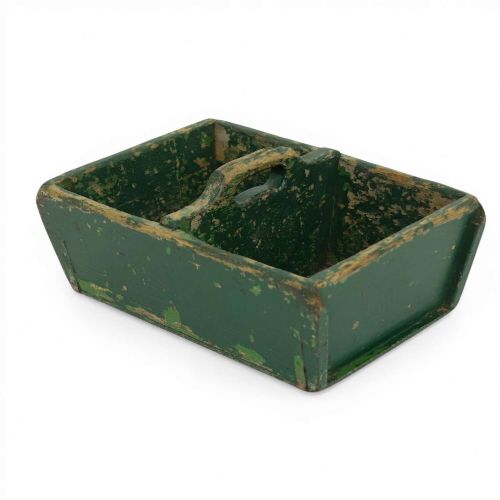
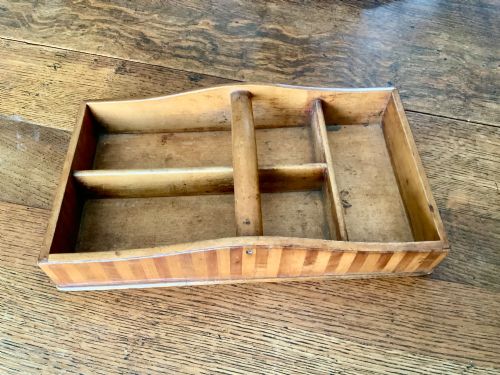
Geographic origins vary widely across the inventory, including English, Irish, Scottish, Russian, French, Dutch, and Chinese pieces. Alongside formal dining items, rustic vernacular pieces such as pine cutlery trays and Welsh artisan trugs demonstrate the era's diverse domestic output.
Materials and construction methods
Makers utilised a combination of sterling silver, silver plate, and durable steel for the functional blades and bowls of these items. Handles frequently incorporated organic materials such as bone, antler horn, mother-of-pearl, and various hardwoods like mahogany, oak, and pine.
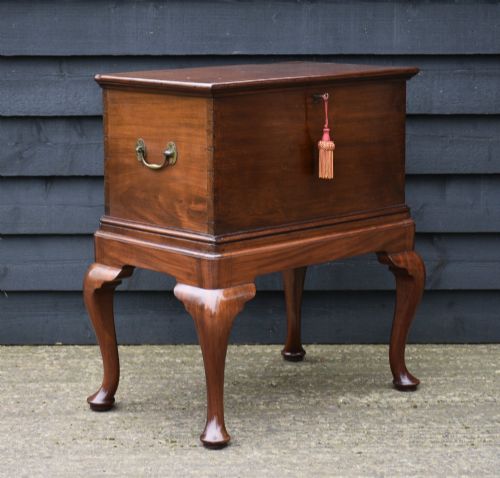
Specialist techniques defined the period, evident in the intricate cloisonne enamel work seen on Russian spoons and forks, as well as the fine silver gilt finishes applied to Dutch and Continental European pieces. Woodworkers constructed specialised storage boxes using mahogany, pine, and tortoiseshell, often lining them with velvet to protect the contents.
19th Century Cutlery Retail Price Guide 2026
Typical asking prices for 19th century cutlery among the pieces listed under this phrase on Sellingantiques today, from the lower quarter to the upper quarter. They describe what is for sale here now, not the wider market.
Listings feature items from the Georgian, Victorian, and Meiji periods, utilising sterling silver, brass, mahogany, and tortoiseshell.
Distinctions in craftsmanship
The standard of execution varies between mass-produced silver-plated items and hand-wrought solid silver or specialised travelling sets. Finer pieces demonstrate superior control in chasing, engraving, and the precision fitting of organic handles to metal shanks.
Quality also shows in the structural integrity of associated storage pieces, where dovetailed joints in mahogany chests or hand-carved details on wooden trays reflect the maker's time and skill. Hallmarks and maker stamps provide verifiable markers of provenance and metal purity that elevate certain utensils above unmarked domestic wares.
Edward Power·Jonathan Hayne·George Unite·Vasily Agafonov·Thomas Harwood and Co·Henri Soufflot
The 19th Century Cutlery Glossary
- Sterling silver
- An alloy containing 92.5 percent silver and 7.5 percent other metals, typically copper, used widely for British dining implements. It provides durability while maintaining a bright, lustrous finish.
- Silver plate
- A base metal, such as copper or nickel brass, coated with a thin layer of pure silver through electrochemical or mechanical processes. This technique offered an accessible alternative to solid silver for larger households.
- Campaign cutlery
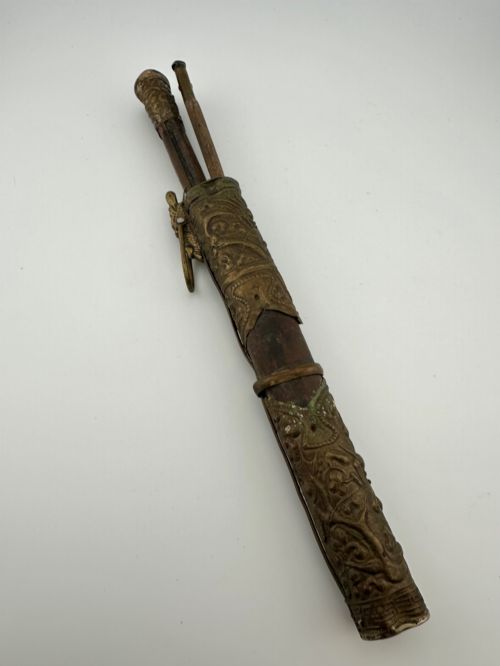
- Portable eating utensils and folding tools housed in compact leather or wooden cases, designed for military officers and travellers on the move during the 1800s. These sets prioritized modular convenience and durability.
- Cloisonne
- An enamelling technique where decorative metal wire is soldered to a metal base to create compartments, which are then filled with coloured glass paste and fired. It appears frequently on decorative Russian spoons and forks from the late nineteenth century.
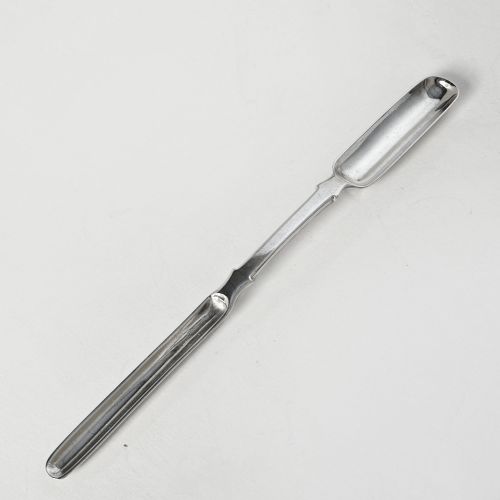
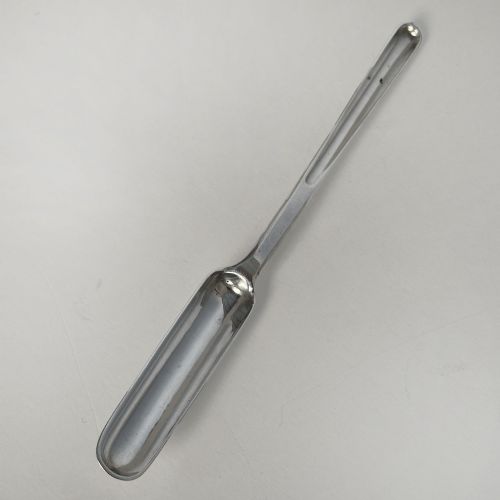
- Marrow scoop
- A long, narrow spoon featuring a small trough at one end and a slightly larger bowl at the other, used for extracting marrow from bones during formal meals. These implements gained popularity in Georgian and Victorian dining rooms.
19th Century Cutlery: Frequently Asked Questions
What is a travelling eating set?
A travelling eating set is a portable collection of cutlery, such as knives and chopsticks fitted into a protective sheath, designed for dining on journeys.
These sets were utilised by diplomats, explorers, and merchants who required personal eating implements while away from home.
How do I identify a Georgian spoon?
Georgian spoons can be identified by distinct assay office hallmarks, date letters, and specific regional styling characteristic of the period between 1714 and 1830.
Examining the underside of the stem for maker marks and tax duty stamps helps determine the exact year and place of origin.
What were cutlery boxes used for?
Cutlery boxes and chests were specialised wooden containers lined with velvet or baize, designed to keep fine silver and steel implements organised and protected from tarnish.
Wealthy households kept these chests on sideboards or in dining rooms for easy access during meal preparation and service.
Are mother of pearl handles fragile?
Mother of pearl handles require gentle handling because the natural shell material can crack or chip under sudden impacts or extreme temperature changes.
Wash these items by hand in warm soapy water rather than placing them in a modern dishwasher to preserve the lustrous surface.