


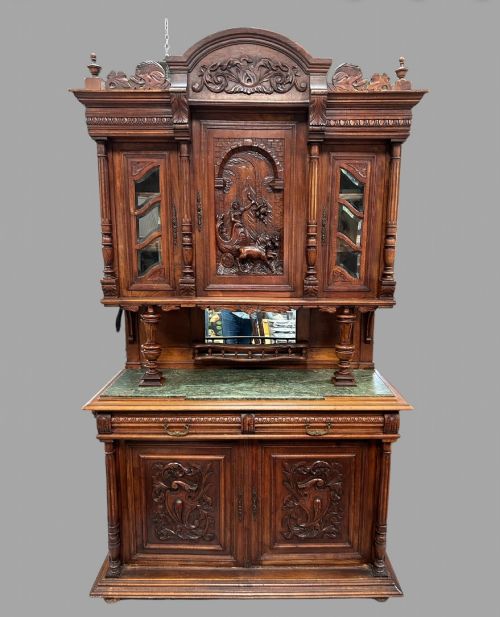
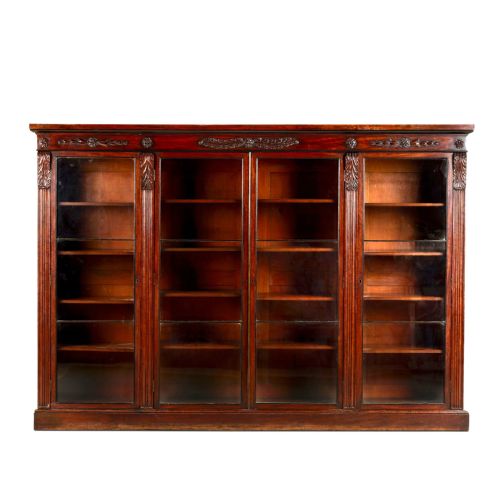
19th Century Carved Display Cabinet
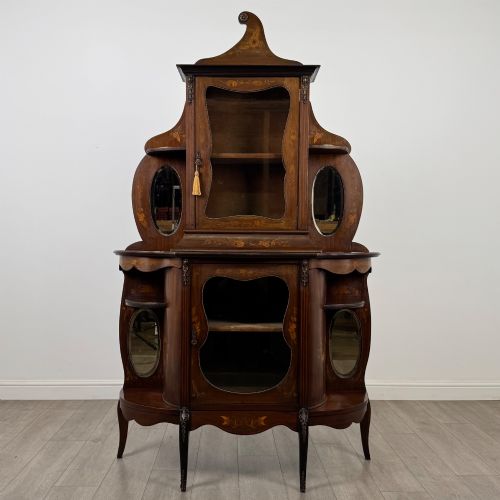
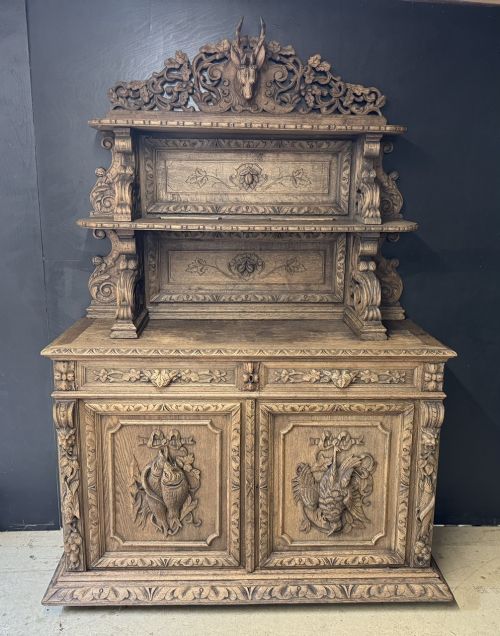
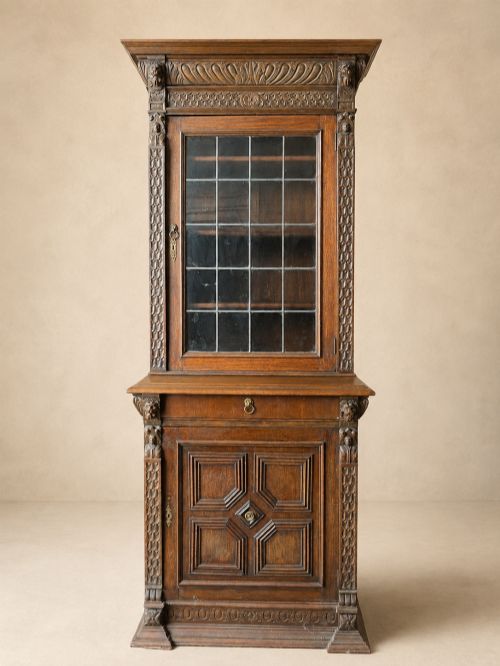
A 19th century carved display cabinet brings timber and glass together to showcase prized possessions.
19th Century Carved Display Cabinet
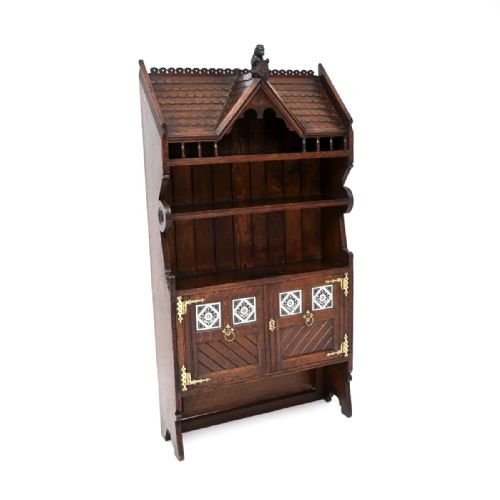
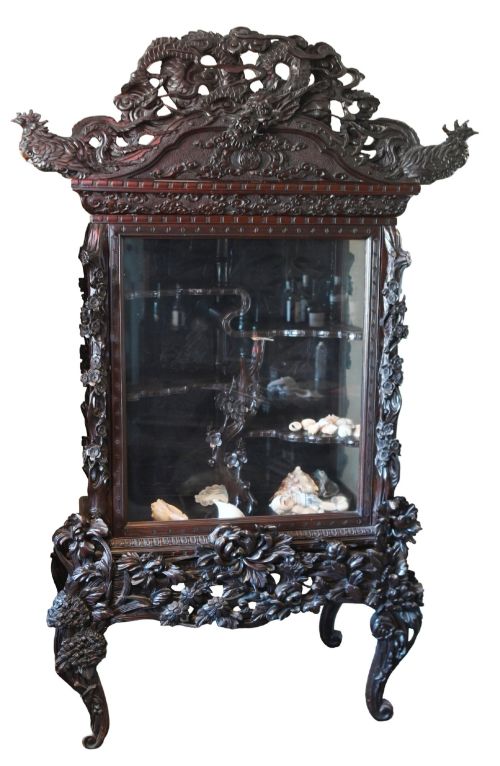
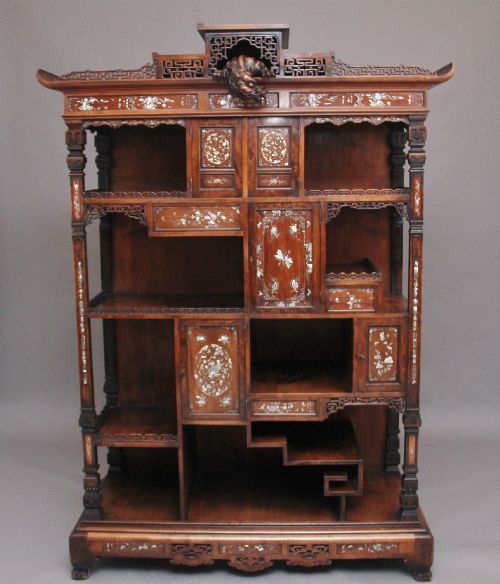
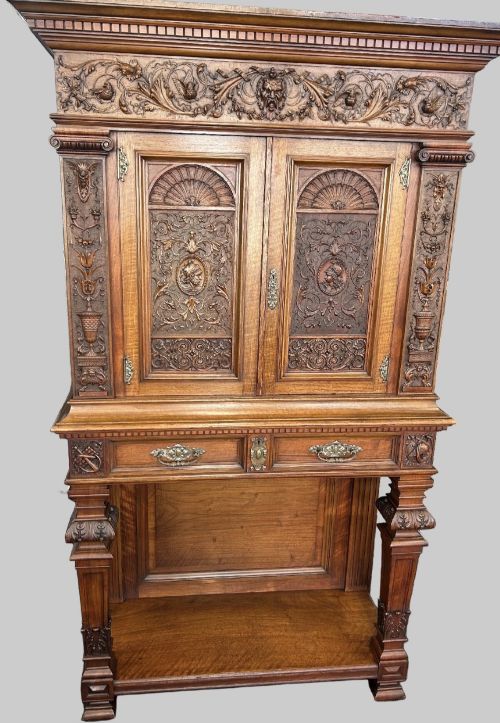
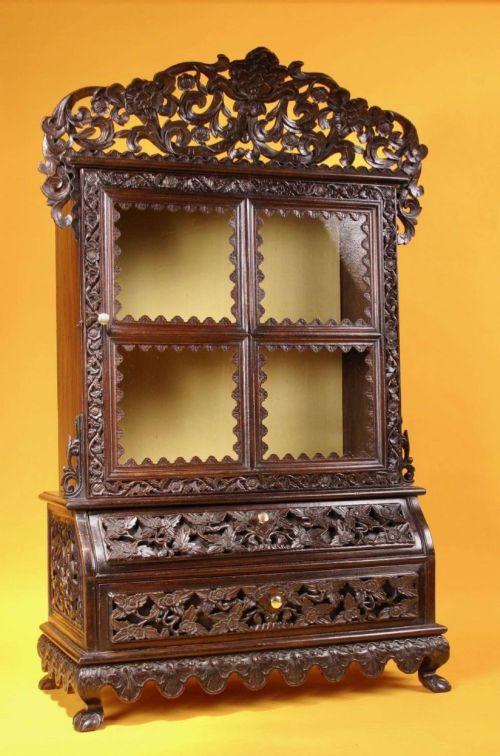
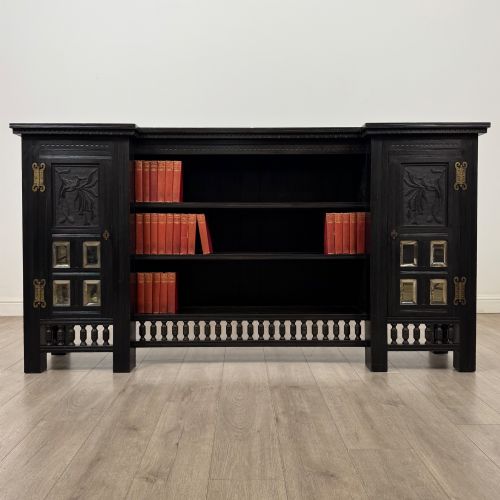
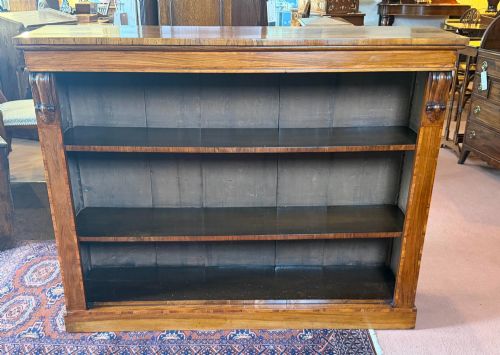
A 19th century carved display cabinet encompasses an array of glazed timber forms designed to hold and protect valuable objects. These items range from formal Victorian bookcases to French provincial dressers, corner cabinets, and Japanese shodonas. Buyers searching this phrase meet various regional styles, including Regency mahogany pieces, Dutch bombé cabinets, and carved oak examples.
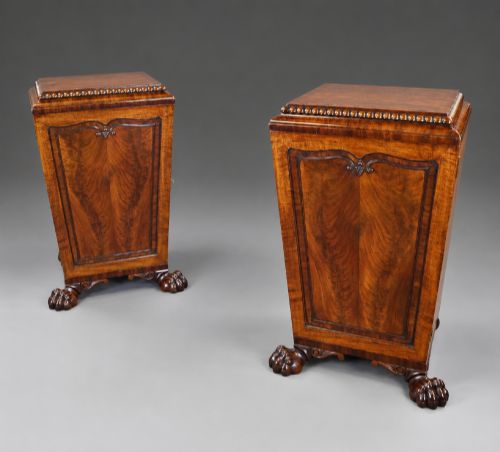
The objects serve multiple storage and decorative functions within domestic interiors, appearing as upright display cases, music cabinets, and sideboards with glazed doors. Oak, mahogany, and walnut dominate the selection, often complemented by brass hardware and mirrored backs. The pieces bridge utility and display, reflecting the period's domestic habits.
How They Were Made
Cabinet makers utilised solid woods such as oak, mahogany, walnut, rosewood, and exotic hardwoods, frequently applying fine veneers over secondary timbers. Carved surface ornamentation defines the aesthetic, executed by hand directly into the timber. Glazing involves leaded or timber-barred frames holding transparent glass panels, paired with brass hinges and locks.
Construction techniques include dovetailed joints for drawers and mortise and tenon frames for structural stability. Interior arrangements rely on adjustable timber shelving supported by wooden racks or brass pins. Surface finishes range from polished French polish to painted or lacquered coats on Asian import pieces.
Object forms include bookcases, music cabinets, corner shelves, sideboards, and dressers alongside traditional display cabinets.
What Varies in Quality
The depth and crispness of the hand carving separate standard production from superior examples. Skilled execution shows sharp undercutting and precise symmetry in floral, geometric, or figurative motifs, whereas lesser pieces display shallow, mechanical incision.
Selection of timber grain dictates visual merit, with figured walnut, burr veneers, and dense mahogany commanding higher regard than plain or secondary woods. Original glass panels, intact brass hardware, and well-fitted doors indicate superior workshop origins.
Gabriel Viardot·Edwards & Roberts·James Winter
The 19th Century Carved Display Cabinet Glossary
- Shodona
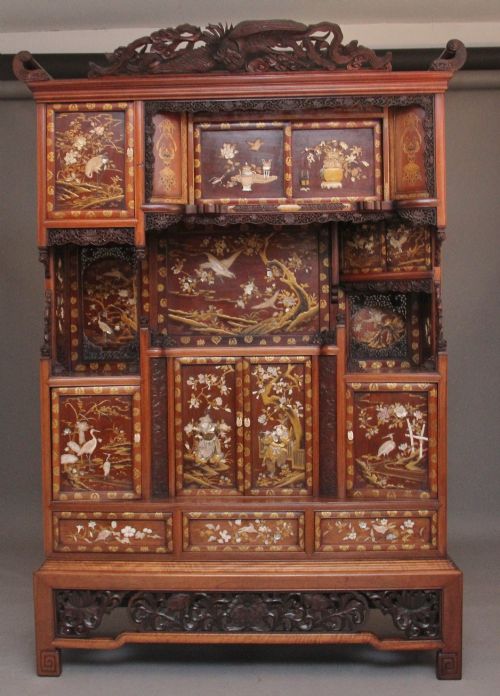
- A Japanese tiered display cabinet featuring asymmetrical shelving and compartments, popular during the late 19th century. These pieces often incorporate carved hardwood and lacquer.
- Astragal
- Moulding strips that divide glass panes within a door frame into smaller geometric sections. They provide structural support while adding decorative rhythm to the glazed front.
- Chiffonier
- A low sideboard or cabinet equipped with enclosed shelving below and sometimes a mirror back above. The form evolved during the Victorian era for storage and display.
- Bombé
- A swelling, outward-curving chest or cabinet profile originating in continental furniture design. This convex contour requires advanced carpentry to maintain structural integrity.
- Etagere
- An open piece of furniture with multiple tiers for displaying small objects or books. Turned legs and slender supports typify the form.
19th Century Carved Display Cabinet: Frequently Asked Questions
How do I use a display cabinet?
These cabinets serve to organise and exhibit porcelain, glassware, or collected curiosities behind protective glass doors. The enclosed shelves shield delicate items from dust while maintaining visual access.
Lower cupboards or drawers provide concealed storage for table linen or paperwork. Positioning the cabinet away from direct sunlight protects timber finishes and internal contents.
What woods were used for these cabinets?
Cabinet makers relied primarily on native and imported hardwoods including mahogany, oak, walnut, and rosewood. Satinwood and padouk appear in specialised or exotic commissions.
Secondary woods such as pine or deal often form the interior carcase or drawer linings. Veneers of burr walnut or figured mahogany face the primary visible surfaces.
How do I identify a Victorian cabinet?
Victorian pieces typically display dense carved ornamentation, dark polished timber, and heavy proportions. Stylistic revivals such as Gothic, Renaissance, and Jacobean influence the decorative carving.
Plate glass doors, brass locks stamped by makers, and adjustable shelving systems point firmly toward mid-to-late 19th-century manufacturing methods.
Are shelves adjustable in these cabinets?
Many examples feature adjustable shelving supported by wooden ratchets, sliding notches, or brass shelf-studs. This adaptability accommodated books of varying heights or large ceramic vessels.
Fixed shelving remains common in earlier regional dressers and simpler provincial cupboards where height variation was less necessary.
What is a Japanese shodona?
A shodona is an East Asian display cabinet featuring asymmetrical shelves, sliding doors, and small compartments. European makers adapted these designs during the late 19th-century craze for Japonisme.
They utilise dense hardwoods like padouk and incorporate intricate pierced carving alongside lacquer or painted panels.