



1960s Sapphire Jewellery
These 1960s sapphire jewellery pieces combine deep blue stones with mid-century mountings, offering structured elegance for daily wear.
1960s Sapphire Jewellery
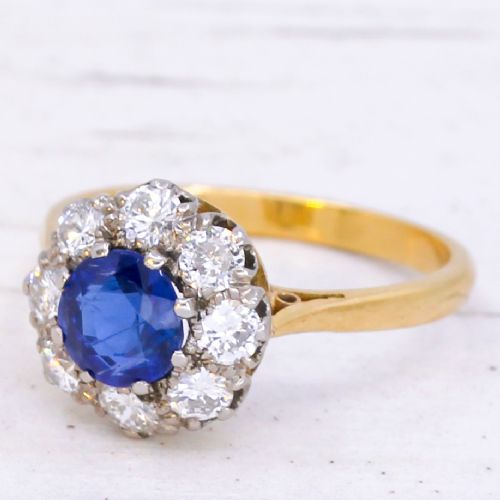
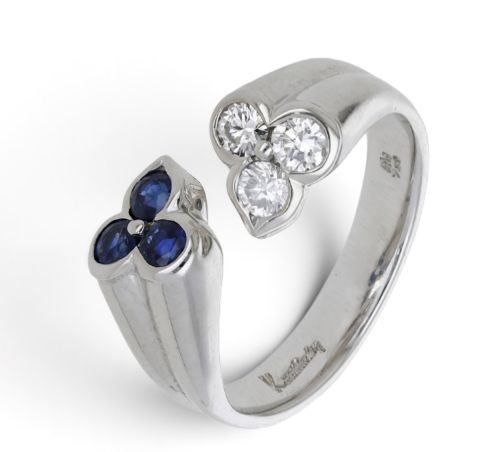
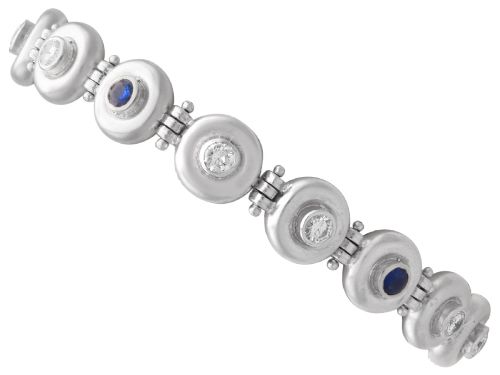
When you search for 1960s sapphire jewellery, you encounter rings, bracelets, pendants and necklaces shaped by mid-century design. The evidence shows prominent cluster rings, floral clasps on pearl strands, and crossover motifs.
You meet items styled in mid-century modern, art deco revival and retro aesthetics. Platinum and various carats of gold form the structural foundations for these precious stones.
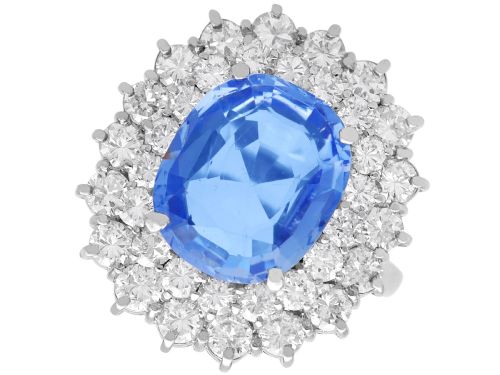
Cluster configurations dominate the rings, framing central sapphires with brilliant or rose-cut diamonds. Natural Ceylon and Burmese stones appear frequently within these specific formats.
Materials and construction methods
The jewellers of this decade relied on platinum and gold, specifically yellow gold alongside 18ct and 9ct white gold alloys. Settings often combined platinum claws or tops with gold shanks to secure the stones.
Natural sapphires, occasionally unheated or originating from Ceylon and Burma, are paired with old cut, rose cut and brilliant cut diamonds. Cultured pearls also integrate into multi-strand necklaces featuring sapphire-set gold clasps.
1960s Sapphire Jewellery Retail Price Guide 2026
Typical asking prices for 1960s sapphire jewellery among the pieces listed under this phrase on Sellingantiques today, from the lower quarter to the upper quarter. They describe what is for sale here now, not the wider market.
Listings show sapphire items combined with diamonds, platinum, yellow gold, and 18ct white gold across mid-century styles.
Distinctions in grade and execution
Quality rests upon the weight and origin of the sapphire, alongside the cut and proportion of accompanying diamonds. Natural unheated stones and large carat sizes elevate the standing of a piece considerably.
The execution of the setting defines the upper tier of the range. Precision in platinum work and secure claw construction demonstrate superior workshop standards compared to standard commercial outputs.
The 1960s Sapphire Jewellery Glossary
- Cluster ring
- A ring design featuring a central gemstone surrounded by a border of smaller stones, typically diamonds. This layout maximises visual impact and reflects mid-century tastes.
- Ceylon sapphire
- A natural corundum originating from Sri Lanka, known for a characteristic vivid blue coloration. These stones frequently appear in mid-century cluster and crossover mountings.
- Old cut diamond
- A precursor to the modern brilliant cut, featuring a smaller table and higher crown. These stones impart a softer, warmer scintillation in vintage settings.
- Crossover ring
- A ring style where the shank sweeps around to cross over the finger, often displaying two main stones or a sapphire and diamond side by side.
- Cultured pearl
- An organic gem formed by introducing an irritant into an oyster or mollusc. They appear here strung in double or triple strands with gold and sapphire floral clasps.
1960s Sapphire Jewellery: Frequently Asked Questions
What defines a 1960s sapphire ring?
These rings typically feature mid-century cluster settings or crossover designs holding natural sapphires and diamonds. White gold and platinum mountings are standard for framing the blue stones.
Floral motifs and robust geometric lines also characterise the period, moving away from delicate Edwardian styles toward bolder statements.
How do I wear vintage pearl necklaces with sapphire clasps?
Double and triple strand cultured pearl necklaces from this era work well as statement neckwear for formal occasions. The decorative sapphire and gold floral clasp can be worn at the back or rotated to the side as a feature.
Care should be taken to protect the pearls from cosmetics and perfumes while wearing them.
Are these sapphires natural?
The listings demonstrate natural sapphire varieties, including specific origins such as Ceylon and Burma. Some entries explicitly note unheated stones.
Laboratory certificates often accompany high-carat natural stones to confirm their geological origin and treatment status.
What metal is most common in these pieces?
White gold and platinum appear frequently, particularly as settings designed to enhance the blue hue of the sapphires. Yellow gold also forms shanks and structural elements.
Carat weights for gold vary between 9ct, 14ct and 18ct across the surviving inventory.