

1960s Omega Timepiece
A 1960s omega timepiece delivers precision timekeeping wrapped in mid-century design, offering collectors reliable mechanical movements and enduring style.
1960s Omega Timepiece
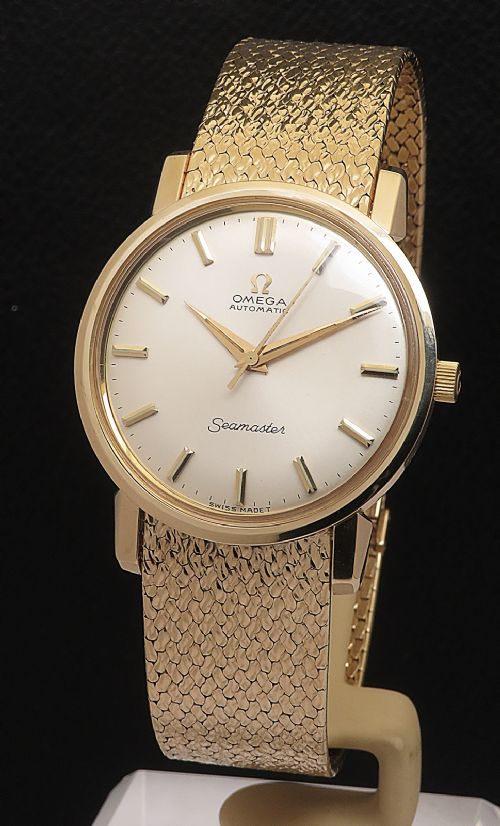
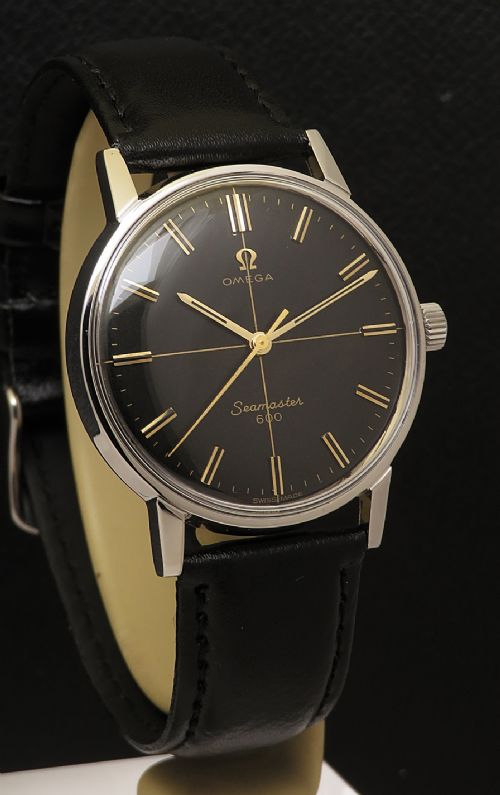
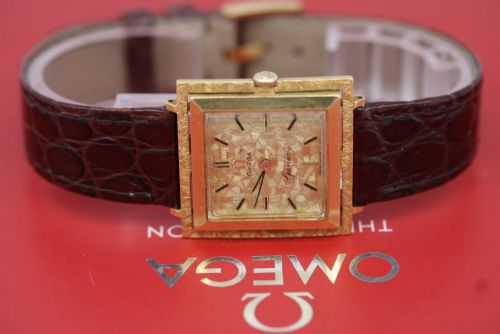
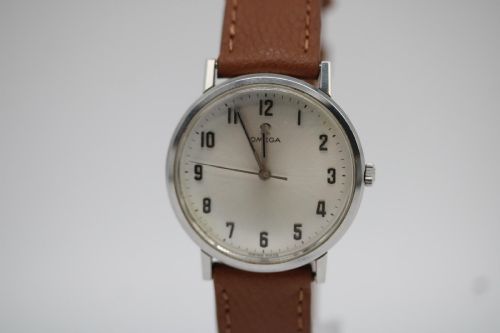
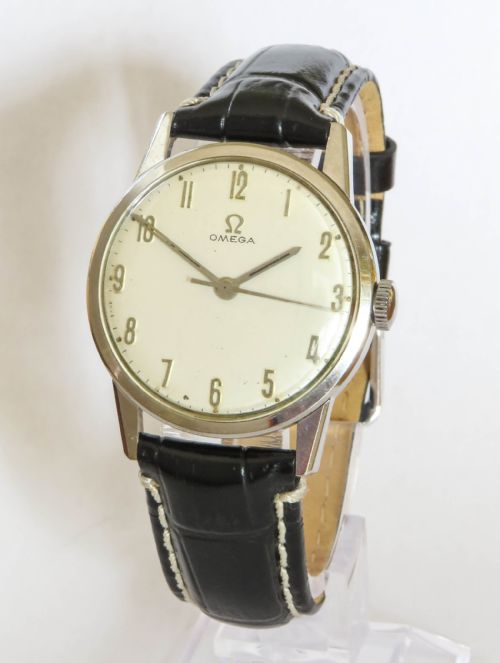
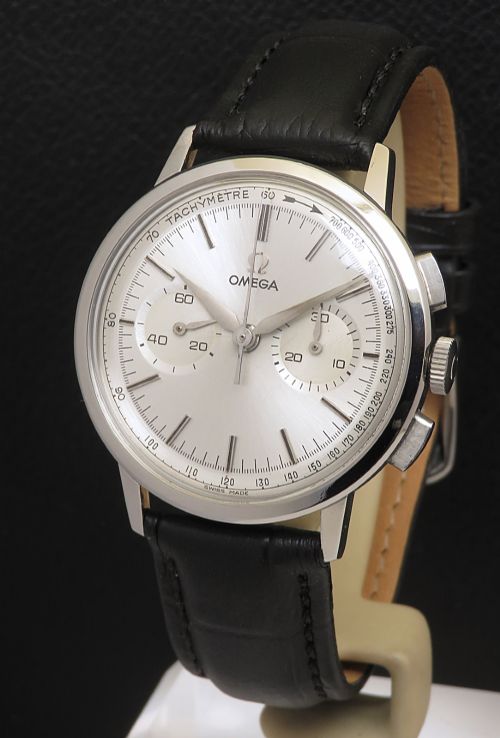
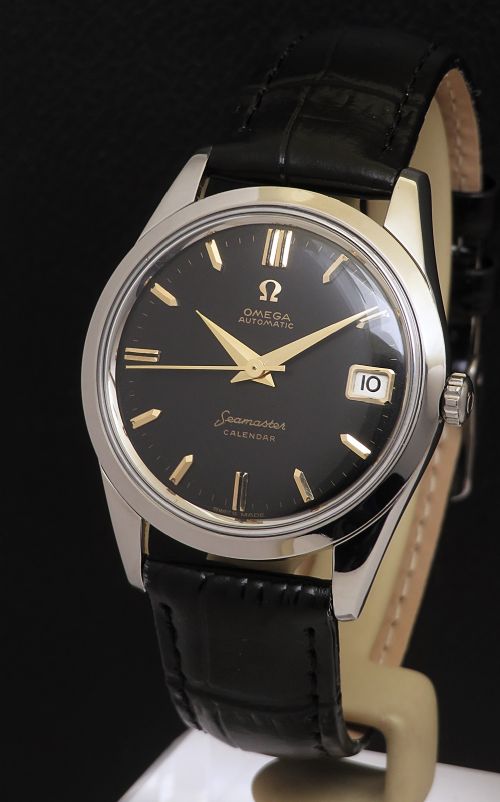
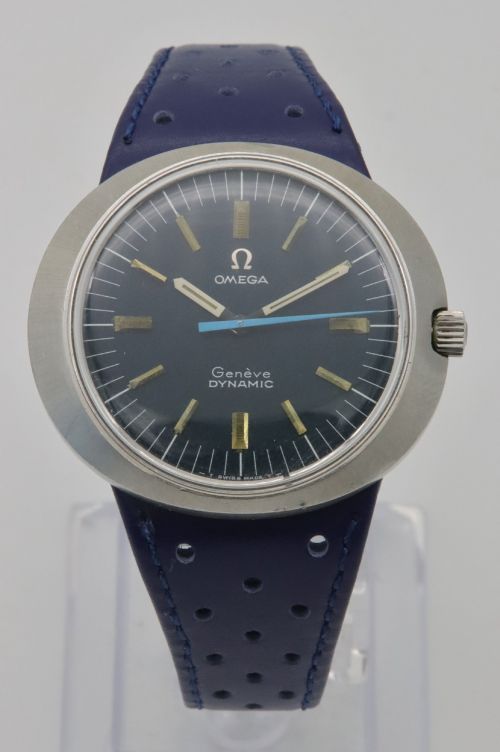
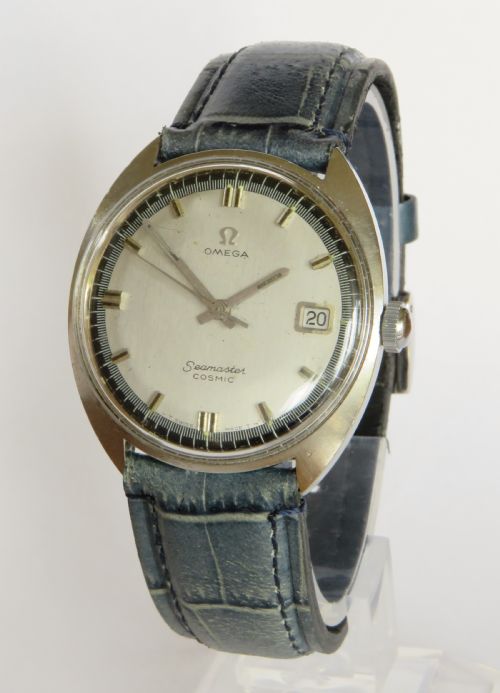
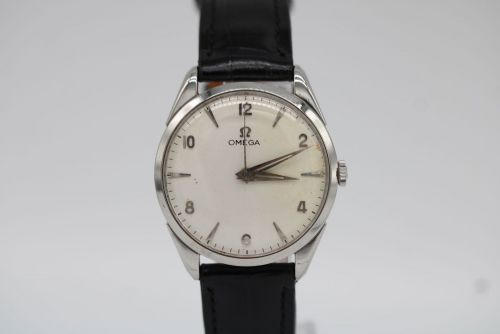
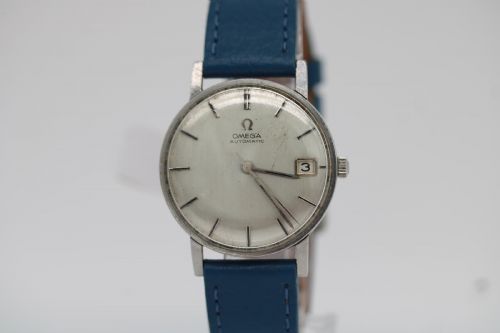
A 1960s omega timepiece encompasses wristwatches produced during that decade, spanning dress models, chronographs, and robust divers. These objects represent a period of significant mechanical refinement and distinctive aesthetic variety in horology.
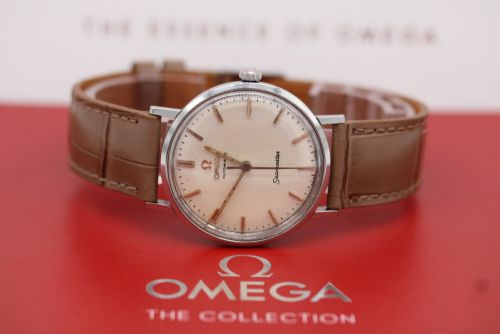
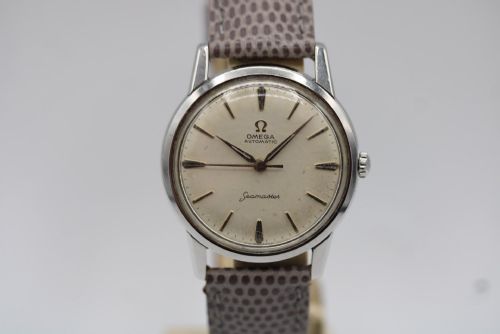
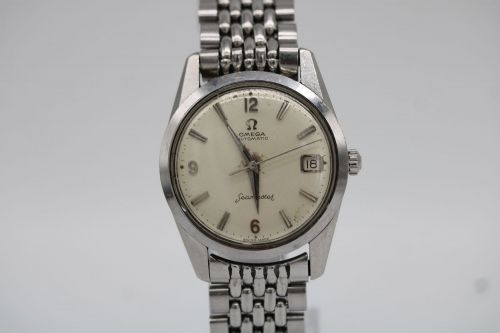
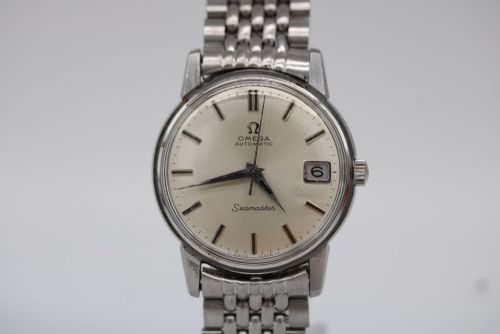
The most frequent encounter on this page is the wrist watch form, often categorised under lines like Seamaster, Geneve, or DeVille. These pieces showcase the mid-century modern design ethos applied to personal timekeeping.
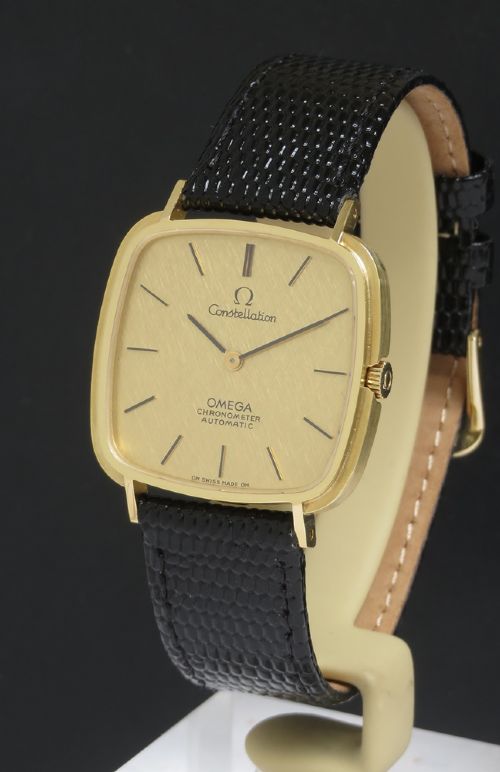
Examples range from solid 9ct gold and 18ct yellow gold dress pieces to stainless steel automatic models. Buyers select them for daily wear or collection, depending on the specific casing material and dial configuration.
How They Were Made
Casings utilise stainless steel, 9ct gold, gold plate, and 18ct yellow gold, paired with acrylic or glass crystals. Dials incorporate metal indexes, painted markers, and occasionally patinated finishes.
Movements rely on mechanical engineering, utilising manual wind mechanisms or automatic winding systems like the Calibre 601, 597, and 562. Leather straps complete many of these wristwatches, fastened with traditional buckles.
1960s Omega Timepiece Retail Price Guide 2026
Typical asking prices for 1960s omega timepiece among the pieces listed under this phrase on Sellingantiques today, from the lower quarter to the upper quarter. They describe what is for sale here now, not the wider market.
What Varies in Quality
Material choice dictates the baseline tier, shifting from gold-plated brass to solid 9ct gold, 18ct yellow gold, and heavy 18ct white gold with diamonds. Precious metal cases elevate the manufacturing standard significantly.
Internal complexity and originality distinguish specific examples, moving from standard manual wind calibres to automatic movements, chronographs, and certified chronometer grades like the Constellation. Original boxes, papers, and untouched dials further influence the standing of an individual piece.
Omega
The 1960s Omega Timepiece Glossary
- Calibre
- The specific internal mechanical movement manufactured by the watchmaker. This identifier denotes the specific design and architecture of the gears and springs.
- Chronometer
- A high-precision watch movement that has successfully passed rigorous official rating tests for accuracy. These pieces represent superior mechanical regulation.
- Manual wind
- A timepiece requiring the wearer to turn the crown periodically to tension the mainspring. This traditional system lacks an automatic rotor.
- Automatic
- A self-winding mechanical movement that uses a weighted rotor to tension the mainspring from the natural motion of the wrist. This mechanism removes the need for daily manual winding.
- Acrylic
- A lightweight, shatter-resistant plastic material utilised for watch crystals during the mid-century period. It can be polished to remove surface scuffs.
1960s Omega Timepiece: Frequently Asked Questions
How do I wind a manual watch?
Turn the crown clockwise between your thumb and forefinger until you feel gentle resistance. Stop immediately to avoid damaging the mainspring.
Perform this action at roughly the same time each day for consistent timekeeping.
Are these watches waterproof?
Vintage timepieces lack modern waterproof seals and gasket integrity. Avoid submerging them in water or wearing them while swimming.
Accidental splashes require immediate drying, and professional servicing should check the case back seal.
What is a chronometer certification?
A chronometer designation means the movement underwent strict testing by an official testing body for accuracy under various temperatures and positions.
This stamp guarantees superior timekeeping performance compared to standard mechanical watches.
How often does a movement need service?
Mechanical watches benefit from professional cleaning, oiling, and adjustment every few years. This maintenance prevents wear on the internal metal gears.
Watchmakers disassemble the calibre to remove old lubricants and replace worn components.