
1960s Luxury Timepiece
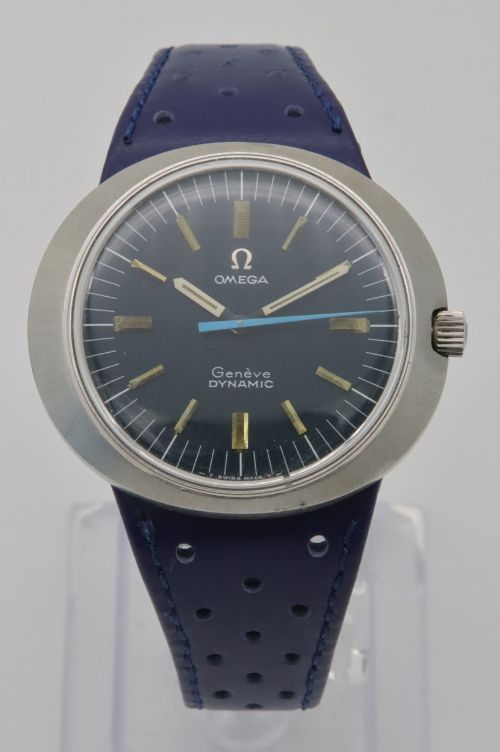
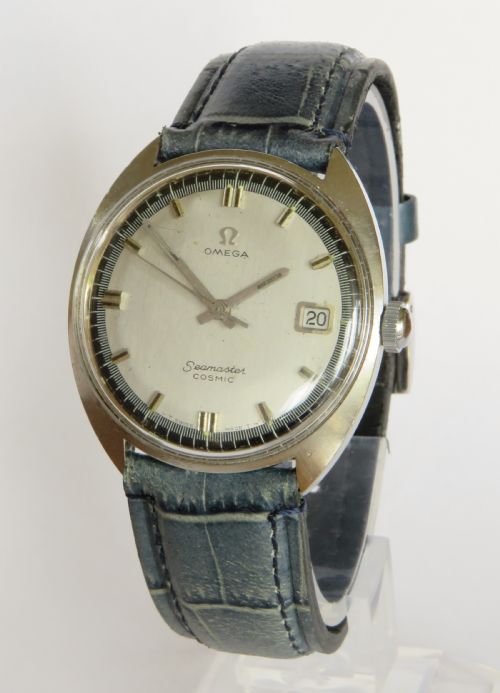
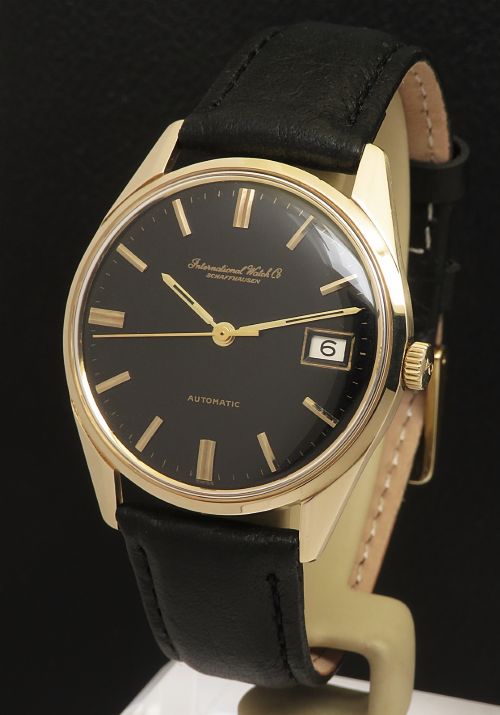
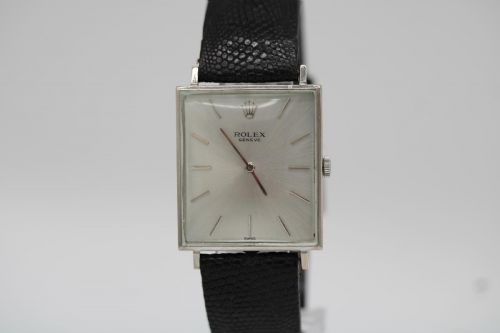
A 1960s luxury timepiece delivers mid-century design and precision engineering to the wrist or mantel.
1960s Luxury Timepiece
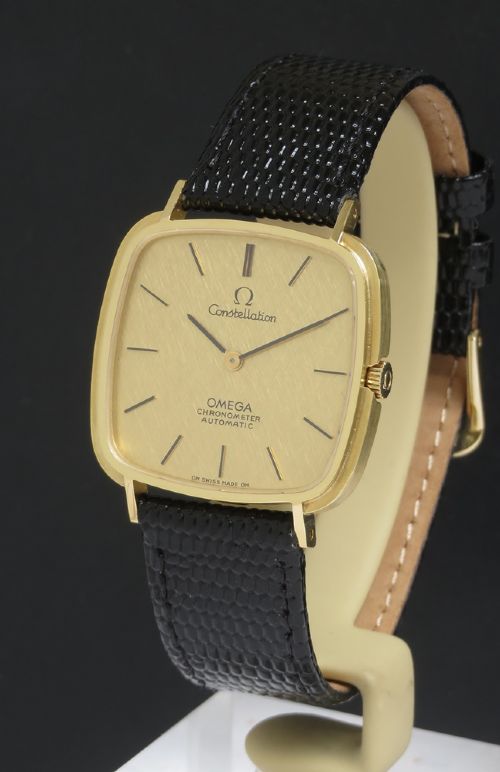
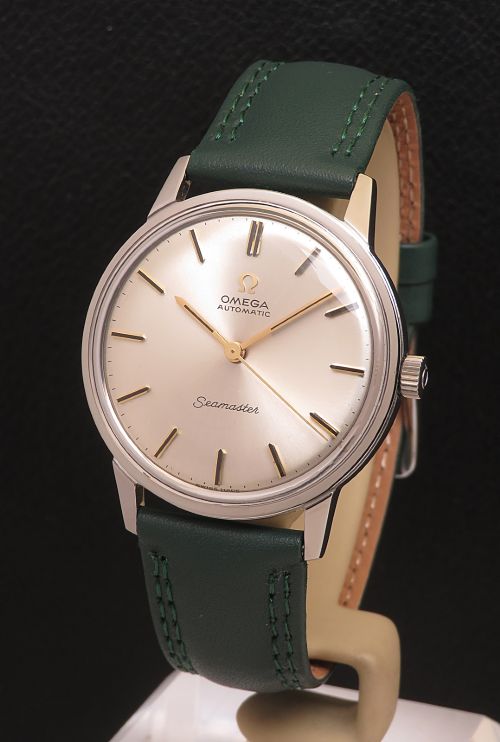
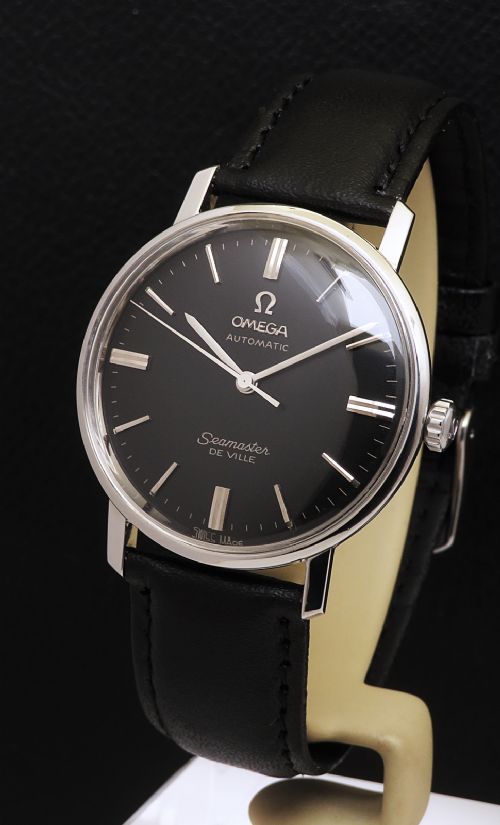
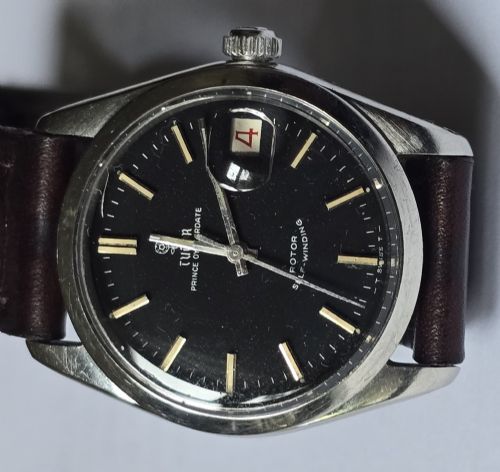
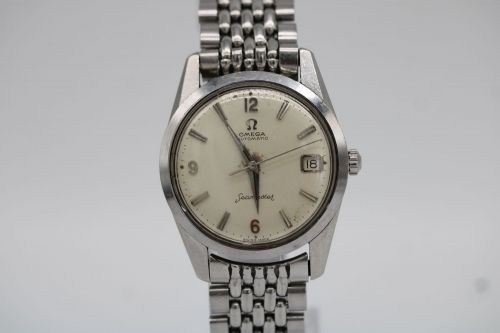
A 1960s luxury timepiece encompasses wristwatches, cocktail watches and mantel clocks originating primarily from the nineteen-fifties and nineteen-sixties. These items reflect the mid-century modern aesthetic through clean lines and distinctive dial configurations.
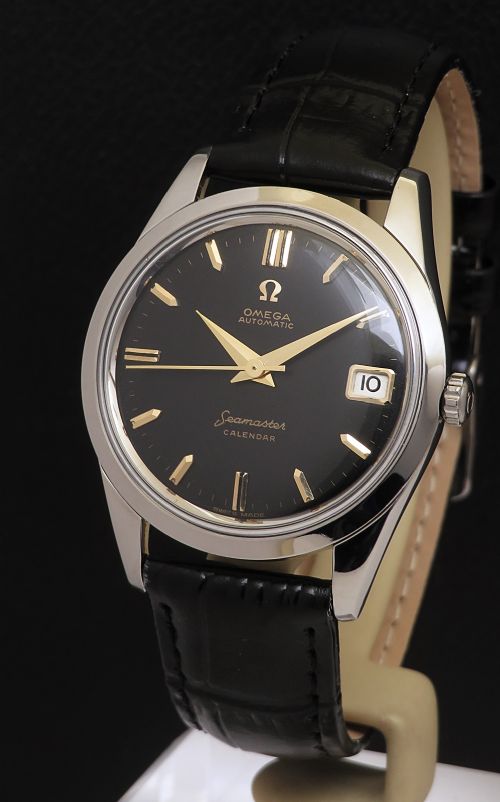
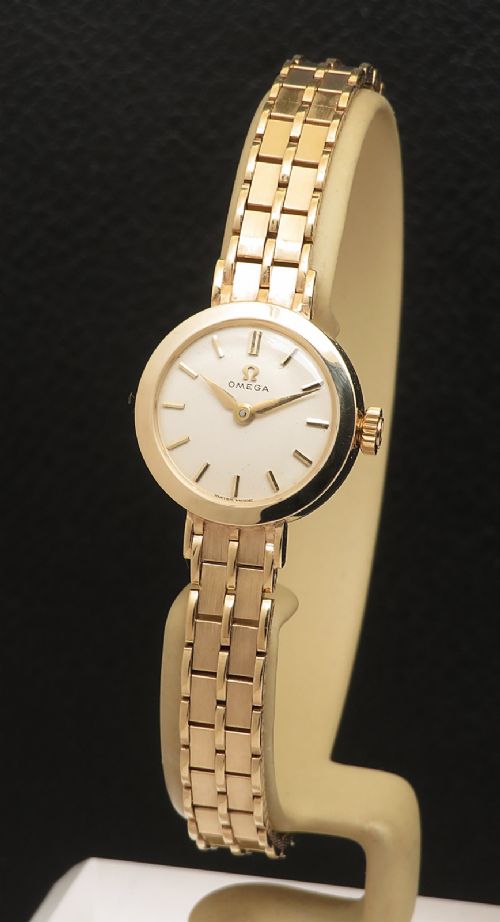
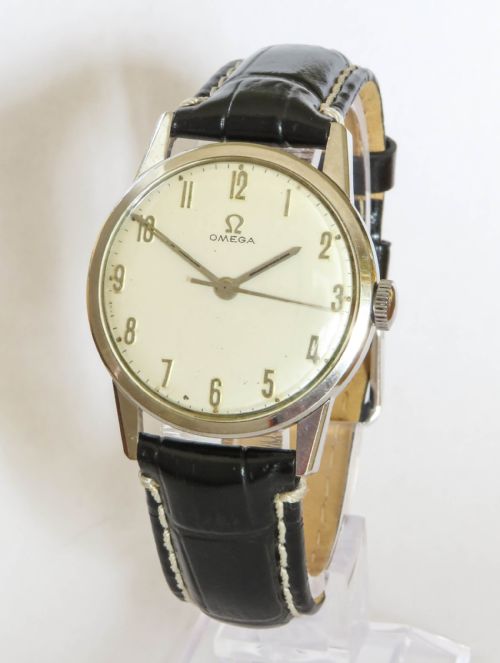
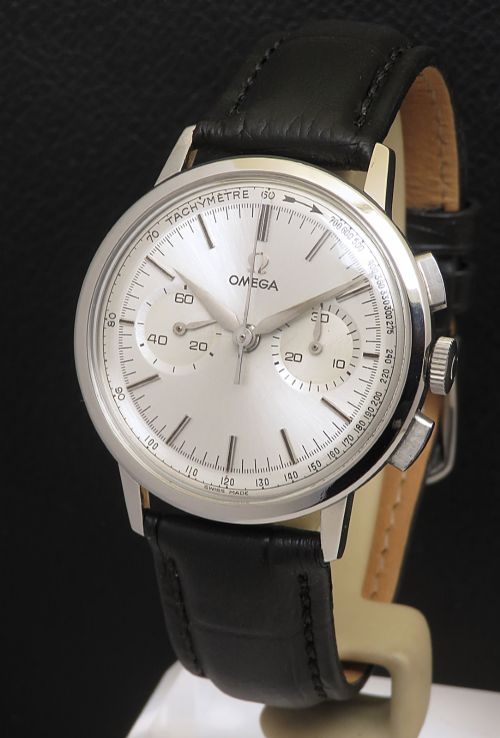
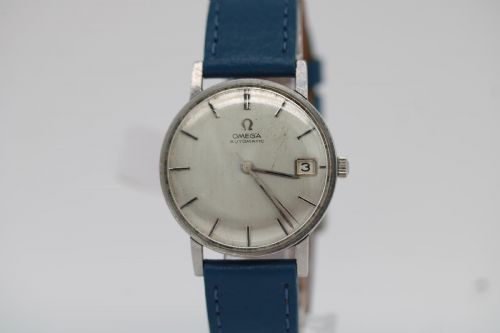
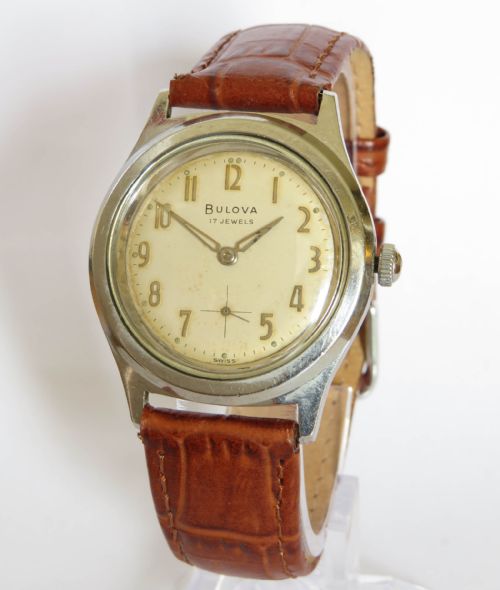
The wristwatches on this page include robust chronographs, automatic chronometers and date models designed for daily wear. Dressier iterations feature cocktail watches embellished with diamonds alongside specialised mantel clocks.
Makers represented in these listings span Swiss houses offering precious metal cases and mechanical movements. Buyers encounter gold, steel and platinum housings paired with leather straps or integrated metal bracelets.
Evaluating quality and finish
Quality rests upon the originality of components, including dials, hands, crowns and signed buckles. Surviving factory boxes, papers and original straps elevate the preservation standard.
Case condition defines the visual appeal, where sharp hallmarks, unpolished edges and minimal wear distinguish superior examples. The execution of mechanical movements and precious metal casework marks the upper tier of production.
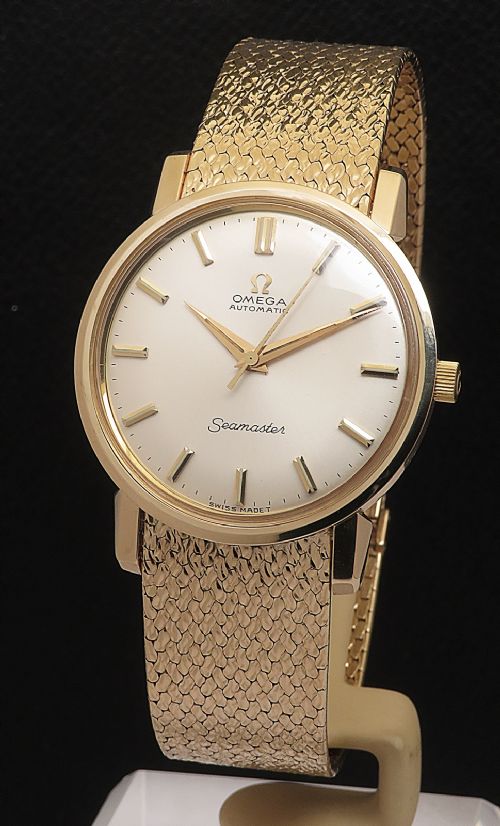
One heavy gold watch includes an extra long strap designed for the discerning wrist of a bygone era.
Omega·Tudor·Rolex·Bulova·IWC·Movado·Longines·Vertex·Jaeger Le Coultre
The 1960s Luxury Timepiece Glossary
- Chronometer
- A high-precision watch that has been tested and certified to measure time accurately under various conditions. These movements represent superior horological development.
- Calibre
- The specific internal movement mechanism designed and built by a watch manufacturer. Collectors reference the calibre number to identify the exact mechanical generation.
- Automatic
- A self-winding mechanical movement that uses the natural motion of the wearer's wrist to power the mainspring. This mechanism removes the need for daily manual winding.
- Chronograph
- A watch equipped with a display function for measuring elapsed time alongside standard timekeeping. These models typically feature subsidiary dials and pushers on the case.
1960s Luxury Timepiece: Frequently Asked Questions
How do I wind a manual watch?
Rotate the crown clockwise between your thumb and forefinger until resistance is felt. Stop immediately to avoid damaging the internal mainspring.
Wind the watch at the same time each day to maintain consistent tension and accurate timekeeping.
Are these watches waterproof?
Vintage timepieces lack modern water-resistance technology due to degraded rubber gaskets and ageing crown seals. Exposure to moisture or humidity should be avoided.
Consult a specialist horologist to test seals before exposing any vintage watch to water.
What is a patinated dial?
Patina refers to the natural ageing process of the dial surface, resulting in colour shifts or subtle texture changes over decades. Collectors often value original patina as evidence of authenticity.
Unrestored dials with aged surfaces tell the chronological history of the object.
How should I store my timepiece?
Keep watches in a dry environment away from direct sunlight and magnetic fields produced by electronic devices. Dedicated watch boxes or fitted presentation cases protect the exterior from scratches.
For mantel clocks, select a stable, level surface away from vibrations.