

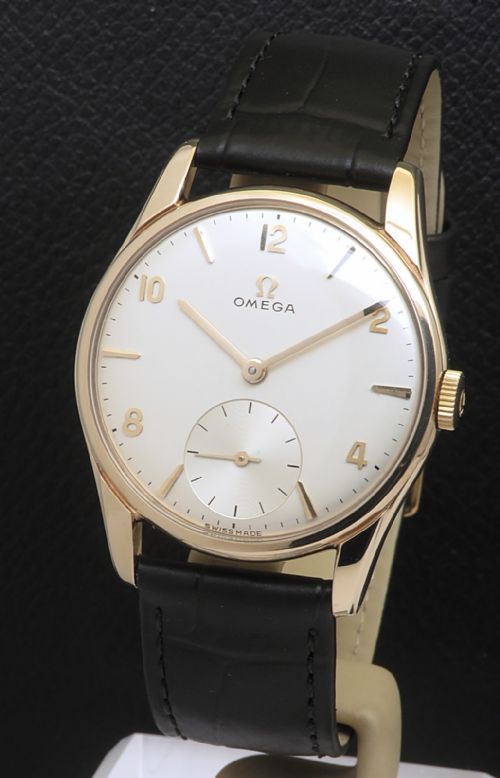


1960s Gold Omega Watch
A 1960s gold omega watch brings mid-century mechanical precision to the wrist, offering lasting horological elegance and solid precious metal construction.
1960s Gold Omega Watch
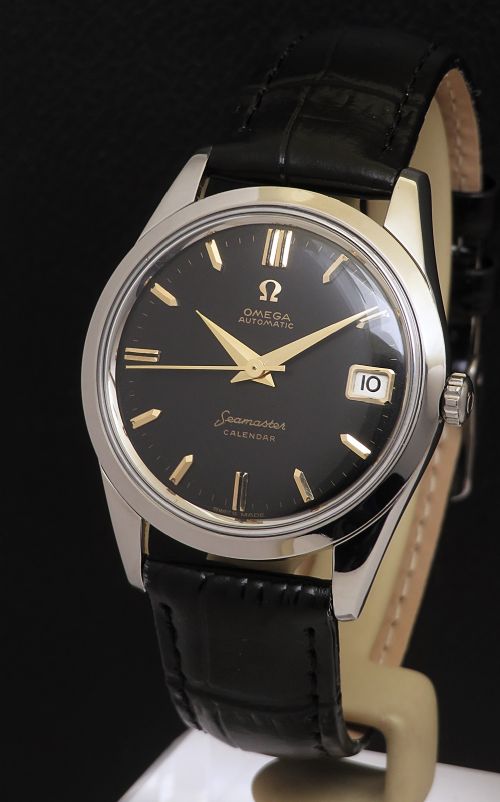
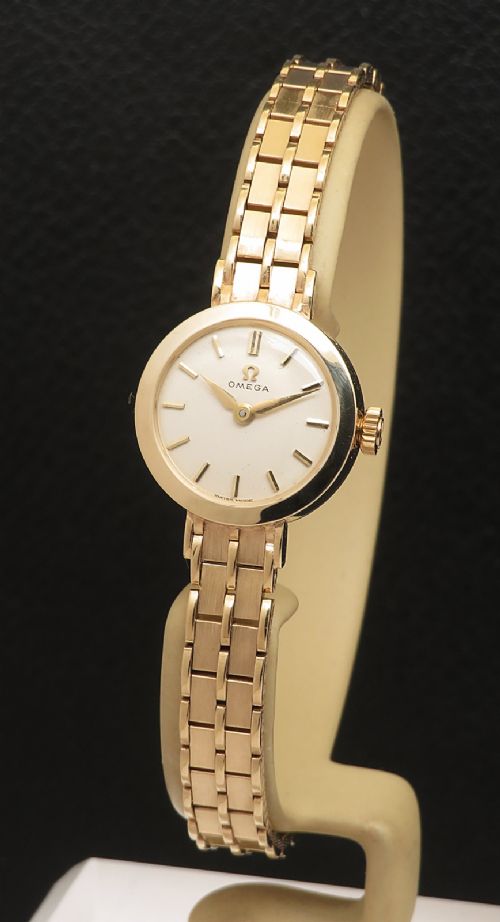
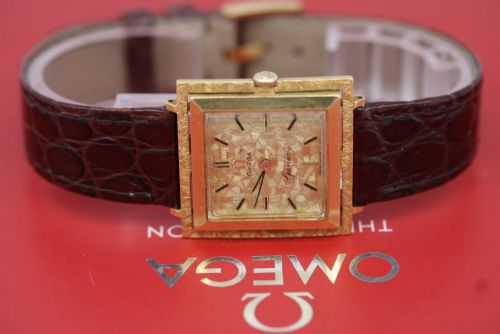
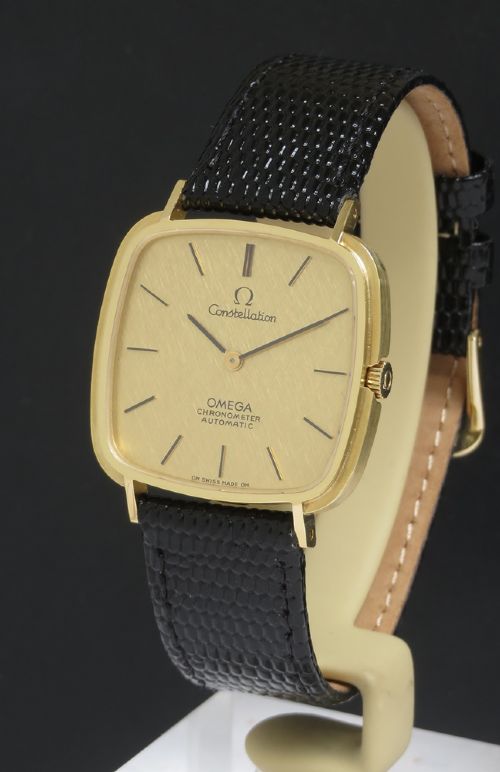
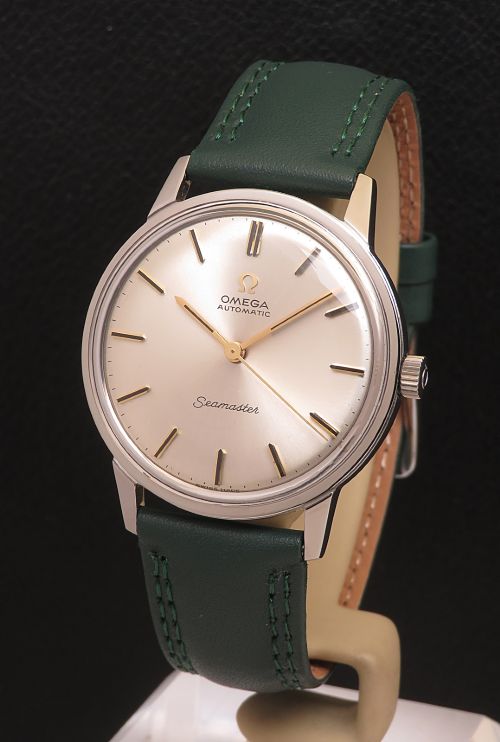
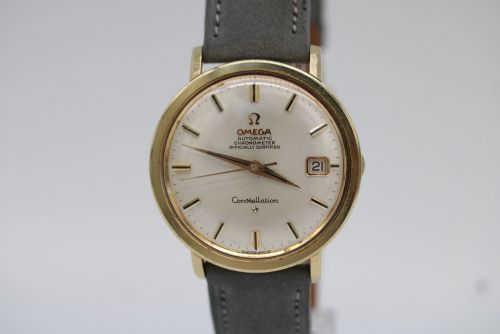
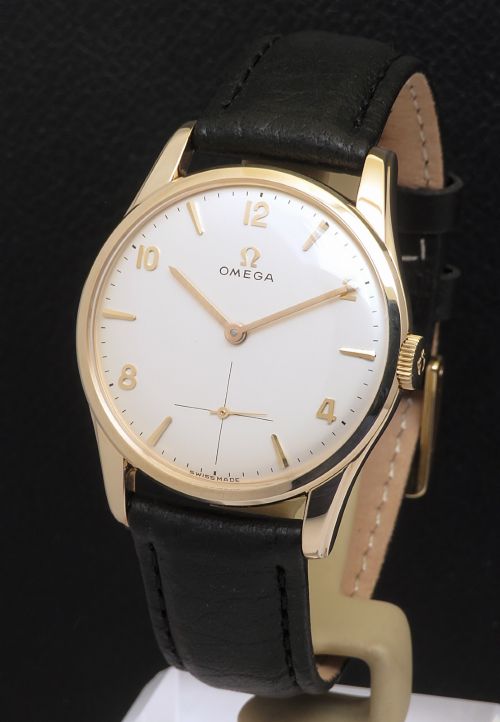
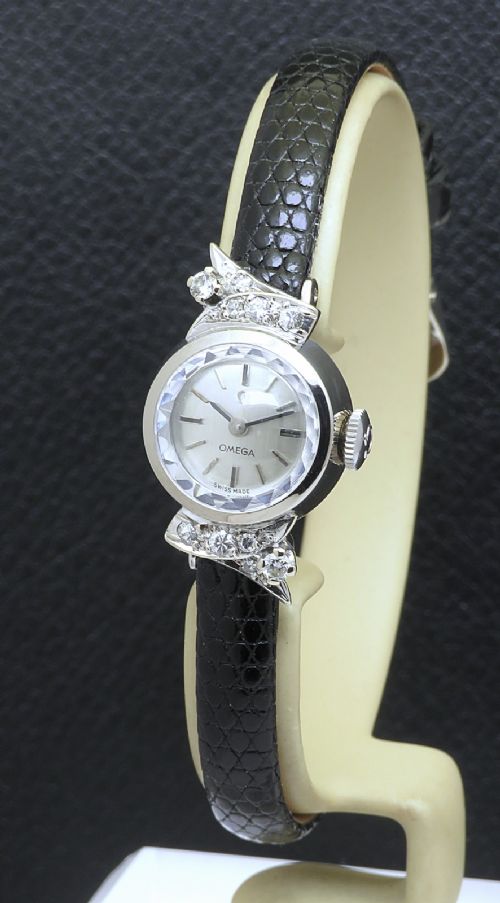
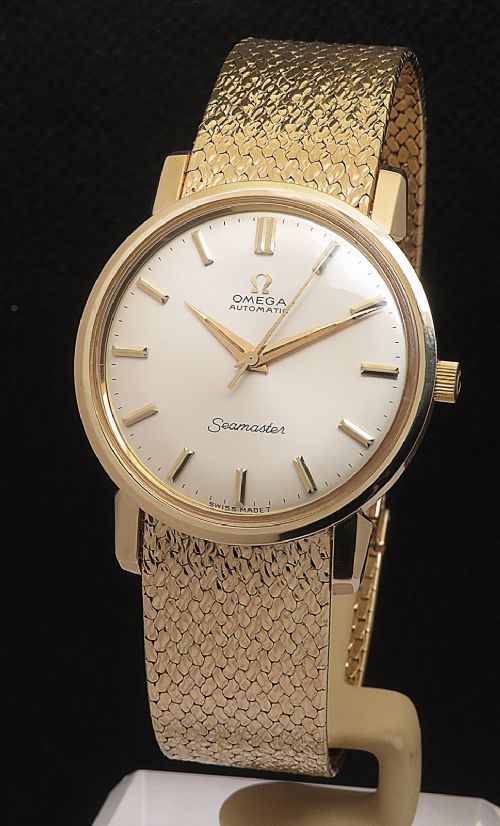
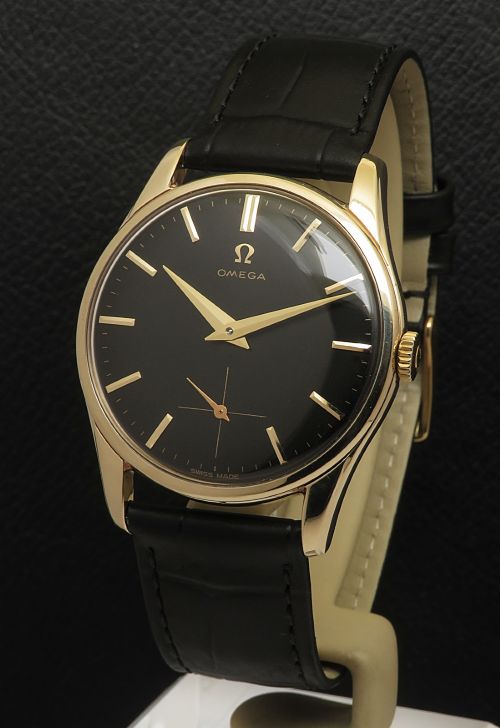
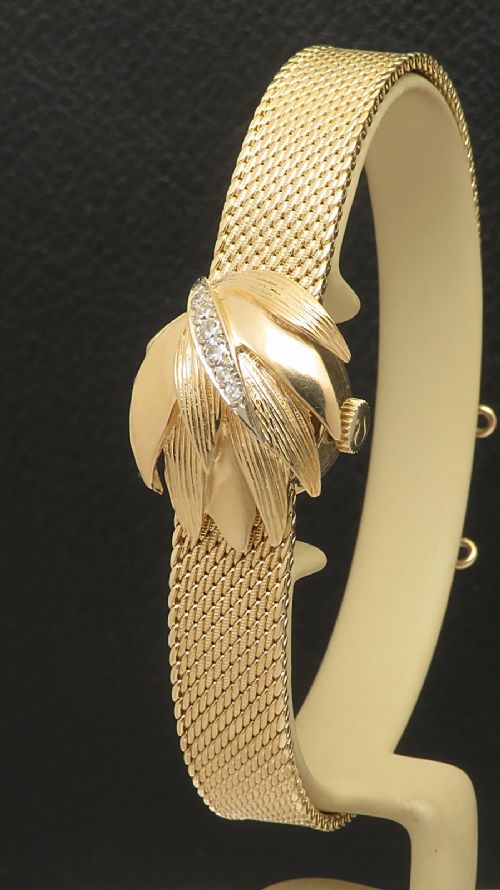
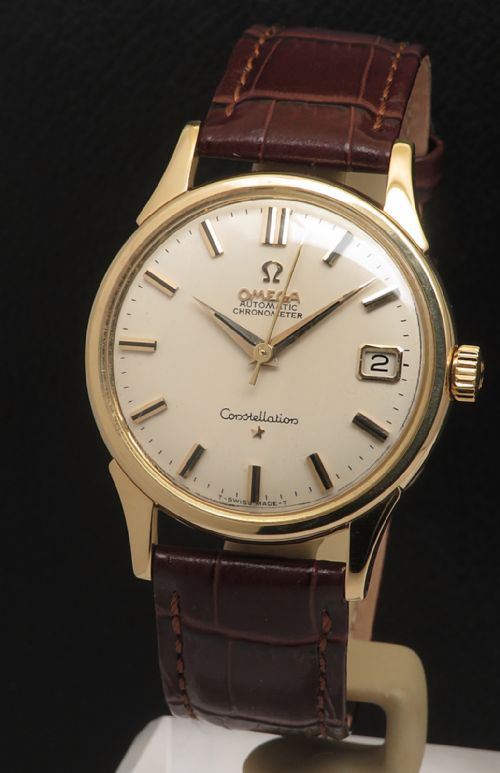
A 1960s gold omega watch represents a period of refined mid-century design, appearing on this page primarily as gents wristwatches and ladies cocktail watches. These pieces span lines such as the Constellation, Seamaster, Geneve, and Deville.
The materials recorded in these examples range from solid 18ct gold, 14ct gold, and 9ct gold to gold-plated cases, frequently paired with leather straps or integrated gold bracelets. Dials feature details like sunburst finishes and explorer layouts.
Forms vary from robust automatic chronometers to slim manual wind dress pieces, often accompanied by original boxes and papers. The evidence shows a heavy emphasis on solid gold construction across the decade.
Materials and Construction
Cases utilise precious metals including 9ct, 14ct, and 18ct gold alongside gold-plated variants, paired with glass, acrylic, and acrylic glass crystals to protect the dial. Movements rely on mechanical calibres driven by manual wind or automatic mechanisms.
Dials and bezels incorporate decorative elements such as diamond settings, particularly on ladies cocktail watches, whilst straps combine traditional leather with solid gold bracelets.
1960s Gold Omega Watch Retail Price Guide 2026
Typical asking prices for 1960s gold omega watch among the pieces listed under this phrase on Sellingantiques today, from the lower quarter to the upper quarter. They describe what is for sale here now, not the wider market.
Several pieces survive complete with their original presentation boxes and paperwork, preserving a direct link to the day they were first purchased.
Factors of Quality
Quality separates by the purity of the metal casing, with solid 18ct gold and diamond-set pieces sitting above gold-plated examples. The presence of original boxes, papers, and unworn condition elevates specific items significantly.
The sophistication of the internal movement also dictates standing, where chronometer-certified calibres and automatic mechanisms demonstrate higher precision engineering than standard manual wind variants.
Omega
The 1960s Gold Omega Watch Glossary
- Automatic
- A self-winding mechanical movement that uses a weighted rotor to power the watch through natural wrist movement.
- Calibre
- The specific designation given by the manufacturer to identify the internal movement design and mechanism.
- Chronometer
- A high-precision watch movement that has passed rigorous accuracy tests conducted by an official certifying body.
- Manual Wind
- A mechanical movement requiring the wearer to manually turn the crown to tension the mainspring and store power.
1960s Gold Omega Watch: Frequently Asked Questions
How do I wind a manual watch?
Turn the crown clockwise between your thumb and forefinger until you feel gentle resistance. Do not force the crown once resistance starts.
Wind the piece at approximately the same time each day to maintain steady tension on the mainspring and ensure accurate timekeeping.
Are these watches waterproof?
Vintage pieces from this era lack modern rubber gaskets and screw-down systems. Contact with moisture poses a risk to the movement.
Keep the watch away from swimming, showers, and heavy rain to protect the internal components and dial from water damage.
What is a cocktail watch?
A cocktail watch is a small ladies dress timepiece often embellished with diamonds and precious metals. They were designed for evening wear rather than daily timekeeping.
These pieces frequently feature integrated gold bracelets or delicate cords that conceal the watch head as a piece of jewellery.
How do I store my watch?
Store the timepiece in a dry, temperature-controlled environment away from direct sunlight and magnetic fields. Original boxes provide suitable protection when the watch is not being worn.
If the piece is manual wind, let it run down or give it a gentle wind periodically to keep the oils distributed within the movement.