



1950s Silver Case
A 1950s silver case represents an era of meticulous horological craftsmanship, sought after by collectors for its precision engineering and mid-century design.
1950s Silver Case
When you search for a 1950s silver case, you encounter horological items from the year 1950 embodying mid-century modern aesthetics. The selection on this page comprises wristwatches and mantel clocks, reflecting the design priorities of that decade.
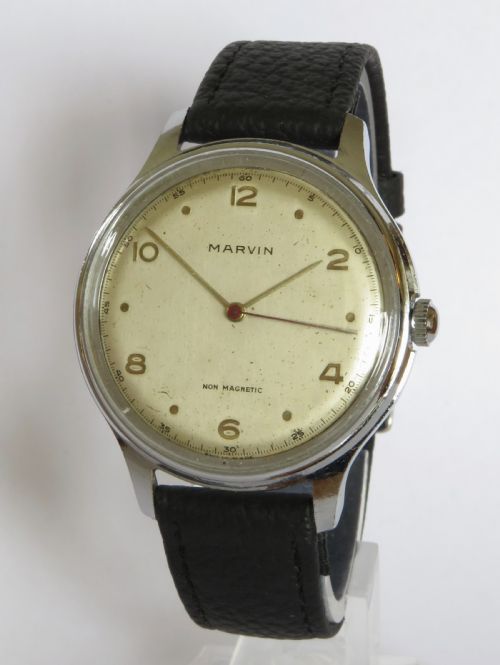
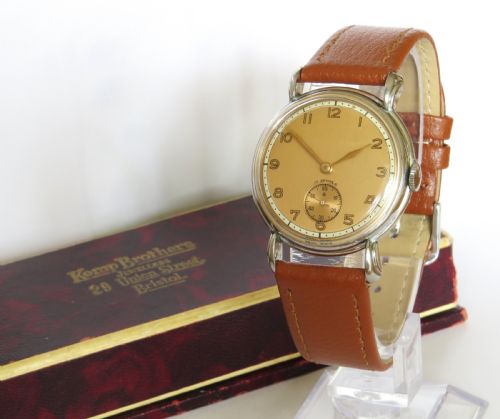
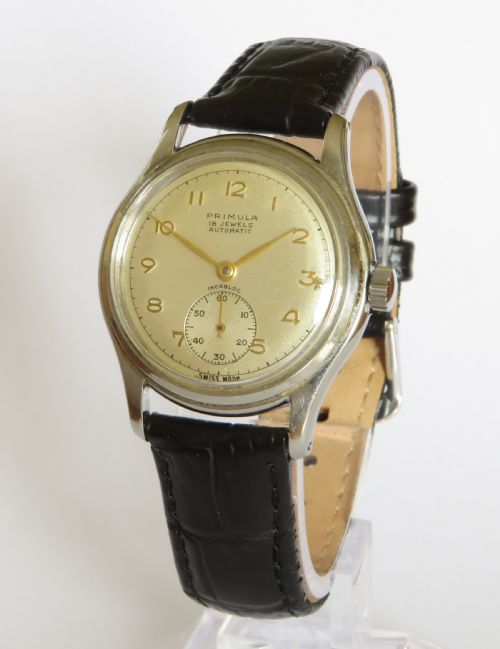
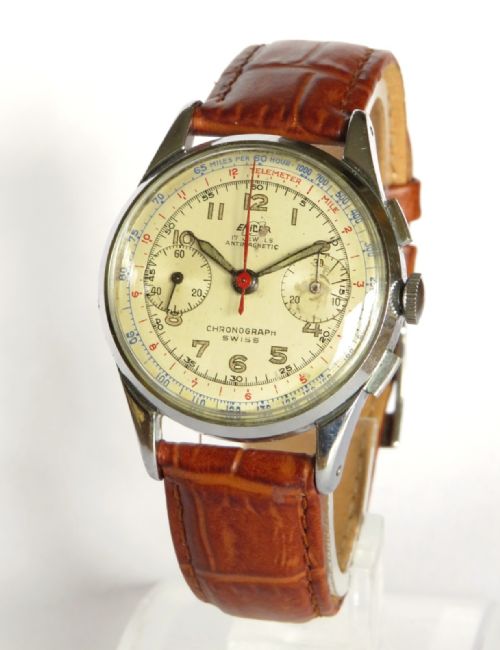
Wristwatches from makers such as Omega, Enicar, Primula, Rotary, and Smiths Deluxe form part of the selection, alongside Jaeger Le Coultre mantel clocks. These items showcase the functional elegance characteristic of mid-century Swiss and international production.
How they were made
The construction of these pieces incorporates materials such as steel, chrome, brass, and rhodium plating. Clocks and watches utilise glass, acrylic glass, and leather components to house and protect their delicate movements.
Metals are polished and plated to achieve the distinctive finishes seen on both mantel clocks and wristwatch cases. Interior mechanisms rely on precise mechanical engineering typical of mid-century watchmaking and clockmaking workshops.
1950s Silver Case Retail Price Guide 2026
Typical asking prices for 1950s silver case among the pieces listed under this phrase on Sellingantiques today, from the lower quarter to the upper quarter. They describe what is for sale here now, not the wider market.
Some mantel clocks in the selection utilise ambient temperature changes to wind themselves autonomously, proving that patience and air can keep time.
What varies in quality
Quality differences lie in the preservation of original plating, such as rhodium or chrome on the exterior housings. The legibility of dials and the crispness of case markers distinguish standard production from finer examples.
The sophistication of the internal movement, whether a chronograph mechanism or an Atmos clock calibre, determines the horological merit of each piece. Material integrity across the leather straps, glass covers, and metal casings also influences the overall standard.
Omega·Enicar·Rotary·Smiths Deluxe·Jaeger Le Coultre
The 1950s Silver Case Glossary
- Chronograph
- A watch with a display function for elapsed time alongside its primary timekeeping indication. This complication requires additional gear trains and pusher controls.
- Rhodium plating
- A metallic coating applied to base metals to provide a bright, reflective finish and resistance to tarnishing. It is frequently found on mid-century clock housings.
- Acrylic glass
- A transparent plastic material utilised as a lightweight and shatter-resistant alternative to silicate glass on watch faces and clock domes.
- Mid-Century Modern
- A design movement spanning the middle decades of the twentieth century, characterised by clean lines, functional forms, and minimal ornamentation.
1950s Silver Case: Frequently Asked Questions
What materials make up a 1950s silver case?
The items listed utilise steel, chrome, brass, and rhodium plating for their external housings and structural components. Additional elements include leather straps, glass, and acrylic glass.
These materials reflect the manufacturing standards of the period, balancing durability with refined mid-century aesthetics.
How do I identify a mid-century clock?
Mid-century clocks, such as the bell-jar model Atmos clocks in the selection, feature distinctive rhodium-plated brass frames and minimalist dials. Their design prioritises clean geometric lines and visible mechanical complexity.
Examining the materials, including brass and acrylic glass, helps date the piece to the 1950 era.
Are these watches mechanical?
The wristwatches from this period rely on mechanical movements, including automatic winding systems and chronograph functions. Makers such as Omega, Enicar, and Smiths Deluxe engineered these calibres entirely by hand.
Regular servicing keeps these vintage mechanical movements operating accurately.
How should I care for a vintage timepiece?
Keep the piece away from excessive moisture and magnetic fields to preserve the internal mechanical movement. Leather straps and rhodium-plated surfaces benefit from gentle cleaning with dry cloths.
Professional horological maintenance ensures the longevity of both wristwatches and mantel clocks.