


1950s Platinum Ring
A 1950s platinum ring brings together mid-century design and enduring white metal for engagement and cocktail wear.
1950s Platinum Ring
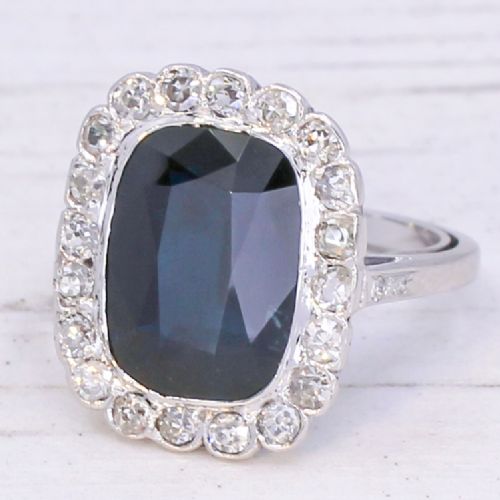
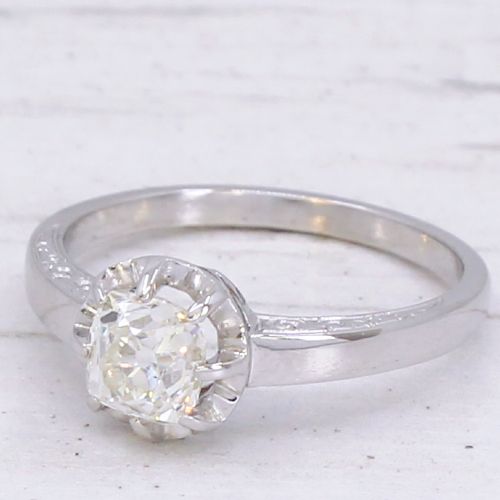
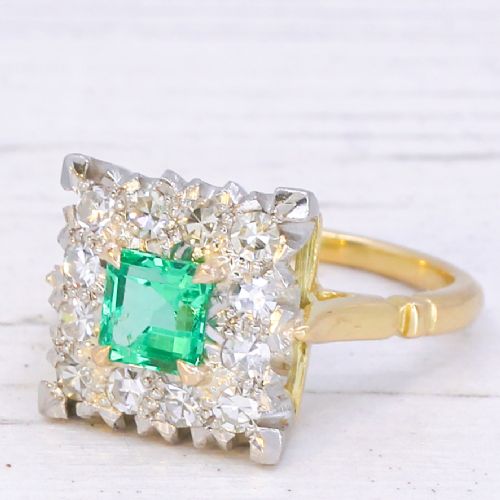
A 1950s platinum ring typically takes the form of an engagement ring, a cocktail ring, or a dress ring created during the mid-century period. These pieces frequently showcase central diamonds flanked by smaller stones, or coloured gems such as sapphires, emeralds, rubies, and pearls.
The aesthetic bridges traditional craftsmanship and the bolder shapes of the post-war era, encompassing styles from Mid-Century Modern to Retro and Art Deco influences. Solitaire settings, clusters, and multi-stone arrangements dominate the selection found on this page.
How they were made
Platinum serves as the primary structural metal for these pieces, chosen for its strength and bright white finish that securely holds precious stones. Goldsmiths often combined platinum with white gold or yellow gold, particularly in multi-stone settings and shank construction.
Gemstones from this era display specific cutting styles, including old cut, transitional cut, old European cut, and rose cut diamonds, alongside pear and emerald cut coloured stones. Settings range from delicate solitaire claws to complex cluster, ballerina, and bombe arrangements.
The listings demonstrate a strong presence of mid-century diamond and Ceylon sapphire rings set entirely in platinum.
What varies in quality
The distinction between tiers rests upon the weight, clarity, and treatment of the central gemstones, alongside the complexity of the platinum setting. Large unheated sapphires or emeralds with certified minimal oil treatment elevate a piece significantly above standard commercial grades.
Design execution and maker attribution also differentiate the range, as demonstrated by signed pieces from established Parisian and international houses. The precision of the stone setting and the integrity of the platinum work reflect the original maker's skill.
Boucheron
The 1950s Platinum Ring Glossary
- Platinum
- A dense, durable, and naturally white precious metal utilised in jewellery manufacturing for its superior strength in securing gemstones. It develops a soft patina over decades of wear.
- Old Cut Diamond
- A diamond cut by hand before modern machinery standardised proportions, typically featuring a smaller table, higher crown, and a distinctive open culet that creates a warm, candlelit sparkle.
- Transitional Cut Diamond
- A diamond cut between the old mine cut and the modern brilliant cut, bridging the aesthetic gap by retaining a small culet while introducing more uniform facets.
- Ballerina Ring
- A distinctive cocktail ring style featuring a central gemstone encircled by tapered baguette or brilliant cut diamonds, creating a silhouette that resembles a dancer's tutu.
- Trilogy Ring
- A ring featuring three main gemstones set in a row, traditionally symbolising the past, present, and future of a relationship.
1950s Platinum Ring: Frequently Asked Questions
What defines a 1950s platinum ring?
These pieces combine durable platinum settings with mid-century design characteristics, focusing on clean lines alongside sculptural cluster or solitaire silhouettes.
They reflect the post-century shift in jewellery tastes towards brighter white metals and prominent centre stones.
How do I identify a mid-century diamond cut?
Older stones often display transitional or old cuts, which feature smaller tables and deeper pavilions compared to modern brilliant cuts.
These older cutting styles produce a softer, more distinctive pattern of light return under various lighting conditions.
Can I wear an original engagement ring daily?
Platinum provides an exceptionally robust framework for everyday wear, resisting daily knocks better than softer precious metals.
Prongs and settings should still undergo periodic inspection by a specialist to ensure the security of older stones.
What is a cocktail ring from this era?
Cocktail and dress rings are larger, bolder pieces designed for evening wear, often featuring substantial coloured gemstones like sapphires or emeralds.
These items prioritise dramatic visual impact through elaborate cluster, bombe, or multi-stone arrangements.