



1940s Silver Jewellery
These pieces of 1940s silver jewellery combine wartime resilience with bold design, offering a distinct aesthetic that collectors seek for everyday wear.
1940s Silver Jewellery
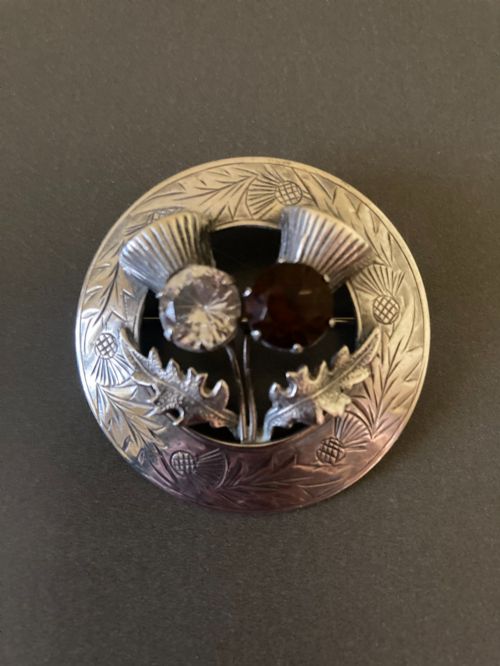
The objects available on this page lean heavily toward sculptural brooches, gem-set cocktail rings, and functional silver boxes. Figurative and floral motifs dominate the brooches, often enhanced with enamel, silver gilt, or gemstones like diamonds, onyx, and coral.
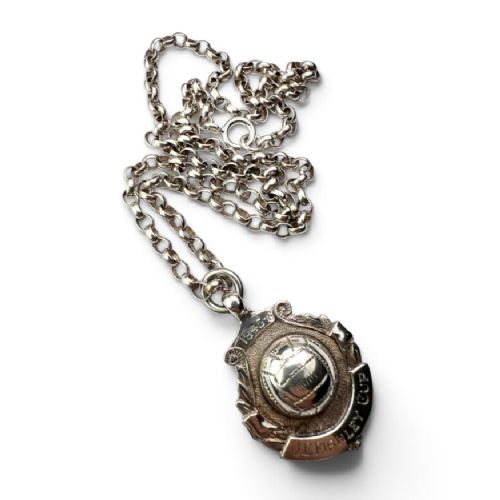
Originating predominantly from the 1940s, these items reflect both British silversmithing and continental European production, notably Danish craftsmanship. Buyers find everything from delicate floral dress clips to robust medals and substantial statement necklaces.
How they were made
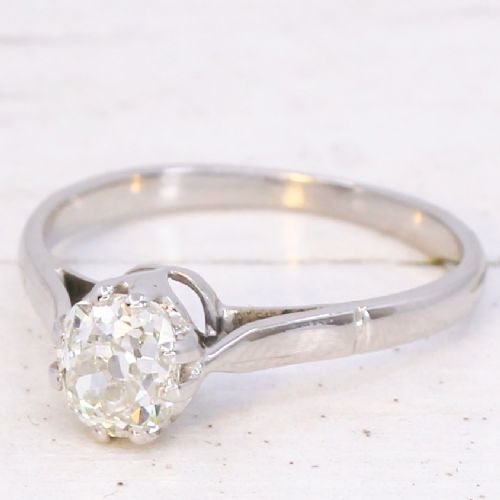
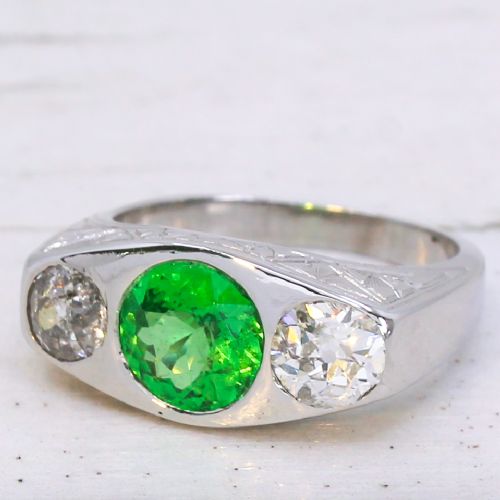
Makers relied primarily on sterling silver and standard silver, frequently applying silver gilt to achieve rich two-tone golden finishes. Platinum and 18ct white gold also appear in high-end jewellery such as diamond-set cluster rings and ladies' watches.
Surface decoration involved vitreous enamel for vibrant colour, alongside hand-set rhinestones and precious stones like diamonds, lapis lazuli, onyx, and coral. Metalwork techniques combined traditional casting, piercing, and stone-setting to create dimensional forms.
1940s Silver Jewellery Retail Price Guide 2026
Typical asking prices for 1940s silver jewellery among the pieces listed under this phrase on Sellingantiques today, from the lower quarter to the upper quarter. They describe what is for sale here now, not the wider market.
Listings feature items exclusively from the 1940s, incorporating materials such as sterling silver, platinum, vitreous enamel, diamonds, and coral.
What varies in quality
The distinction between ordinary production and finer items rests on the precision of the metalwork and the quality of the set stones. Superior pieces exhibit crisp casting lines in figurative subjects, secure stone settings, and evenly fired enamel without chips or fractures.
Design sophistication also separates the standard items from exceptional examples. Pieces featuring named makers or complex geometric configurations in the Art Deco and Retro traditions command greater attention from discerning collectors.
A H Darby & Son·G Hoppe
The 1940s Silver Jewellery Glossary
- Silver gilt
- Sterling silver that has been coated with a thin layer of gold. This technique provides the warm appearance of gold while utilising a silver base metal.
- Vitreous enamel
- Glass fused to the surface of metal through high-temperature firing. It creates durable, glossy coloured designs on brooches and decorative items.
- Retro style
- A bold jewellery design movement spanning the 1940s characterised by large dimensions, scroll motifs, and multicoloured gold or silver combinations.
- Old cut diamond
- A precursor to the modern brilliant cut diamond, featuring a smaller table, higher crown, and open culet. These stones possess a distinctive hand-polished charm.
- Sterling silver
- An alloy consisting of ninety-two point five percent silver and seven point five percent other metals, usually copper. It offers durability for wearable items.
1940s Silver Jewellery: Frequently Asked Questions
How do I identify 1940s jewellery?
Look for distinct design markers such as substantial Retro dimensions, geometric Art Deco transitions, and specific gemstone combinations like onyx and coral.
Assay marks and maker stamps provide precise dating confirmation, while the use of silver during metal rationing periods points directly to the decade.
Can I wear these rings daily?
Many sturdy silver and diamond cluster rings suit regular wear if handled with reasonable care. Items set with softer organic materials like coral or delicate enamel require more mindful handling.
Removing rings during physical tasks protects both the silver settings and the stones from accidental impact.
What is silver gilt?
Silver gilt is sterling silver coated with a fine layer of gold to give a dual-tone or purely golden finish. This method was common when precious metal restrictions influenced manufacturing.
Over decades, the underlying silver may subtly peek through the gold layer on high-friction areas.
How should I store brooches?
Keep brooches in lined boxes away from damp environments to prevent tarnish accumulation on the silver surface. Storing them individually stops pin stems from scratching adjacent pieces.
Enamel components benefit from stable temperatures away from direct sunlight to preserve their colour.