





1940s Silver Case
These 1940s silver case selections bring together functional mid-century design and traditional precious metal craftsmanship for daily use and display.
1940s Silver Case
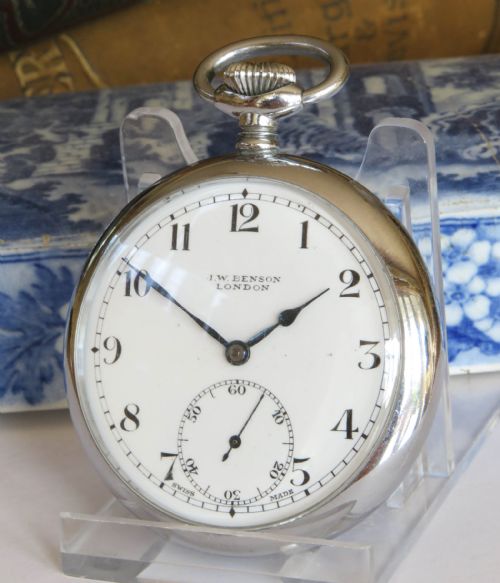
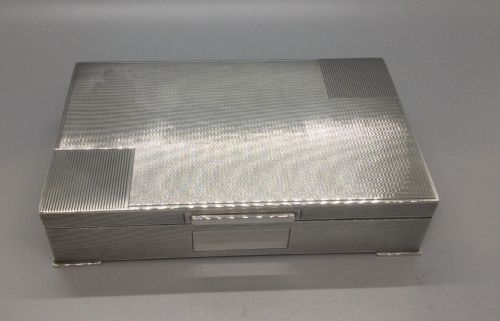
The objects frequently display geometric Art Deco influences alongside mid-century British and continental European styles. Makers utilised sterling silver, often pairing the metal with enamel, black lacquer, glass, and leather linings to create functional luxury goods.
Buyers encountering these items on this page will primarily locate pieces originating from British assay offices such as Birmingham and Sheffield, alongside French and Italian examples. Forms range from compact pocket-sized containers to larger fitted presentation boxes.
How they were made
Silversmiths constructed these items using sheet sterling silver, employing techniques like pressing, folding, and hand-engraving to achieve rigid structural forms with decorative surface patterns. Assay office hallmarks stamped directly into the metal verified the silver standard and year of production.
Decorative variations relied heavily on applied vitreous enamel or black lacquer finishes set against polished silver grounds. Internal elements often incorporated fitted wooden frameworks, leather linings, or fabric partitions to cushion contents such as cigarettes or timepieces.
1940s Silver Case Retail Price Guide 2026
Typical asking prices for 1940s silver case among the pieces listed under this phrase on Sellingantiques today, from the lower quarter to the upper quarter. They describe what is for sale here now, not the wider market.
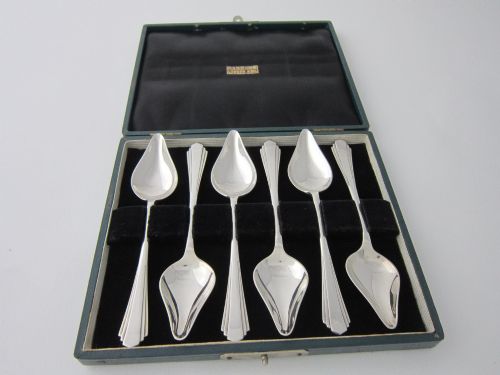
Several items retain their original fitted cases, proving that even in wartime the fortyish desk required a dedicated home.
What varies in quality
The standard of craftsmanship depends largely on the precision of the mechanical hinges, the crispness of engine-turned surface engraving, and the structural integrity of internal fittings. Superior examples maintain tight lid closures and retain undamaged enamel or lacquer work without chipping.
Maker reputation and verifiable hallmarks from prominent silversmiths heavily influence the standing of an object. Pieces complete with original fitted presentation boxes or retaining pristine interior linings demonstrate superior preservation from the period.
William Adams Ltd·St. Medard·Cooper Brothers and Sons
The 1940s Silver Case Glossary
- Sterling silver
- An alloy consisting of 92.5 percent silver by mass and 7.5 percent other metals, usually copper. This composition provides the necessary durability for functional cases while maintaining a bright metallic lustre.
- Hallmark
- A series of official marks stamped onto precious metal items in the United Kingdom. These symbols indicate the maker, the silver standard, the assay office, and the year of manufacture.
- Art Deco
- A design style characterised by sleek geometric shapes, stylised motifs, and streamlined forms. This aesthetic dominated decorative arts during the period preceding and during the 1940s.
- Enamel
- A glassy substance fused to the surface of metal through firing for decoration. In these cases, coloured enamel provides vibrant contrast against polished sterling silver.
- Assay office
- An official organisation charged with testing the purity of precious metals and applying statutory hallmarks. Birmingham and Sheffield offices are commonly represented on items from this decade.
1940s Silver Case: Frequently Asked Questions
What were 1940s silver cases used for?
These items served practical daily functions for carrying personal commodities such as cigarettes, visiting cards, or small valuables. Their robust metal construction protected contents from damage while offering an outward display of personal style.
Over time, many of these containers transitioned from utilitarian pocket accessories to decorative tabletop objects and collector pieces displayed within domestic interiors.
How do I identify a 1940s silver case?
Identification relies primarily on examining the stamped hallmarks and date letters located on the interior or rim of the metal body. British pieces typically feature specific date ciphers corresponding to the George VI era during the 1940s decade.
Stylistic cues also help determine the period, as these items frequently incorporate geometric Art Deco motifs combined with mid-century manufacturing methods typical of European silversmiths.
Are these cases suitable for daily use?
Many of these containers remain robust enough for regular handling, provided the hinges and clasps function securely. The durable sterling silver structure protects internal items effectively during normal transport.
Users should consider the delicate nature of applied decorative elements such as enamel or lacquer when choosing to carry these pieces on a regular basis.
How should I clean a silver case?
Maintenance requires a soft microfiber cloth and specialised silver polish formulated to remove tarnish without abrading the metal surface. Gentle application preserves the crispness of engine-turned engravings and stamped hallmarks.
Special care must be taken around enamel, lacquer, or leather interiors to avoid exposing these sensitive non-metal materials to liquid cleaners and harsh polishing agents.