



1930s Wooden Coffee Table
A 1930s wooden coffee table brings the distinctive geometric lines and warm tones of early twentieth-century design directly into a sitting room.
1930s Wooden Coffee Table
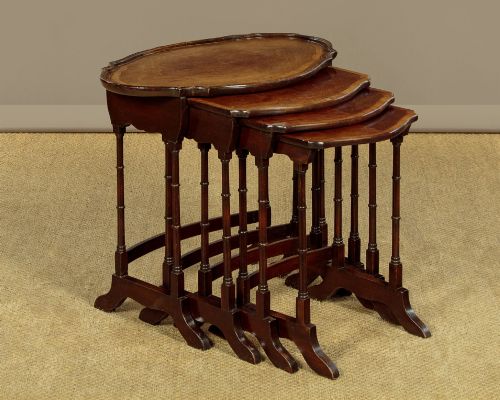
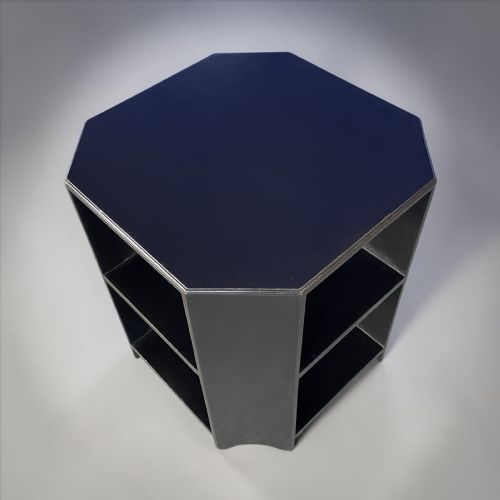
When searching for a 1930s wooden coffee table, a buyer encounters low occasional furniture shaped by the Art Deco movement, Swedish Grace sensibilities, and traditional British workshop practices. The forms range from standard low coffee tables and tiered surfaces to nests of tables, octagonal side tables, and serving trays designed for modern entertaining.
The versions met most frequently on this page combine functional surfaces with the characteristic architectural geometry of the period. Makers of the era utilised native and exotic timbers to create pieces that served both domestic convenience and contemporary decorative taste.
How they were made
Cabinet makers of this period constructed tables using solid and veneered timbers such as oak, walnut, mahogany, satinwood, birch, elm, and macassar ebony. Selected woods were chosen specifically for their pronounced grain patterns, providing natural decoration through figured walnut or blonde oak surfaces.
Metal elements in chrome and steel occasionally appear alongside wood, reflecting the modernist industrial influences entering domestic interior design during the decade. Ebonised wood treatments and carved detailing further distinguish the surface finishes applied by period craftsmen.
1930s Wooden Coffee Table Retail Price Guide 2026
Typical asking prices for 1930s wooden coffee table among the pieces listed under this phrase on Sellingantiques today, from the lower quarter to the upper quarter. They describe what is for sale here now, not the wider market.
The listings show a strong presence of Art Deco design alongside traditional 1930s and Swedish Grace styles, executed in oak, walnut, and mahogany.
What varies in quality
The standard of a 1930s wooden coffee table rests primarily on the selection of timber veneers and the precision of the underlying joinery. Superior examples display carefully matched grain patterns across the top surface, ensuring visual harmony and intentional aesthetic balance.
Design attribution also separates standard commercial production from elevated studio work. Pieces associated with established retailers like Heal's or distinct continental traditions demonstrate a higher level of proportion, material selection, and refined finishing.
Heal's
The 1930s Wooden Coffee Table Glossary
- Art Deco
- A design style characterised by sleek geometric shapes, stylised motifs, and streamlined forms that dominated decorative arts during the 1930s. It influenced everything from architecture to small occasional tables.
- Nest of tables
- A set of graduated tables designed to fit neatly one beneath another when not in use. This space-saving form gained immense popularity in British homes during the interwar period.
- Veneer
- A thin slice of figured wood applied over a stable secondary timber base. This technique allowed cabinet makers to display expensive or decorative grains across large tabletops without structural warping.
- Ebonised wood
- Timber treated with a dark finish to imitate expensive ebony wood. The process creates a solid black surface that highlights contrasting geometric forms in Art Deco furniture.
- Swedish Grace
- A refined neoclassical style originating in Sweden during the 1920s that evolved into streamlined modernism. It valued understated elegance, subtle carving, and high-quality natural materials.
1930s Wooden Coffee Table: Frequently Asked Questions
What defines a 1930s coffee table?
These tables are defined by low profiles, geometric forms, and the influence of Art Deco and Swedish Grace design movements. They reflect a shift towards informal living and modern domestic spaces.
Makers utilised woods like oak, walnut, and mahogany, often pairing them with ebonised finishes, chrome details, or contrasting veneers.
Are nest of tables practical?
A nest of tables offers exceptional versatility for modern living by providing extra surfaces when entertaining that tuck away neatly when space is required. They were a staple of interwar interior design.
Their tiered or graduating structure allows them to sit compactly in a corner or beside a sofa without cluttering the room.
How do I identify Art Deco style?
Art Deco pieces display clean lines, symmetry, and architectural shapes rather than ornate historical revival ornamentation. Look for stepped profiles and striking wood grain arrangements.
Materials like chrome and Macassar ebony often reinforce this distinct modernist aesthetic.
How do I care for wooden tables?
Period wood surfaces require gentle maintenance using soft cloths and appropriate wax or polish to preserve the original finish. Avoid placing them in direct sunlight or near heat sources to prevent timber drying out.
Coasters should be used to protect vintage polishes and delicate veneer surfaces from moisture rings.