



1930s Storage Unit
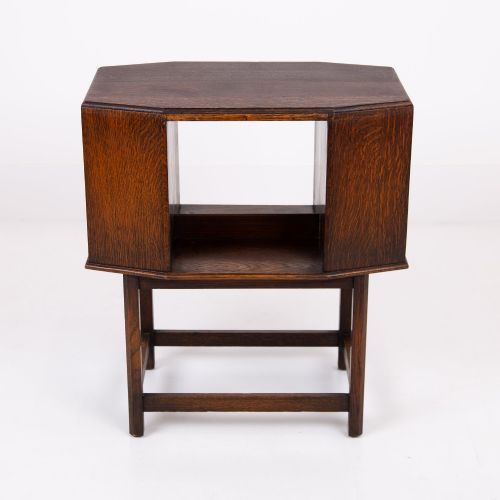
These 1930s storage unit pieces deliver practical domestic organisation through period craftsmanship, combining robust timber construction with clean modernist lines.
1930s Storage Unit
A 1930s storage unit encompasses a variety of functional furniture forms designed during the interwar period, ranging from domestic bookcases and cabinets to institutional cupboards. Buyers searching for a 1930s storage unit typically encounter practical timber pieces intended for libraries, offices, and living spaces.
How they were made
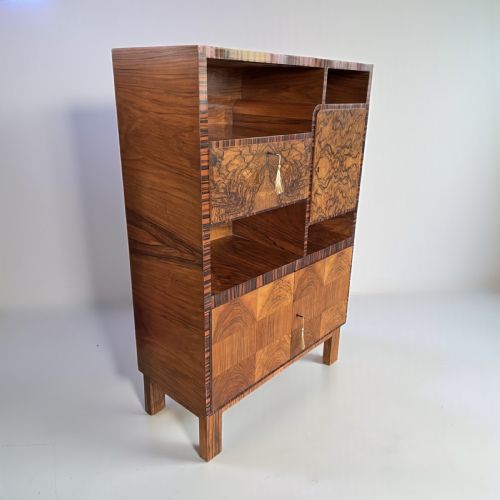
Construction relies predominantly on solid oak, walnut, and mahogany, often enhanced with selected veneers such as walnut veneer or rosewood to create striking grain patterns on drawer fronts and cabinet doors. Secondary timbers like pine appear in internal partitions and drawer linings.
Functional mechanisms define pieces like office filing cabinets, which utilise tambour fronts for smooth operation, whilst hardware incorporates cast brass handles and hinges that complement the geometric forms of the era.
1930s Storage Unit Retail Price Guide 2026
Typical asking prices for 1930s storage unit among the pieces listed under this phrase on Sellingantiques today, from the lower quarter to the upper quarter. They describe what is for sale here now, not the wider market.
Materials recorded across the inventory include oak, walnut, mahogany, rosewood, brass, and pine.
What varies in quality
Quality in these storage pieces rests on the selection of timber and the precision of the joinery, particularly where veneers meet solid wood framing. Superior examples display careful book-matching of grain and robust internal construction designed for heavy institutional or domestic use.
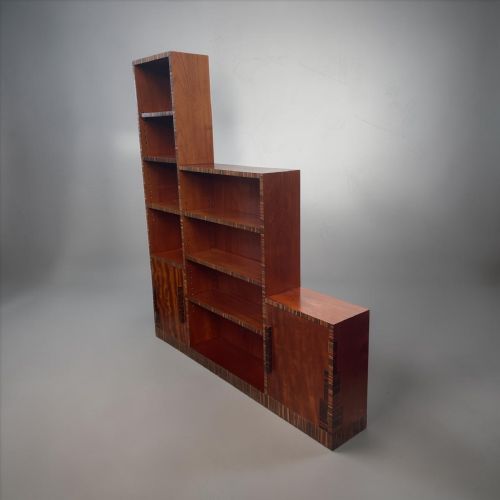
The sophistication of the design also separates standard utility pieces from high-style Art Deco items, where stepped profiles and specialist metalwork elevate the object beyond simple storage.
The 1930s Storage Unit Glossary
- Tambour
- A flexible sliding door made from narrow strips of wood glued to a canvas backing, commonly found on office filing cabinets of the period.
- Tallboy
- A tall piece of furniture combining wardrobe or cupboard storage with lower drawers, maximising vertical capacity in compact rooms.
- Veneer
- A thin layer of decorative hardwood applied to a stable secondary timber base to create patterned surfaces without excessive weight or cost.
- Art Deco
- A dominant design style of the interwar period characterised by geometric symmetry, stepped forms, and streamlined modernism.
1930s Storage Unit: Frequently Asked Questions
How do I identify Art Deco storage?
Art Deco pieces display geometric lines, stepped profiles, and contrasting wood veneers that emphasise modernism.
They often omit traditional moulding in favour of clean curves and smooth, uninterrupted surfaces.
Where were these cabinets used?
Original locations ranged from domestic living rooms and studies to institutional settings like schools and offices.
Institutional pieces often carry specific markings or robust builds suited for heavy daily administration.
Are tambour doors durable?
Tambour fronts rely on closely aligned wooden slats running in tracks to save space by eliminating swinging doors.
Proper maintenance keeps the fabric backing and wooden runners operating smoothly during everyday retrieval of documents.