




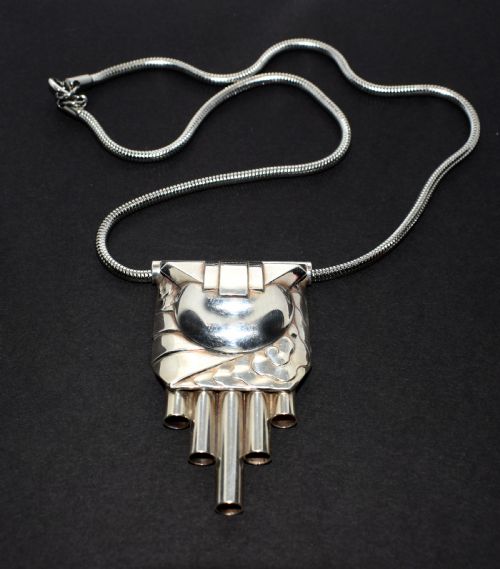
1930s Silver Necklace
A 1930s silver necklace brings unmistakable geometric flair and striking industrial materials to the neckline, offering collectors a wearable piece of interwar design.
1930s Silver Necklace
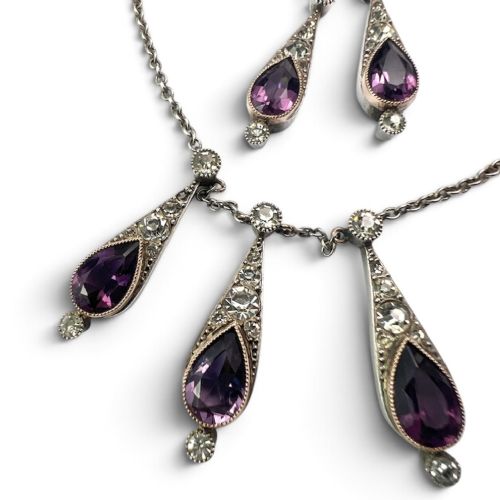
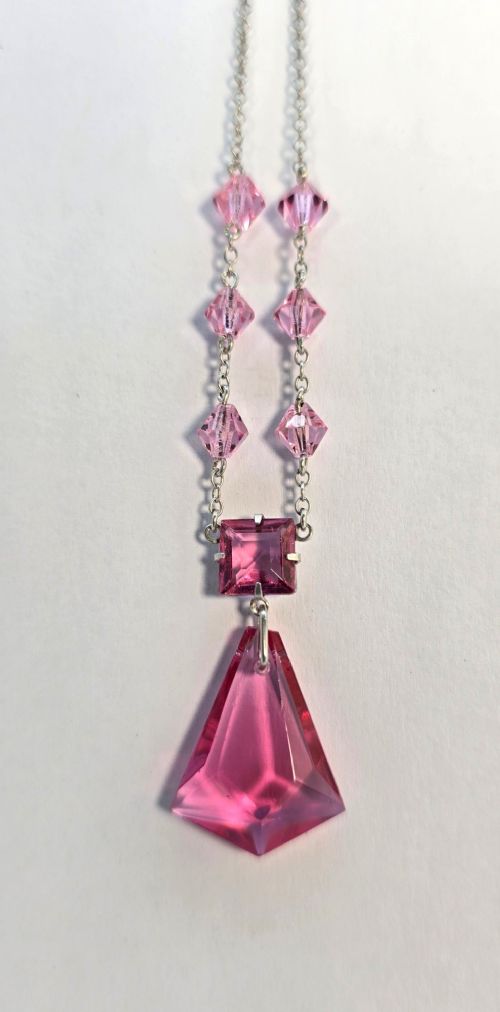
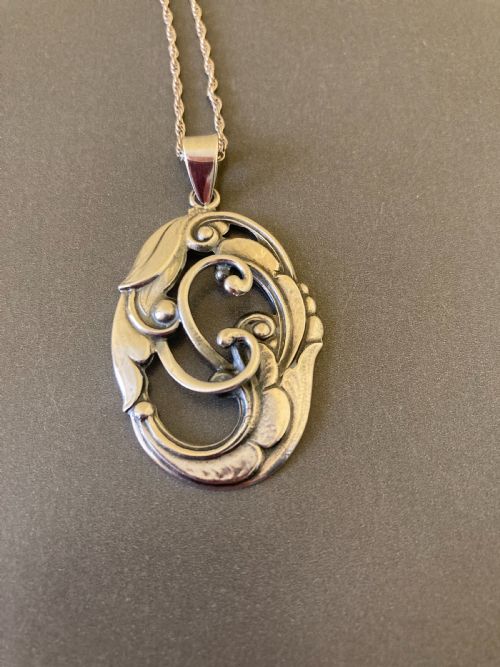
A 1930s silver necklace delivers the bold geometry and clean lines characteristic of the period, often translating architectural motifs into wearable ornaments. When you search for this phrase, you encounter pieces that range from delicate crystal drops to assertive modernist statements.
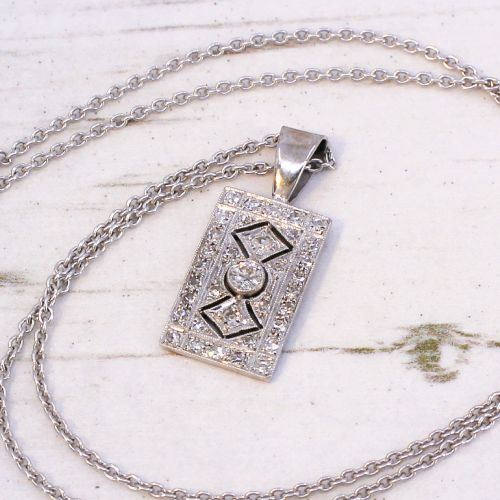
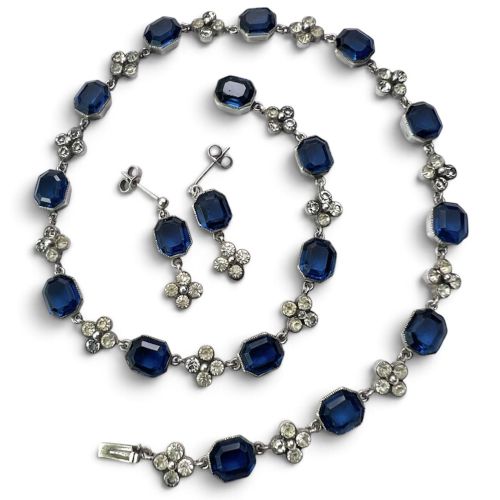
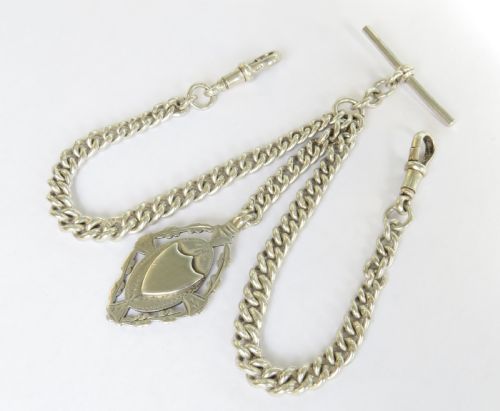
The most frequent examples on this page embody the Art Deco aesthetic, utilising silver alongside materials like paste glass, diamonds, and enamel. Alongside necklaces, you find related forms such as pendants, watch chains, and complete jewellery sets.
While the core of the selection centres on the 1930 decade, the stylistic reach extends slightly into surrounding years with pieces from 1920, the 1940s, and the nineteenth century. These variations reflect the gradual evolution and enduring appeal of modernist design principles across different workshops.
Distinctions in quality
Quality in these pieces rests upon the precision of the metalwork and the integration of components, distinguishing hand-finished assemblies from mass-produced items. The crispness of geometric lines and the secure seating of stones or paste glass indicate the level of care taken during fabrication.
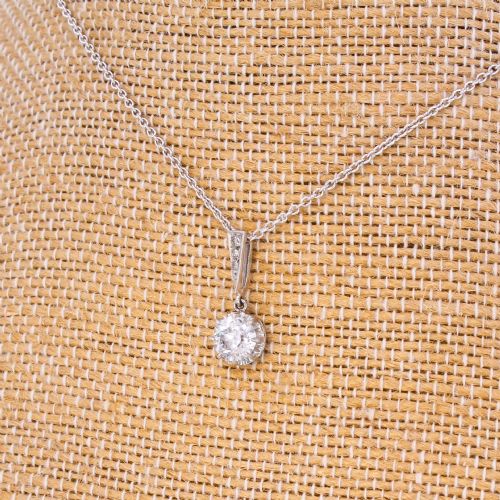
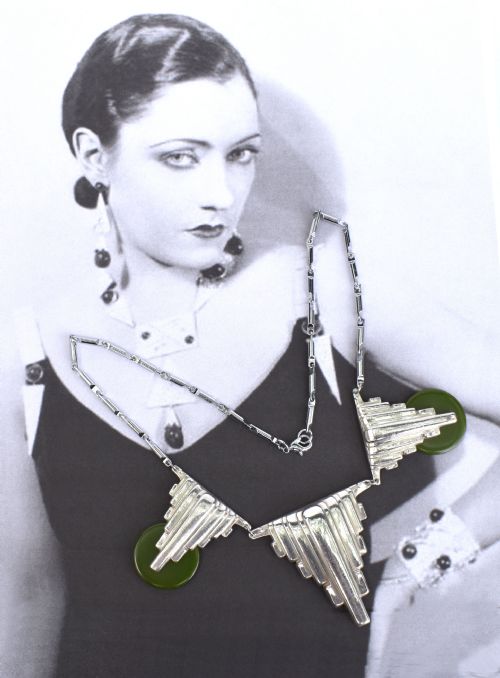
The choice of materials also shapes the standing of a piece, with platinum and old-cut diamonds occupying the upper tier of refinement. Conversely, clever utilisation of chrome, galalith, or bakelite demonstrates innovative design ambition rather than mere economic substitution.
Early plastics like bakelite and galalith gave interwar designers permission to wear primary colours with serious metallic geometry.
Jakob Bengel
The 1930s Silver Necklace Glossary
- Art Deco
- A design style characterised by sleek geometric shapes, streamlined forms, and a rejection of traditional floral motifs. It dominated decorative arts throughout the interwar period.
- Paste glass
- Hand-cut and polished glass used to imitate gemstones with high optical clarity and brilliance. It was widely employed in period jewellery for vivid colour.
- Old-cut diamond
- A vintage diamond cutting style featuring a small table, high crown, and large culet, designed to catch candlelight and early electric illumination. These stones possess a distinctive softer sparkle compared to modern brilliant cuts.
- Galalith
- An early semi-synthetic plastic derived from casein and formaldehyde, prized for its ability to be dyed in vibrant colours and polished to a smooth finish. It appears frequently in modernist jewellery of the period.
- Platinum
- A dense, ductile precious metal prized for its strength and naturally white lustre. It securely held diamonds and intricate filigree work without requiring plating.
1930s Silver Necklace: Frequently Asked Questions
How do I identify a true 1930s piece?
Look for characteristic geometric motifs, symmetry, and material combinations typical of the interwar period, such as chrome paired with coloured plastics or paste glass.
Examine the construction methods and clasps, as these often reveal the manufacturing techniques and technological limits of the decade.
Can I wear these necklaces daily?
Most silver and metal pieces withstand regular wear if handled with reasonable care, though items containing delicate paste glass or enamel require extra caution.
Store them separately in lined boxes to prevent scratching and avoid exposing vintage plastics to harsh chemicals or direct heat.
What is the difference between Art Deco and Modernist styles here?
Art Deco designs often emphasise luxurious symmetry, stylised motifs, and decorative gemstone arrangements.
Modernist pieces lean further into industrial aesthetics, celebrating raw metals, exposed mechanical links, and functional forms influenced by machine age design.
Are watch chains wearable as necklaces?
Double watch chains and fobs originally served a functional purpose for pocket watches, but their length and substantial links make them suitable for wearing around the neck.
They offer a distinct, heavier silhouette that reflects period tailoring and accessory use.