



1930s Silver Flatware
These pieces of 1930s silver flatware bring geometric elegance and solid sterling or plate to the modern table.
1930s Silver Flatware
When you search for 1930s silver flatware, you are looking at functional dining implements that range from individual teaspoons to large complete canteens. The items on this page span the 1930 period, covering George V, George VI, and Art Deco designs.
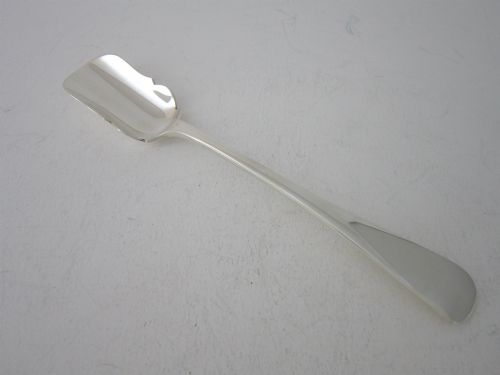
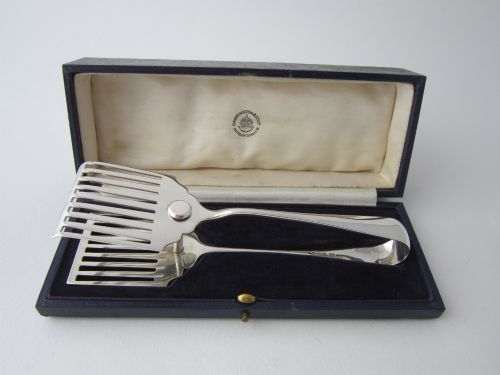
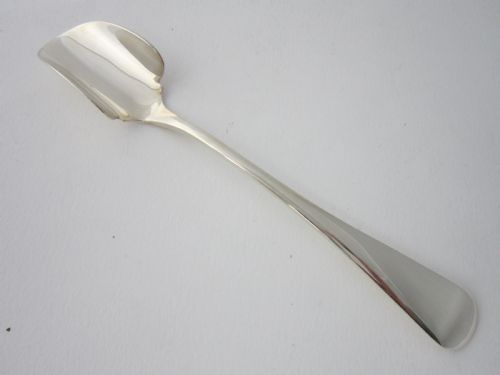
You will encounter specialised serving tools alongside standard cutlery. Examples include asparagus tongs, stilton scoops, seafood picks, and grapefruit spoons, reflecting the formal dining habits of the decade.
Sets frequently appear cased in fitted boxes lined with velvet, silk, baize, or oak. These housing materials protect the silver plate and sterling pieces when not in active service on the dining table.
Materials and construction
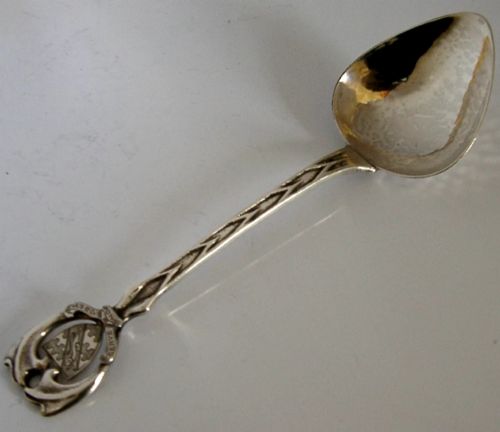
Makers utilised sterling silver and silver plate as the primary metals for these implements. Enamel and silver gilt were frequently added to teaspoons and serving pieces to introduce striking blocks of colour.
Silversmiths employed techniques typical of the Art Deco style, shaping handles with clean geometric lines and stepped motifs. Canteens of cutlery required substantial manufacturing effort to house over a hundred matching pieces securely.
1930s Silver Flatware Retail Price Guide 2026
Typical asking prices for 1930s silver flatware among the pieces listed under this phrase on Sellingantiques today, from the lower quarter to the upper quarter. They describe what is for sale here now, not the wider market.
Object forms span large multi-piece canteens, individual teaspoons, and specialised serving tongs.
Assessing quality
Quality rests heavily on the weight of the silver and the crispness of the decorative details. Substantial gauge sterling silver holds its shape and polish far better over decades of use than thinner plated alternatives.
The integrity of applied materials such as enamel dictates overall standard. Intact, unchipped enamel work on decorative teaspoons elevates the piece above standard utilitarian cutlery.
CONNELL·Suckling Ltd.
The 1930s Silver Flatware Glossary
- Sterling silver
- A standard alloy consisting of ninety-two point five percent silver and seven point five percent other metals, usually copper. This composition provides the durability required for daily dining cutlery.
- Silver plate
- A base metal coated with a thin layer of silver through electroplating. This method offered a bright metallic finish at a lower cost than solid sterling.
- Silver gilt
- Sterling silver that has been coated with a thin layer of gold on the surface. This technique imparts a rich golden sheen, often seen on decorative spoons.
- Canteen
- A fitted wooden box or chest designed to store a full service of cutlery securely. These often feature internal divisions lined with baize or velvet to prevent scratching.
- Stilton scoop
- A specialised utensil featuring a long, curved blade designed for digging into hard cheeses. The handle is typically fashioned from sterling silver in traditional patterns like Old English.
1930s Silver Flatware: Frequently Asked Questions
What is included in a canteen?
A canteen houses a comprehensive set of cutlery designed for multiple diners and courses. These large collections contain dozens of matching pieces organised neatly within a fitted wooden box.
Such sets provide a unified table service rather than an assortment of mismatched utensils. They represent the more formal dining arrangements typical of the era.
How do I care for silver?
Sterling silver and silver plate require regular gentle washing in warm soapy water using a soft cloth. Avoid harsh scrubbing brushes or abrasive cleaning compounds that can scratch the polished metal surfaces.
Store pieces in dry environments, ideally within lined wooden canteens or specialised pouches. Proper storage slows down natural tarnish accumulation and protects delicate enamelled details.
Were these items used daily?
Many smaller items like teaspoons and basic forks saw regular daily use in households. Specialised tools such as asparagus tongs and grapefruit spoons were reserved for specific courses or formal occasions.
Cased sets were often kept strictly for entertaining guests. Consequently, these cased items frequently survive in cleaner condition with minimal wear.
How do I identify Art Deco pieces?
Art Deco flatware displays distinct stylistic traits such as geometric patterns, stepped handles, and clean symmetrical lines. These designs break away from earlier florid Victorian and Edwardian ornamentation.
Enamel accents and vibrant colour pairings further signal the modern aesthetic of the nineteen thirties. The overall form prioritises sleek silhouettes and functional elegance.